

Bali waste management explained: 3.4 thousand tonnes a day, 71% unmanaged
Bali produced 3.4 thousand tonnes of waste daily in 2025, while 71% remained unmanaged. The figures explain why source-based waste separation has become a provincial priority.
Editor: Mursyid Sonsang
· 2 min read
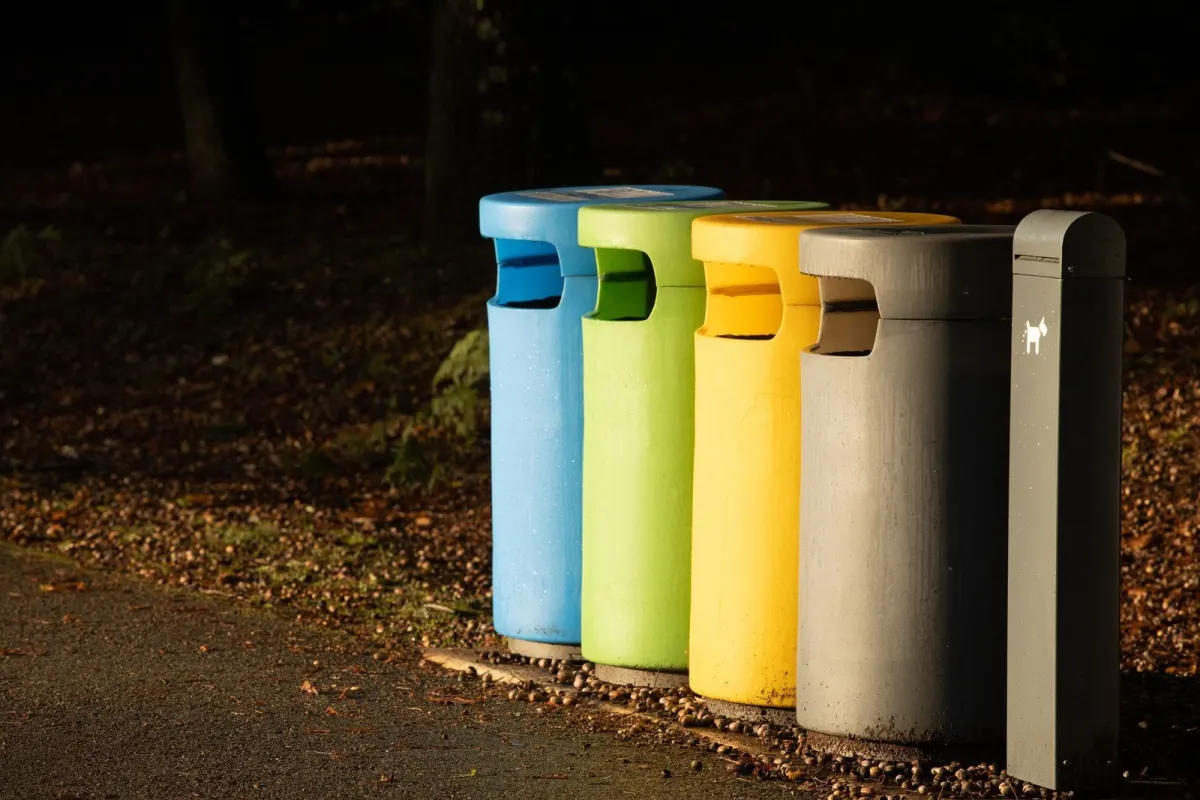
Bali generated 3.4 thousand tonnes of waste a day in 2025, but only 29%, or 916 tonnes a day, was managed, according to the Bali provincial environmental agency, 2025. The remaining 71%, or about 2.5 thousand tonnes a day, was unmanaged, leaving waste management as a major environmental and public-service challenge.
How much waste does Bali produce?
The provincial environmental agency reported daily waste generation of 3.4 thousand tonnes in 2025. The figure covers waste arising across Bali, including households, industry, production activities and tourism.
How much of Bali’s waste is managed?
Only 29%, equivalent to 916 tonnes a day, was managed in 2025, according to the Bali provincial environmental agency. About 71%, or around 2.5 thousand tonnes a day, remained unmanaged.
What target was Bali pursuing?
The agency said the managed share was below the annual target of 51.21% in 2025. The comparison shows a gap between the amount of waste generated and the capacity recorded as managed.
How is Bali approaching the problem?
The provincial government’s source-based waste-management system separates organic, inorganic and residual waste. The Bali provincial environmental agency said organic waste is handled at household level, recyclable inorganic waste can go to waste banks, and residual waste is handled through TPS3R and TPST facilities in traditional villages.
Why does this matter for Bali?
Waste is generated not only by residents but also by industry, production and tourism, according to the Bali provincial environmental agency. For an island whose economy and daily activity include substantial tourism, the reported gap between generation and management affects environmental administration across Bali rather than a single locality.
Bali’s official statistics also show the scale of visitor activity: BPS-Statistics Indonesia recorded 697.11 thousand direct foreign-tourist visits in July 2025 and 3.98 million visits cumulatively from January to July 2025. These are visitor counts, not waste estimates, and should not be added to the provincial waste figures.
Sources
Read next
More on this story

Tourism & Hospitality
What Bali’s 2026 tourism arrivals data actually measure
Bali’s official tourism indicators separate foreign arrivals from hotel occupancy, length of stay and domestic travel. Here is what the January 2026 f…
Most read in Explainers & Data

Related