

How much of Bali’s waste is actually managed?
Bali generated 3.4 thousand tonnes of waste daily in 2025, but the provincial environment agency said only 29% was managed, leaving about 2.5 thousand tonnes unmanaged.
By Pandi Muktar
Editor: Mursyid Sonsang
· 2 min read
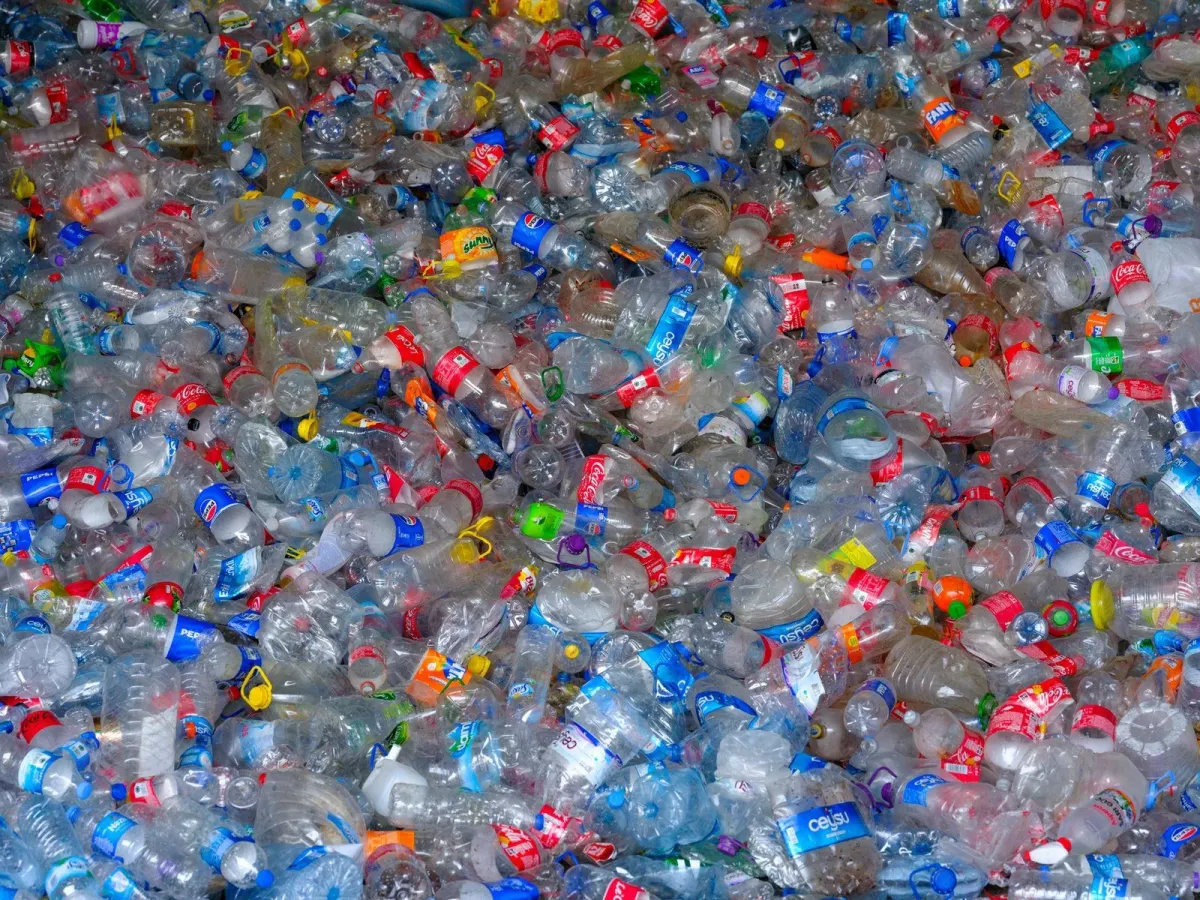
Bali’s waste problem is not simply how much rubbish the island produces, but how much is actually managed. The Bali provincial environment agency reported that daily waste generation reached 3.4 thousand tonnes in 2025, while only 29%, or 916 tonnes per day, was managed; 71%, about 2.5 thousand tonnes per day, remained unmanaged.
How much waste does Bali produce?
According to Bali’s Environment and Forestry Agency, Bali generated 3.4 thousand tonnes of waste per day in 2025. The figure covers daily waste generation across the province, rather than waste from one municipality or landfill.
How much of it is managed?
The same agency said 29% of the daily total was managed, equivalent to 916 tonnes per day, according to its report published on 27 August 2025. That leaves 71%, or about 2.5 thousand tonnes per day, unmanaged.
Why is the management rate important?
The agency compared the 29% management rate with an annual target of 51.21%. The gap shows that the central environmental issue is not only collection, but also the capacity to sort, process and dispose of waste through managed systems.
Does the official data describe every kind of waste?
The reported figures concern daily waste generation and management in Bali. They should not be treated as a separate estimate for plastic, household waste, tourism waste or waste at a particular landfill unless those categories are identified separately by the reporting agency.
What does the wider statistical record provide?
BPS-Statistics Indonesia’s Bali Province in Figures 2025, released on 28 February 2025, is the province’s official statistical publication and includes environmental data. Its publication date precedes the environment agency’s 2025 waste-management update, so the agency’s figures are the more recent source for the waste totals used here.
Sources
Read next
More on this story

Business & Investment
Bali economy growth: how much did tourism contribute in 2025?
Bali’s economy grew 5.82% in 2025 as tourism remained a major activity, with official data recording 16.3 million international and domestic visitor t…
Latest in Environment
Related