
How much of East Nusa Tenggara has access to electricity?
NTT’s electricity picture depends on the measure: village access was 93.32% in May 2020, while household electrification was 86.26%, showing why Flores and other islands need both metrics.
Editor: Mursyid Sonsang
· 2 min read
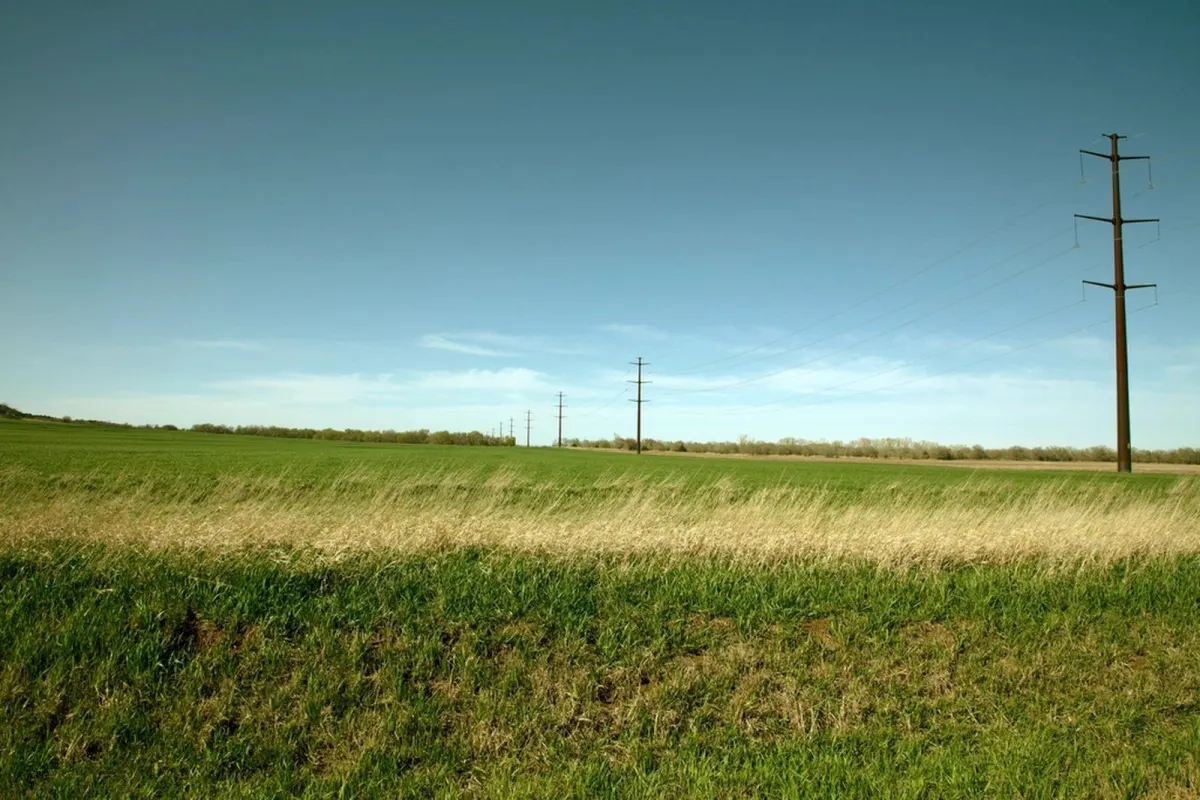
Electricity access in East Nusa Tenggara is high but not universal, and the figures depend on what is being counted. The Energy Ministry reported that 93.32% of NTT villages had electricity in May 2020, while the province’s electrification ratio was 86.26%; later official tables continue to track village-level access separately from household connections.
What do the official figures measure?
The village electrification figure measures the share of villages with electricity access, while the electrification ratio measures the share of households connected to electricity. They should not be treated as interchangeable: one village can have electricity infrastructure while some households remain unconnected.
What was NTT’s recorded position?
In an Energy Ministry account dated 12 June 2020, the ministry said NTT’s ratio of electrified villages was 93.32% as of May 2020, compared with an electrification ratio of 86.26%. The same account described Tanjung Boleng village in West Manggarai as receiving grid electricity for 64 family heads.
Why does the gap matter in Flores and other islands?
The difference between village coverage and household connection is relevant across an island province such as NTT, where a village may include dispersed settlements and difficult-to-reach areas. The distinction helps explain why the presence of a grid in a village does not automatically mean every household has a connection.
Are newer village-level data available?
BPS NTT maintains a statistical table on the number of villages according to the existence of electricity users, and BPS also publishes village-potential statistics for the province. Those datasets provide a basis for checking village-level conditions, but they use a different measure from the household electrification ratio reported by the Energy Ministry.
What is the wider national context?
The Energy Ministry’s 2025 energy and economic statistics handbook lists 1,195 electricity-generating units in East Nusa Tenggara across its reported categories. That figure describes generating infrastructure, not the number of connected households or the percentage of villages with electricity.
Sources
Read next
More on this story

East Indonesia Desk
Bali Tourism Board Promotes Cross-Destination Travel Corridor
Bali Tourism Board Chairman IB Agung Partha Adnyana proposed linking Bali with Lombok, Sumbawa, Labuan Bajo and Flores through coordinated regional to…
Most read in East Indonesia Desk
Today’s top story
Related