
Bali Assembly Reviews Ceremony Schedules and Sacred-Site Protection
The Majelis Desa Adat Bali discussed nine agenda items in Denpasar, including ceremony scheduling and customary-village boundary, sacred-area, environmental and cultural documentation.
By Mukmin John
Editor: Mursyid Sonsang
· 2 min read
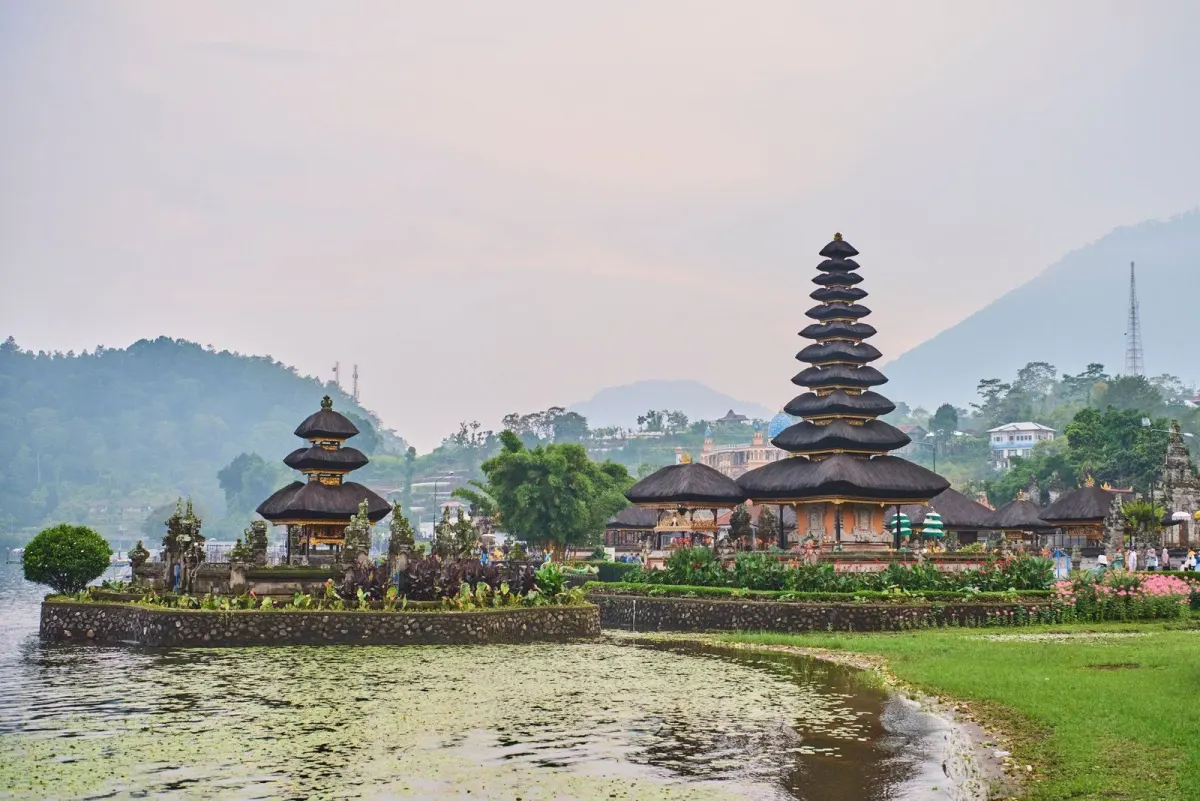
Denpasar — The Pasamuhan Agung VI of the Majelis Desa Adat (MDA) Bali discussed nine strategic agenda items at Wiswa Sabha Utama, the Bali Governor’s Office, on Friday, Nov. 27, 2026. The agenda included coordinating piodalan schedules at temples and documenting customary-village boundaries, spatial arrangements, sacred areas, environmental responsibilities, cultural identity and village history.
The forum’s proposals concerned the administration and protection of Bali’s customary villages. One item covered the MDA Bali work program for 2027. Other discussions addressed customary law, village credit institutions, customary-village education, cultural preservation and the organization of the pecalang, Bali’s customary security organization.
Why the nine agenda items matter to Bali’s customary villages
For residents and visitors, the discussion signals that customary villages remain central to the organization of ceremonies, sacred places and local cultural identity. Coordination of piodalan schedules is intended to make ceremonies more orderly and reduce difficulties for customary-village residents and administrators. The proposals on boundaries, sacred areas and the environment also connect customary governance with the protection of places that carry religious or cultural significance.
The forum additionally discussed guidance for kapamangkuan and associations of customary-village temple priests, as well as rules for customary resolutions covering land arrangements and village territory. Customary villages were encouraged to help protect the environment, control pollution, manage waste at its source and safeguard areas regarded as sacred and culturally important.
A separate agenda concerned guidance for customary institutions and the Sasana Pacalang in customary villages. The nine-item program therefore combined planning for 2027 with rules on customary administration, ceremony coordination, cultural preservation and territorial protection.
Sources
Read next
More on this story

Travel Advisory
BMKG Forecasts Rain Across Bali on Nov. 27
BMKG forecasts light to moderate rain in several parts of Bali on Friday, Nov. 27, 2026, with thunderstorms possible in some locations. Conditions var…
Most read in Culture & Ceremony
Related