

Bali Calendar Marks Nov. 14 for Auspicious and Restricted Activities
Bali’s calendar marks Nov. 14, 2026, as Saniscara Keliwon Landep. It favors some construction, business and ceremonial activities while discouraging certain rites and ironwork.
By Mukmin John
Editor: Mursyid Sonsang
· 2 min read
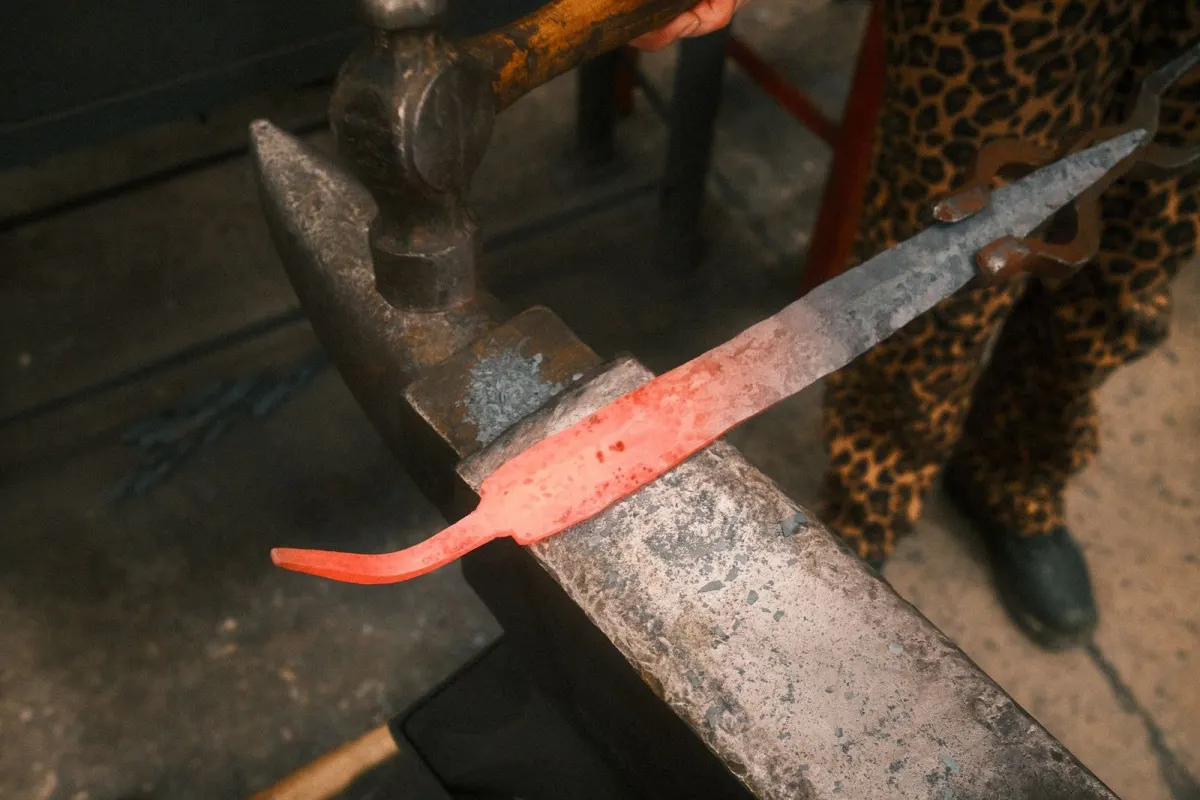
Denpasar — Bali’s calendar identifies Saniscara Keliwon Landep on Saturday, Nov. 14, 2026, as a day associated with both auspicious and restricted activities across Bali. Reports published by Detik Bali and Radar Bali say the calendar marks the day as suitable for building, seeking a livelihood, starting a business, making regulations and holding certain ceremonies.
The calendar also lists activities considered unsuitable under particular day classifications. These include making iron equipment, hunting and conducting some human and funeral rites. The classifications are part of ala ayuning dewasa, a Balinese calendar system used to assess whether a day is favorable or unfavorable for customary, religious and practical activities.
For foreign residents and visitors, the listings are cultural and religious guidance rather than a general legal prohibition. A visitor may encounter ceremonies or offerings connected with Tumpek Landep, a sacred observance involving sharp tools, weapons and other objects. The reported restrictions concern how Balinese Hindu communities traditionally assess activities on that date; they do not state that ordinary travel or commercial activity is barred.
Why the Nov. 14 calendar matters in Bali
Reports describe Saniscara Keliwon Landep as a date when communities may perform ceremonies for sharp tools or weapons and seek blessings for their continued usefulness. The day is also associated with practical decisions: some classifications favor construction, making jukung and starting work involving fire, while others discourage particular activities.
The calendar’s recommendations are divided into named categories. Amertayoga is described as favorable for building, earning a livelihood and starting a business. Dauh Ayu is favorable for making awig-awig, regulations or laws, as well as for building. Subacara is favorable for ceremonies, planning, making regulations, appointing officers and beginning training or study.
Other classifications impose limits. Pepedan is described as favorable for opening new agricultural land but unfavorable for making equipment from iron. Salah Wadi is unfavorable for Manusa Yadnya rites, including weddings, tooth-filing ceremonies and haircuts, and for Pitra Yadnya rites such as burials and cremation ceremonies.
The reports do not state any further public restrictions or changes after Nov. 14, 2026.
Sources
Read next
More on this story

Explainers & Data
Bali Assessment Places Buleleng First and Badung Last
Bali’s 2026 assessment put the average score across its nine regencies and municipalities at 77,27. Buleleng ranked highest and Badung lowest.
Most read in Explainers & Data

Today’s top story

Related