

Bali Officials Address Environmental Pressures After Fodor’s No List
Bali tourism officials defended the island’s safety after Fodor’s Travel placed it on the 2027 No List, which cited waste-burning pollution, land conversion and water pressure.
By Pandi Muktar
Editor: Mursyid Sonsang
· 2 min read
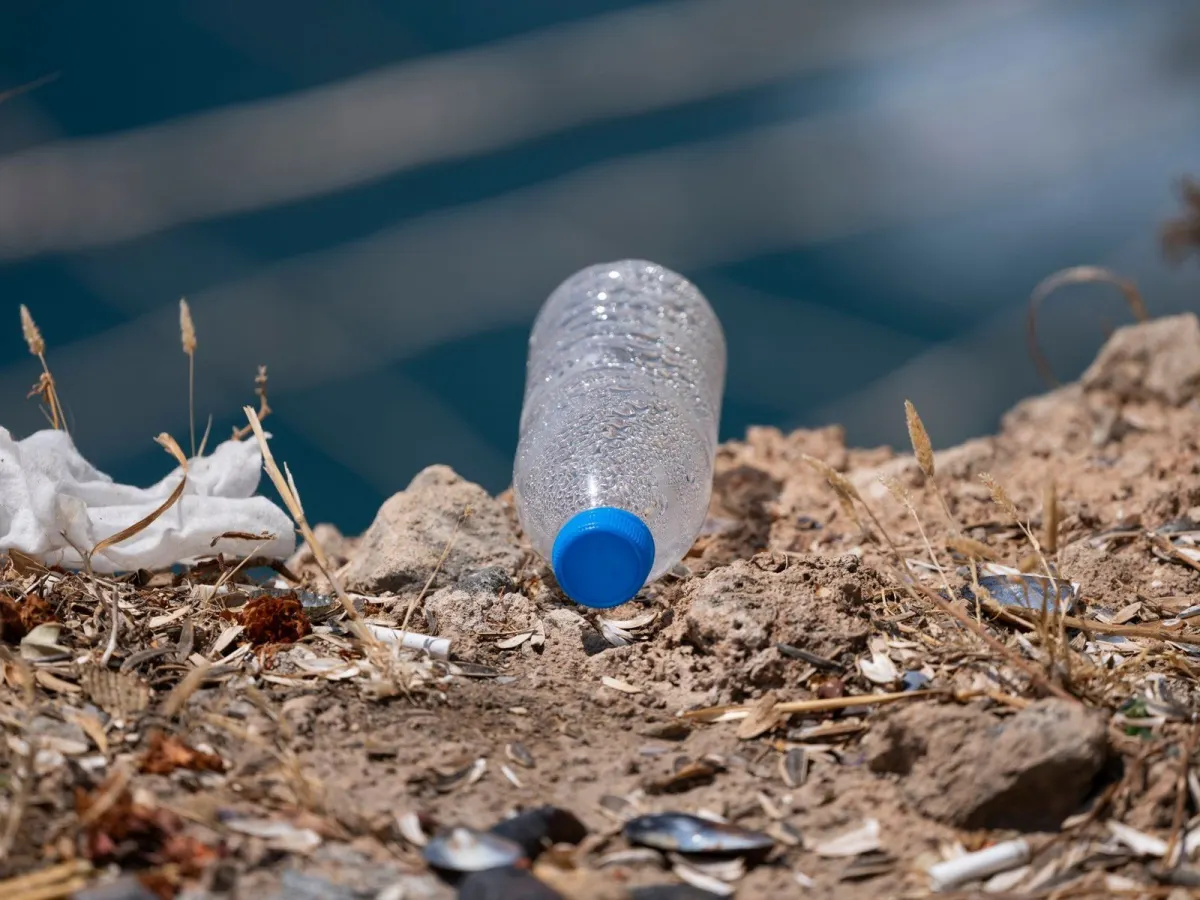
Denpasar — Bali tourism officials on Nov. 19 said the island remained safe and suitable for visitors after Fodor’s Travel included Bali in its 2027 No List, citing environmental pressures linked to tourism.
The publication highlighted air pollution associated with waste burning, the loss of agricultural land through conversion and pressure on water resources. Bali Tourism Office Head I Wayan Sumarajaya said the provincial government and tourism businesses had begun addressing environmental conditions, waste management, traffic congestion and destination sustainability.
Why it matters to visitors and residents
For foreign visitors, the assessment does not impose a travel ban or change entry rules. It signals that tourism growth is placing greater demands on Bali’s waste systems, land and water supplies. Those pressures affect the places visitors use and the communities living around them, particularly where waste collection and disposal remain difficult.
Fodor’s 2027 list covers eight destinations that it says face pressures associated with excessive tourism development. In Bali, the concerns described by the publication extend beyond litter: open burning contributes to air pollution, agricultural land is being reduced as land is converted, and tourism is increasing competition for water resources.
Mr. Sumarajaya said criticism from abroad should be considered openly and proportionately. He maintained that Bali remained one of the world’s leading tourism destinations while acknowledging that environmental management and the sustainability of tourism required continued improvement alongside growth.
Sources
Read next
More on this story

Explainers & Data
Bali Assessment Places Buleleng First and Badung Last
Bali’s 2026 assessment put the average score across its nine regencies and municipalities at 77,27. Buleleng ranked highest and Badung lowest.
Most read in Environment

Related