

How Bali’s waste system is measured: marine debris, targets and official data
Bali’s waste figures measure different parts of the system. An estimated 6,000 tonnes of marine debris arrived in 2024–2025, while authorities set a 51% management target for 2025.
By Mukmin John
Editor: Mursyid Sonsang
· 2 min read
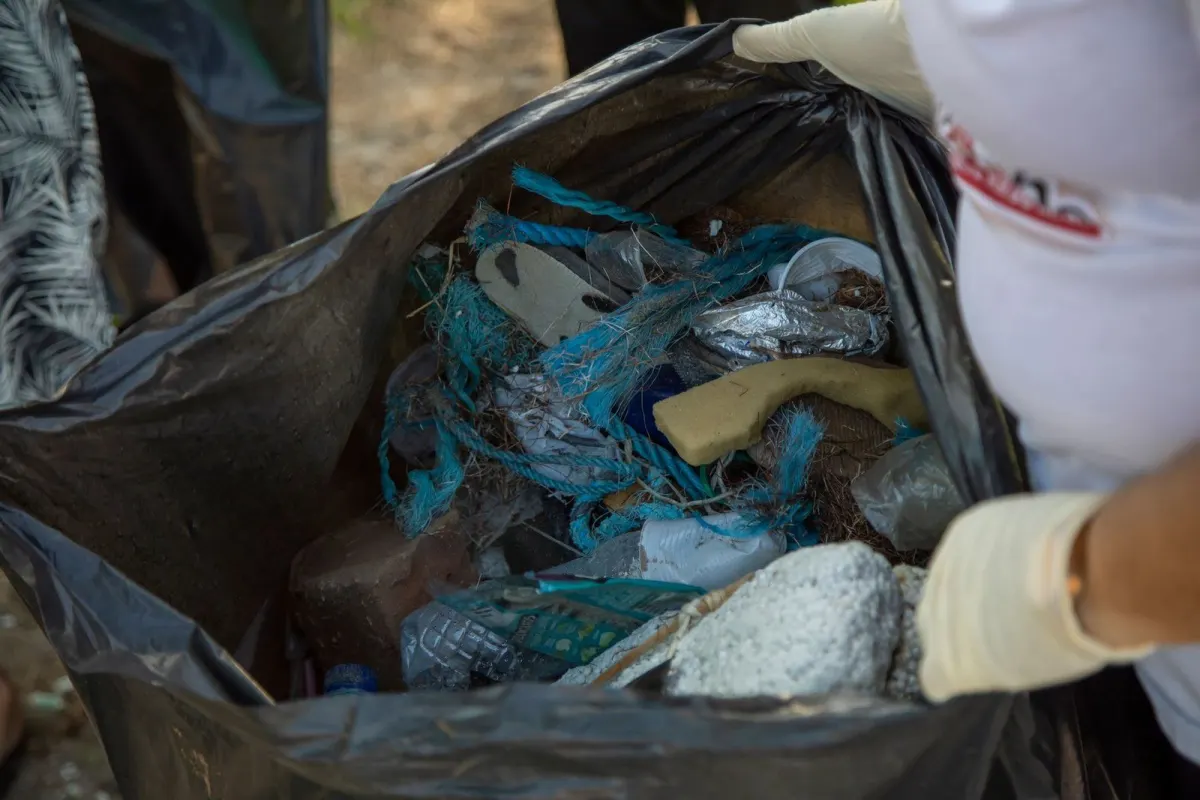
Bali’s waste system combines local collection and treatment with national monitoring, but the official figures describe different stages rather than one single island-wide total. A national environment dashboard reports Bali’s 2024–2025 marine-waste arrivals at an estimated 6,000 tonnes, while government coordination documents set a 51% waste-management target for the end of 2025.
Why is Bali’s waste system difficult to measure?
Waste data can refer to different points in the chain: waste generated, collected, reduced, treated or arriving on beaches. The Ministry of Environment and Forestry’s national waste dashboard presents these as separate indicators, so they should not be added together.
Bali’s provincial data portal separately lists sectoral information, including population, employment and the movement of people and goods through transport nodes. That structure indicates that Bali’s official data are distributed across subject-specific datasets rather than a single public dashboard.
How much marine waste reaches Bali?
During 2024–2025, marine debris arriving in Bali was estimated at 6,000 tonnes, according to the Bali-Nusra Environmental Pollution Control Centre under the environment ministry. The figure concerns incoming marine waste, not all waste produced by households, businesses and visitors on the island.
Because the estimate covers a specific waste stream and period, it cannot be used as Bali’s total annual waste generation or as a measure of how much waste is successfully managed.
What target did authorities set for waste management?
In September 2025, the Bali-Nusra Environmental Pollution Control Centre said Bali was targeting 51% waste management by the end of 2025. The statement followed a coordination meeting involving the provincial government and district- and city-level environmental agencies.
The target is a management objective, not a result for all of 2025. It therefore should not be read as proof that 51% was achieved unless an official outcome is separately reported.
Where can readers find the official data?
The provincial Satu Data portal provides Bali’s sectoral datasets, while the environment ministry’s national systems provide waste-management and facility information. These sources are useful together because they distinguish general provincial statistics from waste-specific administrative reporting.
For practical interpretation, readers should check three details in any Bali waste figure: the waste stream counted, the period covered and whether the number describes a target, estimate, input or treated volume.
Sources
Read next
More on this story

Business & Investment
Bali economy growth: how much did tourism contribute in 2025?
Bali’s economy grew 5.82% in 2025 as tourism remained a major activity, with official data recording 16.3 million international and domestic visitor t…
Most read in Explainers & Data

Related