

Indonesia’s Legal Test for Ferry Seaworthiness
Indonesia’s Shipping Law and Transport Ministry rules treat ferry seaworthiness as a multi‑factor legal condition, covering ship safety, crew competence, passenger health, environmental protection, legality, security and safety‑management…
By Mukmin John
Editor: Mursyid Sonsang
· Event date: · 4 min read
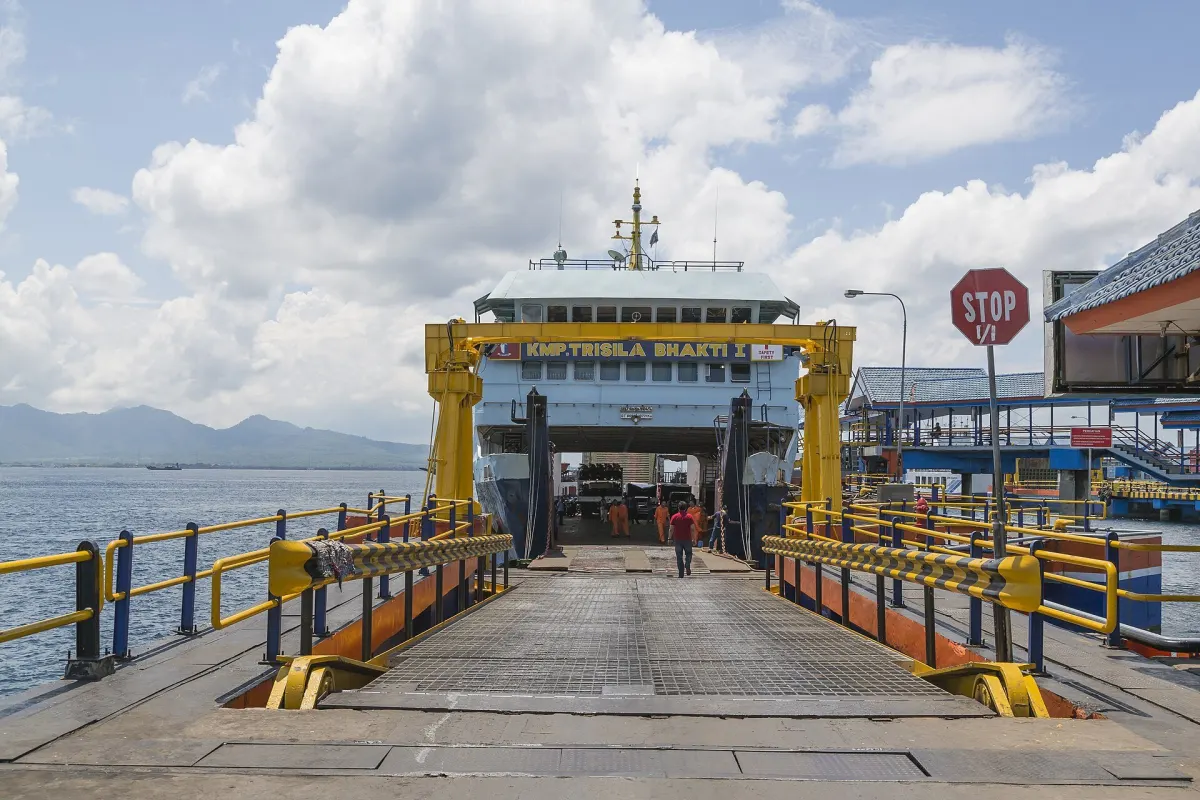
Jakarta — — Indonesian passenger-ferry operators are responsible for more than keeping a vessel afloat: national law treats seaworthiness as a multi‑factor test that spans technical safety, crew competence, environmental protection, passenger health, ship legality and safety management before a vessel sails in Indonesian waters, according to the Shipping Law and Ministry of Transportation Regulation PM 12/2022.
The framework matters for passengers, regulators and journalists assessing ferry operations because a ship’s seaworthiness is documented through certificates and ship papers, not only through visible hull condition or crowding at ports.
Legal definition of seaworthiness
Indonesia’s Shipping Law defines seaworthiness as the condition of a ship sailing in certain waters that meets requirements in eight areas: ship safety, prevention of water pollution from ships, manning, ship loading lines and loading, welfare of the crew and health of passengers, legal status of the ship, safety management and prevention of pollution from ships, and ship security management.
In practical terms, these requirements reach both the vessel’s construction and equipment and the way it is operated. Ship safety covers material, construction, machinery and electrical systems, stability, layout, lifesaving appliances and radio-electronic equipment, all verified through inspection and testing.
When a vessel meets ship‑safety requirements, the Minister of Transportation issues a safety certificate under Article 126 of the Shipping Law.
The eight seaworthiness elements in the Shipping Law are:
- Ship safety
- Prevention of water pollution from ships
- Manning
- Ship loading lines and loading
- Welfare of the crew and health of passengers
- Legal status of the ship
- Safety management and prevention of pollution from ships
- Ship security management
These categories mean a ferry cannot be assessed solely by its visible hull, engine or passenger capacity. The legal test also concerns the people operating it, the way cargo and passengers are loaded, and the management systems used to control safety and security risks.
Duties of owners, operators and captains
For Indonesian‑flagged high‑speed vessels, Ministry of Transportation Regulation PM 12/2022 on the Seaworthiness of High‑Speed Ships sets detailed obligations on owners and operators.
The regulation requires owners or operators to implement and maintain safety‑management provisions, ensure that safety, firefighting, navigation, communications and weather‑forecasting equipment are available and ready for use, and assign crew members qualified for the vessel type and designated route.
PM 12/2022 also limits permitted routes and operating conditions. High‑speed vessels must operate so that they remain close enough to shelter to support rescue in emergencies, and their design and operation must meet technical requirements on materials, construction, layout, stability, machinery, electrical systems, equipment and radio electronics.
The Shipping Law imposes separate operational duties on captains. A captain must ensure the vessel is seaworthy and report its seaworthiness to the harbor master, and has the right to refuse to sail if the ship does not meet seaworthiness requirements.
Checks for high‑speed passenger vessels
PM 12/2022 applies to high‑speed ships under the Indonesian flag that meet a speed formula based on displacement and operate in Indonesian or international waters.
The regulation defines a high‑speed passenger ship as a high‑speed vessel designed and used to carry more than 12 passengers.
Under PM 12/2022, high‑speed vessels must undergo initial, annual, renewal and additional inspections, depending on the circumstances stated in the regulation.
Inspections form the basis for issuing a High‑Speed Vessel Safety Certificate or endorsing it through the Directorate General of Sea Transportation. The certificate may be issued for a maximum period of five years, together with an operating permit.
The regulation also requires that crew members on high‑speed vessels be familiarized and certified, including through qualifications known as Brevet A and Brevet B under Indonesian maritime training rules.
A current certificate alone may not answer every operational question. Assessing a particular ferry operation requires examining route and weather limits, the readiness of emergency and communications equipment, crew qualifications, and whether inspection endorsements and operating permits remain valid.
Context for Indonesian ferry operations
The Shipping Law establishes the general framework for seaworthiness and safety certification, including Article 117 on safety and security of water transport, Article 124 on ship safety, Article 126 on safety certificates and provisions on the captain’s duties.
PM 12/2022 builds on that framework for Indonesian‑flagged high‑speed ships, setting general requirements, technical safety standards, crew requirements, inspection regimes and certificate validity periods.
Together, the law and regulation make clear that seaworthiness for Indonesian ferries is a comprehensive legal condition, not only a question of whether a vessel can float or engines can run.
Sources
- Anggraeni and Partners via LinkedIn explainer "Seaworthiness of Passenger Ships in Indonesia"
- Law No. 17 of 2008 on Shipping (ILO NatLex English version)
- Peraturan Menteri Perhubungan Nomor PM 12 Tahun 2022 (Peraturan.go.id summary)
- Pasal.id summary of PM 12 Tahun 2022
- JDIH Kemenko Marves explainer on Permenhub PM 12/2022
- Anggraeni and Partners
Next story
Indonesia’s Rp10,000 e-Meterai: what Bali contracts need to know
Indonesia’s e-Meterai electronic stamp duty is charged at Rp10,000 per dutiable document, including many electronic agreements.
Related