

Karangasem Officials Investigate Pink Water in Bebayu River
Karangasem environmental officials collected three water samples after the Bebayu River turned pink and developed an ammonia- or sulfur-like smell. Residents were told to avoid using the water pending laboratory results.
By Pandi Muktar
Editor: Mursyid Sonsang
· 2 min read
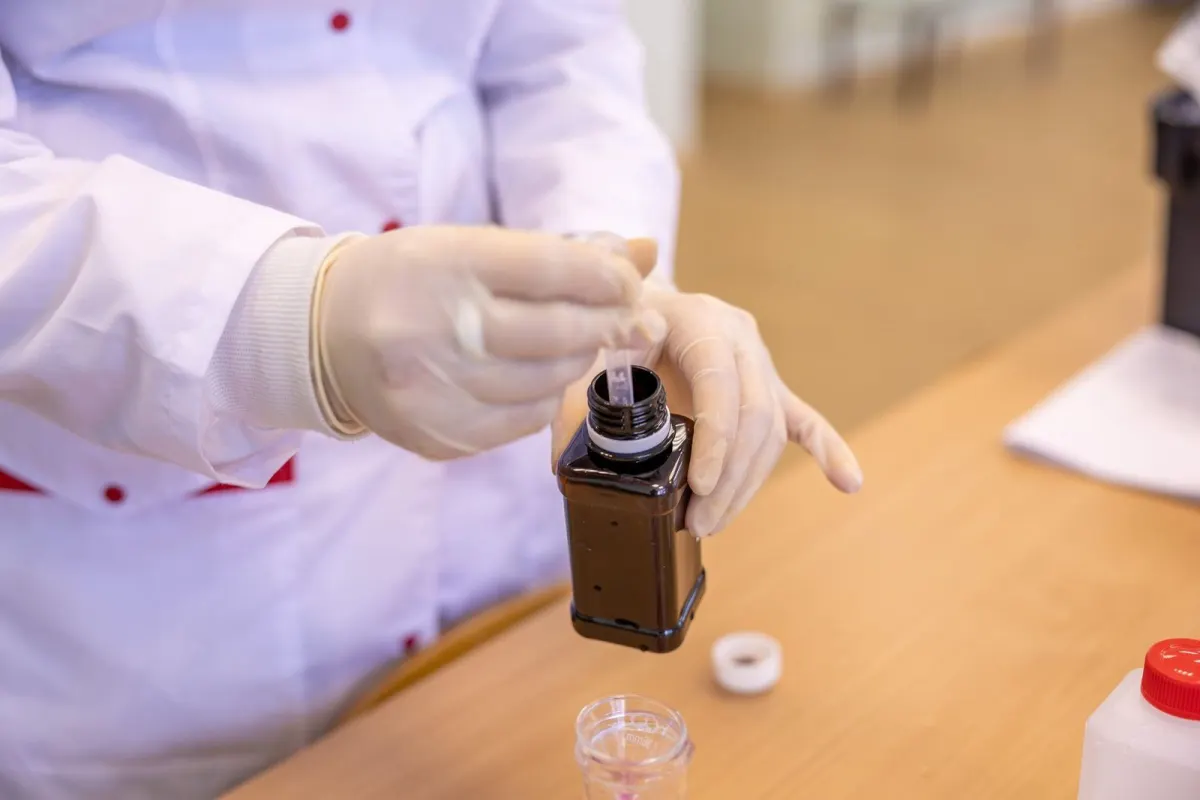
Karangasem — Environmental officials investigated pink, foul-smelling water in the Bebayu River at Labasari on Nov. 16, 2026, collecting three samples and urging residents not to use the river for household needs or irrigation until laboratory testing is complete.
The Karangasem Regency Environmental Agency, known locally as DLH, found strongly scented water resembling ammonia and sulfur during an inspection carried out with Karangasem police. Reports identified the affected area near Bebayu Beach, in Labasari Village, Abang District, where a stagnant section of the river had turned a deep pink.
The agency collected water from three locations: two upstream points to serve as comparisons and one at the main discolored site. The samples were to be examined at the Karangasem Environmental Laboratory. Officials had not established the cause when the samples were taken.
Why the Bebayu River investigation matters
For residents and visitors in the area, the warning means the water should not be used for domestic purposes or irrigation while the testing is pending. The reported odor does not by itself establish the presence of a particular hazardous substance, and officials had not confirmed whether the discoloration resulted from pollution, natural processes or nearby activity.
Initial observations pointed to stagnant water and the possible decomposition of organic material on the riverbed. That process can produce hydrogen sulfide, a gas associated with a rotten-egg smell, but the explanation remained provisional. Officials also identified shrimp-farming activity beside the river and were examining whether discharged pond water might be connected to the phenomenon.
Police and environmental officials stressed that the suspected link to shrimp-farm discharge had not been scientifically proven. Laboratory analysis was required before the precise cause could be determined.
Sources
Read next
More on this story

Explainers & Data
Bali Assessment Places Buleleng First and Badung Last
Bali’s 2026 assessment put the average score across its nine regencies and municipalities at 77,27. Buleleng ranked highest and Badung lowest.
Most read in Environment
Related