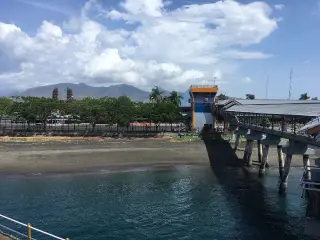

ASDP Uses Weather-Based Open–Close System on Java–Bali Ferries
ASDP is using dynamic, weather-driven opening and closing on the Ketapang–Gilimanuk ferry route, coordinating with BMKG and port authorities and activating a Bulusan buffer zone to manage traffic when strong winds and high waves make…
Editor: Mursyid Sonsang
· Event date: · 4 min read
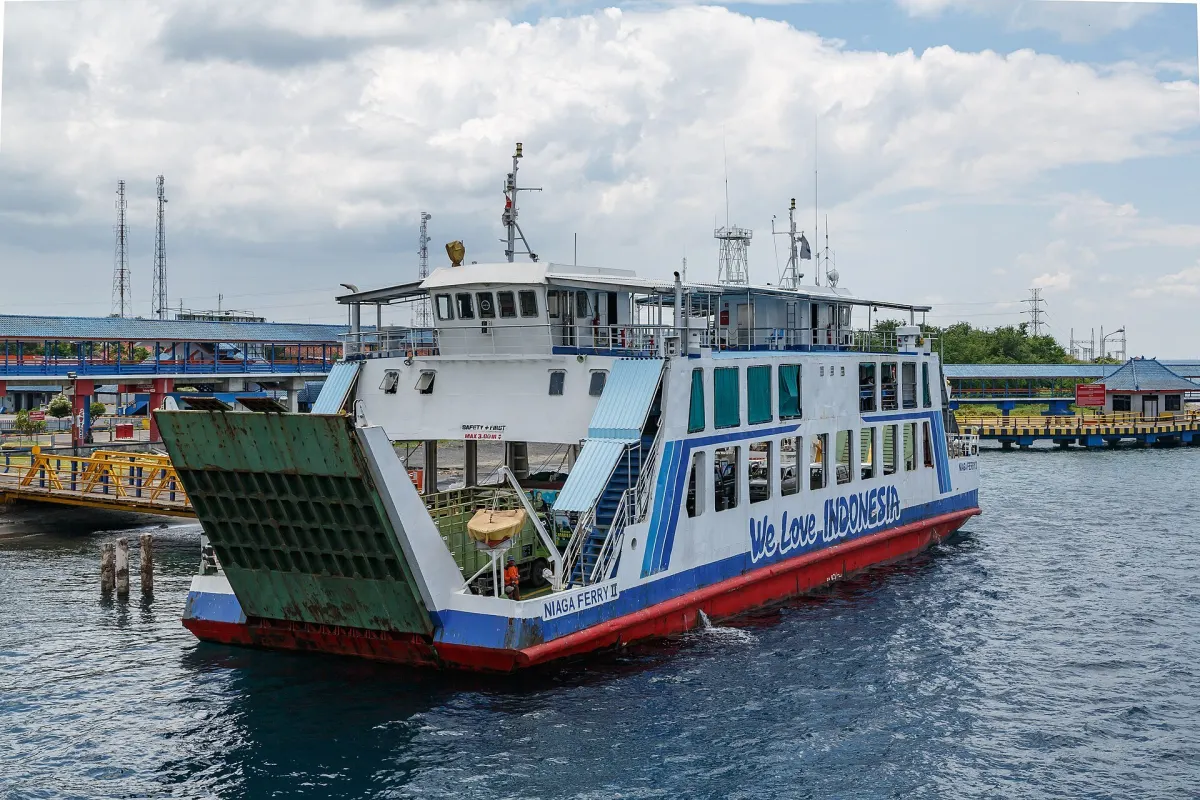
Banyuwangi — — PT ASDP Indonesia Ferry is applying temporary, weather-based opening and closing on the Ketapang–Gilimanuk crossing in the Bali Strait, with operations adjusted when strong winds, high waves and currents are judged unsafe by maritime authorities, according to statements from ASDP’s Ketapang branch and regional media reports.
The route links Ketapang Port in Banyuwangi, East Java, with Gilimanuk Port in western Bali. General Manager ASDP Ketapang, Arief Eko Kurniansjah, said operational decisions are based on maritime weather recommendations from the Meteorology, Climatology, and Geophysics Agency (BMKG) and coordination with the Harbor Master (KSOP Tanjung Wangi), the East Java Class II Land Transportation Management Agency (BPTD) and the police, and are not taken unilaterally by the operator.
Media reports and an ASDP release in late July 2026 describe a period of extreme weather in the Bali Strait, with strong winds and high waves leading to temporary postponement and “open–close” operation of the Ketapang–Gilimanuk ferries. ASDP framed these measures as risk mitigation to ensure all sailings meet maritime safety standards, with services reopened once wind speed and wave height return to safe limits as determined by regulators.
Weather-related adjustments and staging
Regional outlets covering the July weather episode reported that ferry operations could be delayed or briefly halted when conditions did not meet safety thresholds, with openings resumed as soon as sea and wind conditions improved. The reports do not specify numerical limits for wind speed or wave height that automatically trigger a closure.
To prevent heavy congestion inside the port area during these weather-related adjustments, ASDP activated the Bulusan area near Ketapang as a buffer zone for temporary staging of vehicles, particularly logistics trucks waiting to cross. According to ASDP and local coverage, Bulusan is used to hold vehicles outside the main terminal while conditions are unsafe, with additional vessels deployed once operations return to normal to help clear accumulated traffic.
On the Bali side, a separate report on 9 September 2026 described tighter security and traffic management at Gilimanuk and Padangbai ports after flight closures increased passenger volumes on land and sea routes. In that report, the Bali regional water police said decisions to open or close crossings in severe weather rest with the Harbor Master or the Directorate General of Sea Transportation, acting on official instructions.
Impact on travelers
ASDP and regional media have warned that during periods of extreme weather, a ferry ticket or planned road itinerary may not guarantee immediate departure, because sailings can be postponed or temporarily stopped when maritime safety is at risk. Travelers and logistics operators are advised to actively monitor BMKG’s marine forecasts and check with ASDP or port authorities before heading to Ketapang or Gilimanuk, and to allow extra time for possible staging at Bulusan or other buffer areas.
In guidance issued for these weather events, ASDP noted that in force majeure situations caused by extreme weather, tickets already purchased remain valid and can be used after services resume. However, available reports do not detail specific refund policies, ticket transfers or guaranteed schedule changes for individual passengers beyond this statement.
Continuing, situational risk management
ASDP’s Ketapang branch has described the weather-based opening and closing of the Java–Bali crossing as a continuing, situational risk-control measure rather than a permanent suspension of the route. Operational patterns are adjusted dynamically in response to wind, waves, currents, tides and vessel and berth readiness, with safety treated as the priority and services gradually normalized once marine conditions improve and authorities declare shipping safe.
Subsequent reports in September 2026 show ASDP and regulators using dynamic operating patterns, deploying more vessels and fully using Bulusan and other berths to reduce queues when traffic is heavy, while continuing to adjust sailings to prevailing sea conditions. For travelers, this means that the Ketapang–Gilimanuk ferry service remains available but can be subject to short-notice changes whenever weather or sea state affects safe navigation.
Sources
Next story
Indonesia’s Wider Visa-Free Plan Still Under Review for Bali Travellers
Indonesia is weighing proposals to expand visa-free entry, but recent government and media reports indicate the plan remains under review.
Related