
Bali Calendar Marks Nov. 28 for Sacred and Irrigation Work
Bali’s traditional calendar marks Nov. 28, 2026, as favorable for sacred-place construction, irrigation work and selected Hindu ceremonies, while discouraging some activities.
By Mukmin John
Editor: Mursyid Sonsang
· 2 min read
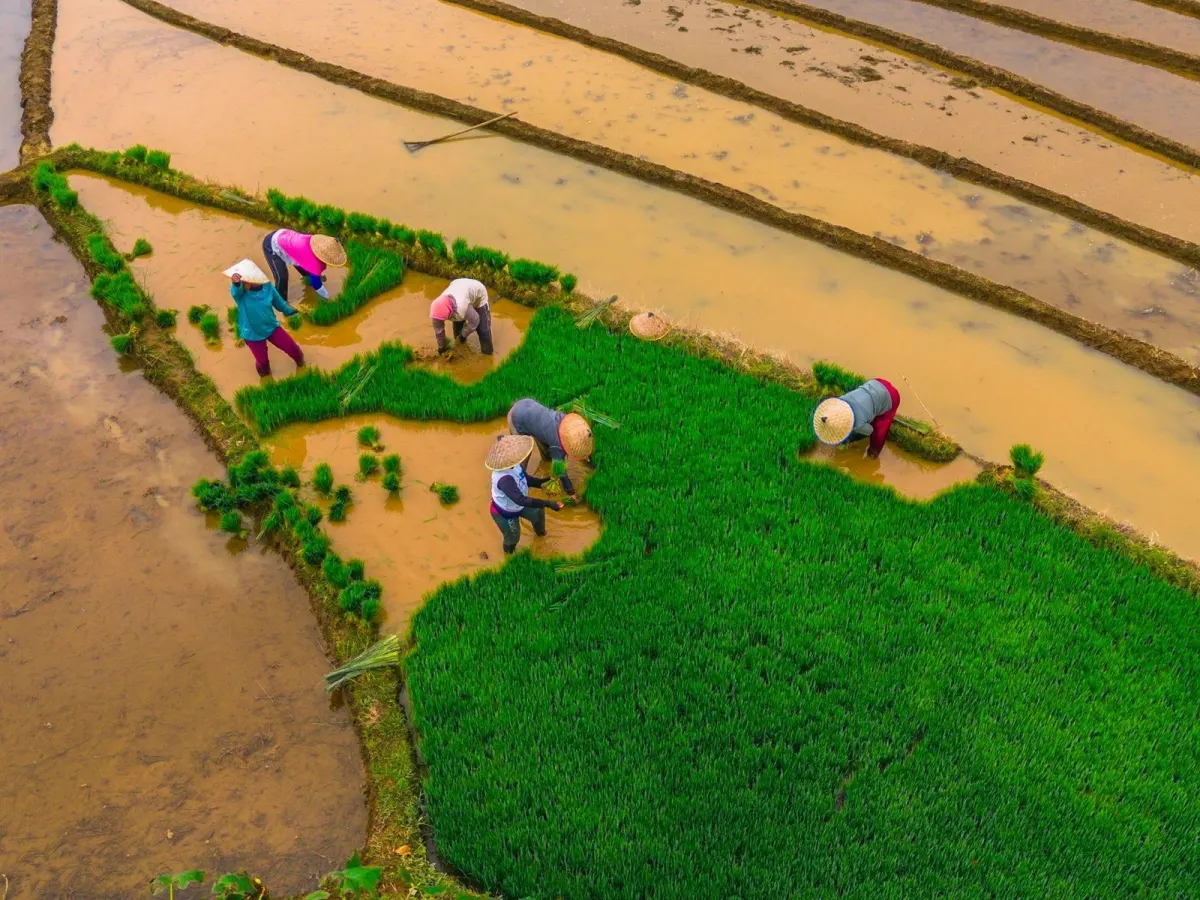
Denpasar — Bali’s traditional ala ayuning dewasa calendar identifies Saturday, 28 November 2026, as a day considered suitable for building sacred places, carrying out irrigation work and holding certain Hindu ceremonies.
The guidance, reported by Bali Post and supported by separate calendar reporting, is a customary interpretation of the day rather than a legal requirement. It draws on Balinese calendar systems and distinguishes activities regarded as favorable from those considered unsuitable.
The entry lists Amerta Dewa as favorable for Panca Yadnya, particularly Dewa Yadnya, as well as for building sacred or worship places and making a granary or kitchen. Another entry, Lebur Awu, describes irrigation construction as favorable while advising against weddings, meetings, building a house or roofing a house. The calendar also identifies work involving fire and communal activity among the day’s favorable uses.
Why the calendar matters to readers in Bali
For a foreign resident or visitor, the practical meaning is cultural: the calendar may help explain why a Balinese household, temple group or village chooses a particular date for a ceremony or construction activity. It does not create a permit, impose a public restriction or override local decisions. Temple ceremonies, customary rules and the interpretation of a day can vary by village, so the calendar entry should be understood as guidance within Balinese Hindu practice.
The date is identified in the reports as Saniscara Wage, wuku Kulantir. The guidance is presented as a traditional assessment of auspicious and inauspicious activities, not as a state regulation. No further official action or deadline is stated in the reports.
Sources
Read next
More on this story

Explainers & Data
Bali Assessment Places Buleleng First and Badung Last
Bali’s 2026 assessment put the average score across its nine regencies and municipalities at 77,27. Buleleng ranked highest and Badung lowest.
Most read in Explainers & Data

Today’s top story

Related