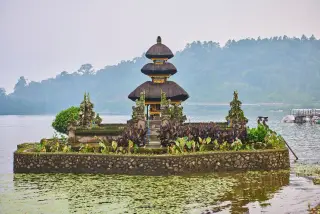

Bali’s tourism growth strains infrastructure and water resources
Bali had received 5.2 million foreign tourists by September 2026, and the governor said arrivals could reach 7.1 million to 7.2 million by year-end. The growth is straining infrastructure and resources.
Editor: Mursyid Sonsang
· 2 min read
Bali — Bali had received 5.2 million foreign tourists by September 2026, while Governor I Wayan Koster said arrivals could reach 7.1 million to 7.2 million by the end of the year. The figures were reported in an article updated on Nov. 28 about the island’s tourism growth and its effects on infrastructure and natural resources.
The increase is unfolding alongside concerns about inadequate infrastructure, uncontrolled development, worsening waste and air-quality problems, and pressure on water supplies. Bali welcomed a record-high 7 million foreign visitors in 2025, while the island’s population was described as around 4.4 million.
Why Bali’s visitor growth matters to travelers
For foreign visitors, the strain is most visible in the systems that support a holiday: roads, waste collection, clean water and the environment around tourism areas. The reporting describes tourism growth as outpacing the island’s physical capacity, raising concerns that congestion, environmental damage and declining service quality could affect Bali’s appeal.
Other reporting described the period’s total as 5.2 million. The Jakarta Post article attributed the year-end projection to Governor Koster, who said the total could reach 7.1 million to 7.2 million foreign visits.
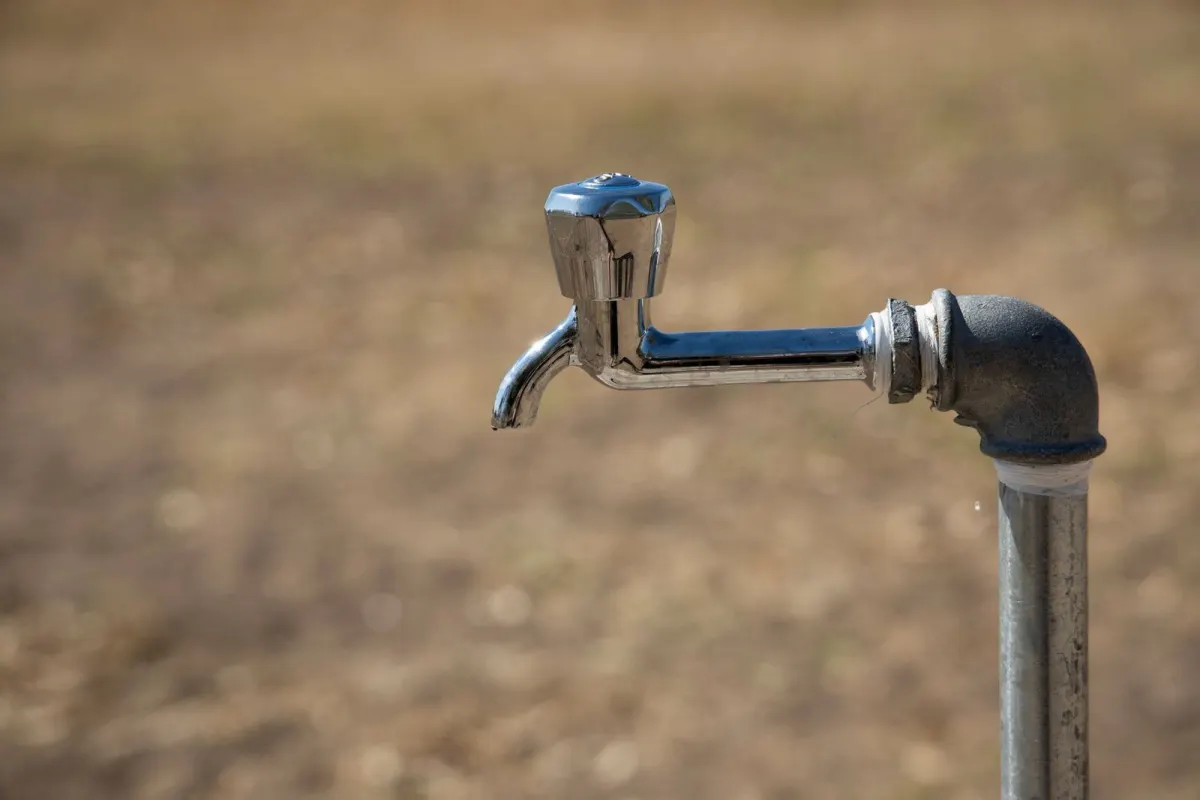
The pressure is not limited to transport. Reporting on Bali’s tourism challenges also identified wastewater, waste management, clean-water supply and electricity as critical infrastructure gaps. Competition for water among tourism businesses, agriculture and households is intensifying as resorts and villas expand.
The island’s tourism economy therefore faces a practical tension: visitor numbers continue to rise, but infrastructure and environmental systems must keep pace if Bali is to preserve the conditions that attract travelers.
Sources
Read next
More on this story

Explainers & Data
Bali Assessment Places Buleleng First and Badung Last
Bali’s 2026 assessment put the average score across its nine regencies and municipalities at 77,27. Buleleng ranked highest and Badung lowest.
Most read in Tourism & Hospitality

Today’s top story

Related