
Buleleng Festival 2026 revives Singaraja’s past with mass dances and dokar rides
Buleleng Festival 2026 ran from 18–23 August in central Singaraja, using the theme Uriping Rasa to revive the feel of the old town through heritage zones, mass Buleleng dances and traditional transport including free horse-drawn cart rides.
By Mukmin John
Editor: Mursyid Sonsang
· Event date: · 4 min read Updated
Singaraja — Buleleng Festival 2026 ran from 18–23 August in the Praja Mandala Singa Ambara Raja area of central Singaraja, presenting three legendary Buleleng dances in planned mass performances under the theme Uriping Rasa.
The regency government described Uriping Rasa as an effort to revive Buleleng’s taste, stories and identity, framing the festival as a “time tunnel” that leads residents and visitors through the atmosphere of Singaraja’s old town with nostalgic food and heritage settings, according to the Buleleng Regency administration. Coverage by detikBali said the concept was designed to bring back the feeling of historic Buleleng through traditional market activities, culinary offerings, archives, storytelling, folk games and outdoor screenings.
Regency statements and local media reports confirmed that the festival was scheduled for six days, from 18 to 23 August 2026, centred on the Praja Mandala Singa Ambara Raja monument area in Singaraja. The programme ran from afternoon into the night, while micro, small and medium enterprises opened food and craft stalls from the morning of the opening day, according to Radio Republik Indonesia (RRI).
Three mass Buleleng dances
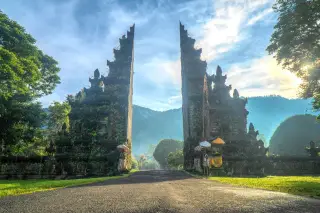
DetikBali reported that three renowned Buleleng works — Trunajaya, Wiranjaya and Palawakya — were programmed as mass dance performances during the festival. The report said the works were chosen as symbols of Buleleng’s cultural heritage and linked them to the artistic legacy of maestro I Gede Manik, a key figure in the development of Buleleng dance.
According to detikBali, dancer Luh Menak, described as Manik’s last student, was scheduled to appear in the mass dance segment alongside later generations of his artistic successors. The number of performers and the detailed timetable for each work were not specified in the available coverage.
Heritage setting and three zones
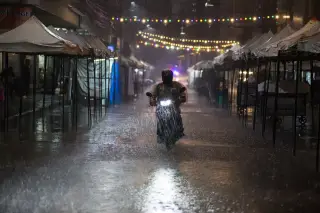
Festival organisers divided the site into three thematic areas. RRI reported that Zone A carried the title “Buleleng Tempo Dulu” and focused on the old-town atmosphere, Zone B was devoted to modern and creative work, and Zone C highlighted sustainable cultural practices rooted in Balinese tradition.
RRI’s published programme for Thursday, 20 August 2026, illustrated the mix of heritage and contemporary content. In Zone A, artists and groups such as Jun Bintang performed, alongside traditional arts ensembles and screenings of Indonesian films including Sang Pencerah and Cut Nyak Dien. Zone B hosted bands and DJ sets, while Zone C presented traditional forms such as Angklung Kebyar, Bondres Dandang Ketekung and a Janger performance involving residents of Buleleng prison, according to RRI’s schedule.
Regency and broadcaster reports described the festival as a platform for local arts and commerce. RRI noted that Bulfest 2026 opened space for local micro, small and medium enterprises to expand their markets and take part in educational activities about business development and product quality. The regency’s briefing similarly emphasised culinary nostalgia, curated food stalls and a broader narrative that connects Singaraja’s past role in trade, administration and culture with current creative industries.
Horse-drawn carts as living heritage
Transport arrangements reflected the old-town concept. DetikBali reported that the Buleleng Transportation Agency prepared two horse-drawn carts, or dokar, as both a heritage attraction and a free transport experience for visitors. Agency head Gede Gunawan Adnyana Putra said the carts were stationed near the entrance to Zone A around Jalan Ngurah Rai and were available for visitors to ride without charge.
According to detikBali, the carts were intended primarily to introduce younger residents and visitors to traditional transport rather than to replace high-capacity public services. Local coverage noted that overall festival security was considered conducive and that the six-day event closed without reported theft cases, according to police statements carried by RRI.
Buleleng officials framed Bulfest 2026 as part of a broader effort to reignite pride in the regency’s historical role as a port and former capital, using mass dance, heritage transport, archives and curated food as tools to reconnect communities with their cultural roots.
Sources
- RRI Singaraja – "Sudah Siap Nonton? Ini Jadwal Pembukaan Bulfest Selasa 18 Agustus 2026"
- Pemkab Buleleng – "Menyusuri Romantisme Singaraja Tempo Dulu: Bulfest 2026 Bangkitkan Kejayaan Kota Tua Lewat Kuliner Nostalgia"
- detikBali – "3 Tarian Legendaris Buleleng Bakal Ditampilkan Massal di Bulfest 2026"
- Balipost
Read next
More on this story
Culture & Ceremony
Seraya Culture Festival to run from 5–7 November in Karangasem
Seraya Culture Festival will run from 5–7 November 2026 in Karangasem, with Gebug Ende performances scheduled daily alongside cultural, recreational a…
Most read in Culture & Ceremony
Today’s top story
Related