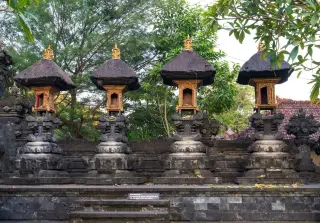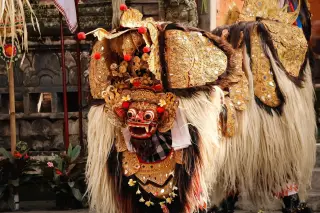

Uluwatu Temple sunset Kecak dance: What the performance means
At Pura Luhur Uluwatu, the sunset Kecak is a Ramayana performance driven by a chanting male chorus, staged beside a sea temple with separate temple and show access.
By Mukmin John
Editor: Mursyid Sonsang
· 3 min read
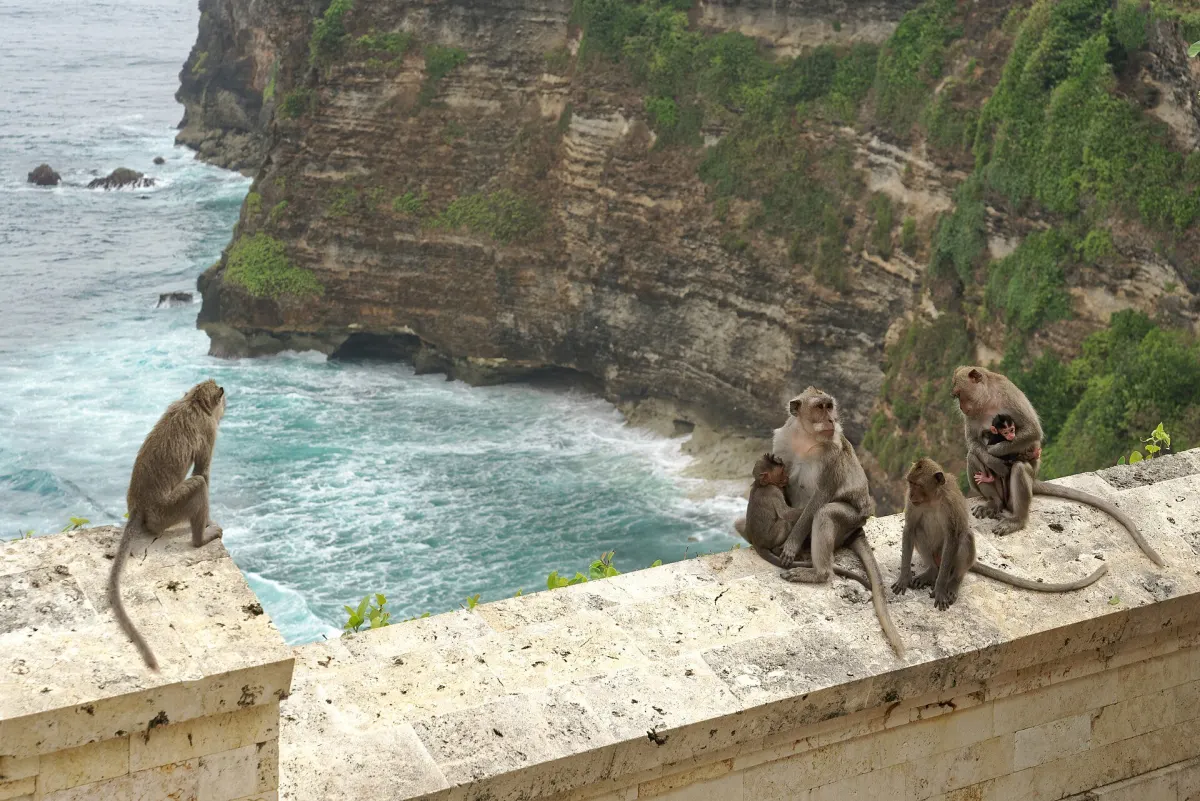
The sunset Kecak dance at Pura Luhur Uluwatu is a staged Balinese performance beside a clifftop temple in south Bali. A circle of male performers creates the music through coordinated chanting while dancers present scenes from the Ramayana, usually ending with a fire sequence as daylight fades over the Indian Ocean.
What is the Uluwatu sunset Kecak dance?
Kecak is a theatrical performance built around the Ramayana, the Hindu epic involving Prince Rama, Sita, the demon king Rahwana and Hanuman, according to the Uluwatu Temple website. Unlike performances accompanied by gamelan, Kecak uses the synchronized voices of a male chorus rather than musical instruments.
The modern theatrical form was developed in the 1930s by Balinese artist Wayan Limbak with German artist Walter Spies, adapting elements associated with the Sanghyang ritual, according to the same source. The performance should therefore be understood as cultural theatre presented at a religiously significant site, not as a private temple ceremony.
Why is it performed at sunset?
The performance takes place in an open-air amphitheatre beside Pura Luhur Uluwatu, with the stage facing the sea. The setting combines the chanting circle, the Ramayana story and the changing light over the cliff, although the exact sunset time varies during the year, according to FromBali.
Uluwatu Temple is on Bali’s southern Bukit Peninsula and is described by FromBali as an important sea temple. The temple grounds and the dance performance are separate parts of the visit, so attending the show does not mean that the performance itself is a temple ritual.
What happens during the performance?
The story follows Rama and Sita through exile, abduction and conflict with Rahwana, with Hanuman helping Rama. The Uluwatu Temple website says the climax is Hanuman’s fire dance, which represents the victory of good over evil in the theatrical narrative.
The performers sit or move in a circular formation while producing the repeated “cak” sound. The Uluwatu Temple website lists the show as running from 18:00 to 19:00 every day and says the gate opens at 16:00; schedules can change, so the venue’s own information is the relevant reference for a particular visit.
What should visitors know about the temple setting?
A sarong and sash are required to enter the temple complex, according to FromBali. The same source says the macaques around Uluwatu can take unsecured items such as sunglasses, phones and hats, making belongings part of the practical concern at the clifftop site.
FromBali also notes that seats can fill before the performance, particularly on the sunset-facing side. Visitors entering the temple grounds should follow site rules, remain on designated paths and avoid obstructing worshippers.
How should the ticketing be understood?
The Uluwatu Temple website lists the Kecak ticket at IDR 150,000 for adults and IDR 75,000 for children aged 2–9. It also says tickets are sold at the official booth near the temple entrance. FromBali states that temple entry and the dance normally have separate tickets, so the two charges should not be assumed to be the same.
Sources
Read next
More on this story
Culture & Ceremony
How Bali’s customary villages connect banjar and temple life
Bali’s customary villages form a parallel community structure tied to banjar and temple life. Official data shows their scale, while later provincial…
Most read in Culture & Ceremony

Today’s top story

Related