

Lasiana launches waste bank with support from Nusa Cendana University
Lasiana’s new waste-bank unit in Kupang aims to turn household and tourism waste into community income, with Nusa Cendana University providing digital tools and urban-farming support as part of broader coastal-management efforts.
Editor: Mursyid Sonsang
· 4 min read
Kupang — The Lasiana Eco Resort waste-bank unit has been launched in Lasiana, Kupang, as the urban village administration and Nusa Cendana University move to link community waste management with new economic opportunities for residents.
The launch took place on Saturday, 19 September 2026, with local officials, community groups and partner waste banks attending, according to local media reports.
The programme is designed to organise the collection and management of household and tourism-related waste while opening an additional income stream for residents who sort and deposit recyclable materials.
The organisers have not publicly detailed payment rates, the full list of accepted materials or projected processing volumes.
Launch and partners
The unit was formally launched by Daud Nafi, an economic and development adviser to the Kupang city government, according to coverage of the event.
Ebit Robinson, the waste-bank coordinator, said the initiative involves several parties, including Nusa Cendana University (Undana) and the waste banks Mutiara Timor and Muara Abu in Oesapa.
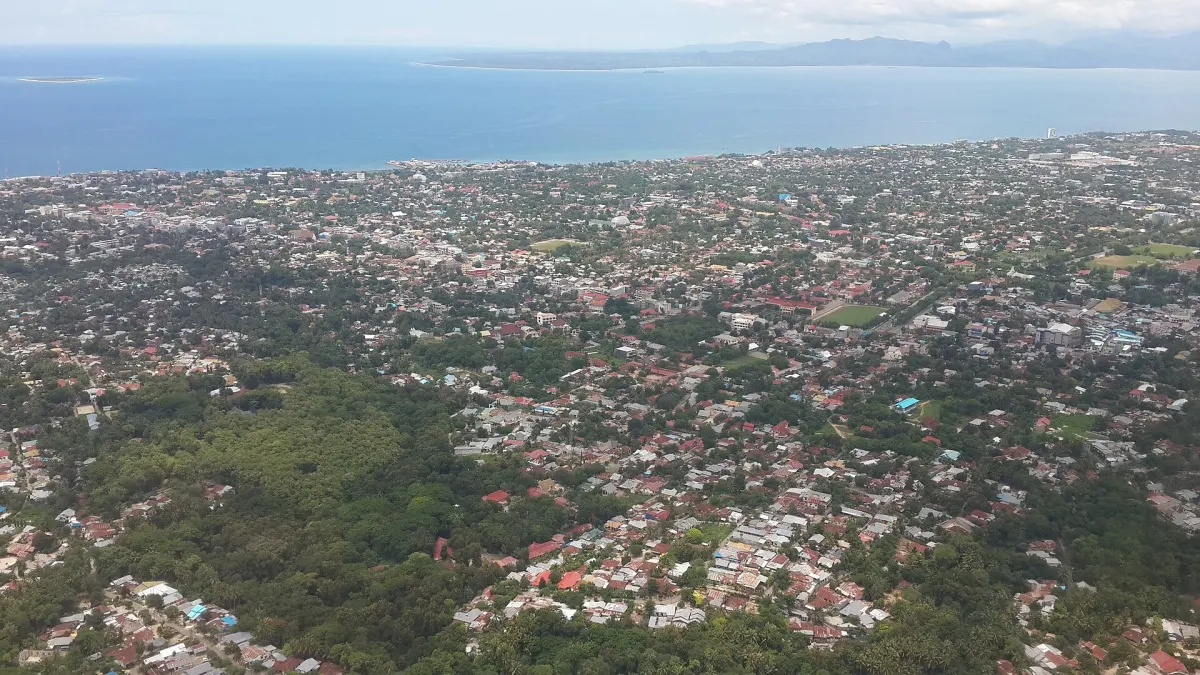
Lasiana sits in Kelapa Lima District on Kupang’s northern coast, near Lasiana Beach, a long-standing local tourism asset.
How the partnership is expected to work
Undana is expected to contribute a digital application for the waste-bank programme and provide assistance with urban farming.
According to Ebit, the urban-farming component is intended to help households reduce routine expenses, such as purchases of kitchen spices and other daily needs, by growing more food at home.
Nixon Ramang, head of Undana’s Dryland Island Laboratory (UPT LLKK), said the university is prepared to support the programme as part of its “Undana Berdampak” approach, which emphasises applying university knowledge directly in communities.
Similar community service activities by LLKK have focused on waste processing and compost production in other parts of Kupang, indicating that the Lasiana initiative is part of a wider effort to improve local waste management and create value from sorted and processed waste.
Organisation and early needs
The Lasiana waste bank has been structured with a coordinator’s office and divisions responsible for outreach, sorting and finance.
Community outreach is expected to focus on encouraging residents to separate waste at source and to participate in the deposit system, while sorting and finance divisions handle the segregation of materials and the administration of deposits and sales.
Ebit has asked the Kupang city government to provide waste bins and an operational vehicle to support the unit’s work, signalling that additional infrastructure is needed to expand collection and transport.
Tourism and coastal-management ambitions
Lasiana’s coastal area, including Lasiana Beach, has long been identified as a tourism asset with development potential, but previous research has noted gaps in facilities and waste-handling infrastructure along the shore.
Local leaders now see the waste bank as one possible tool to help manage waste in this coastal zone.
Lasiana urban-village head Yohanes Keluli has said government institutions cannot solve the waste problem alone and has welcomed cooperation with universities, community groups and partner waste banks to address it.
The organisers have discussed a future arrangement in which the waste bank and the local tourism-awareness group (Pokdarwis) manage the nearby coastal area together, potentially allowing visitors to pay an entrance fee using sorted waste instead of cash.
This idea remains at the proposal stage; no timeline or operating rules have been announced.
Local response to Kupang’s waste problem
Ramang has linked the Lasiana initiative to Kupang’s long-running struggle with waste management, including habits around littering and cleanliness.
Previous studies on Lasiana and the wider coastal area have highlighted the need for stronger local participation, better waste facilities and community-based management to support sustainable tourism.
The new programme in Lasiana therefore combines several aims: improving waste sorting, building a community-managed financial system, supporting household food production and strengthening the management of a coastal destination.
Its longer-term impact on household income and the local environment will depend on collection logistics, reliable buyers for sorted materials, adequate infrastructure and transparent financial arrangements, none of which have yet been fully documented.
Sources
- POS-KUPANG.COM - Kelurahan Lasiana Kota Kupang Gandeng Undana Kelola Sampah jadi Sumber Ekonomi Baru
- UPT LLKK Undana - “SAMPAH BERNILAI ASAL DIKELOLA”
- Wikipedia Indonesia - Lasiana, Kelapa Lima, Kupang
- Udayana University Journal article - Pengembangan Potensi Wisata Pantai Lasiana sebagai Daya Tarik Wisata Unggulan di Kota Kupang
- IPDN Journal article on the role of the Tourism and Creative Economy Office in developing Lasiana Beach
Next story

Porter Challenge Puts 30 Rinjani Porters in Sembalun Mountain Festival Spotlight
At least 30 porters from Sembalun joined a Porter Challenge at the Sembalun Marathon Mountain Festival, running with the baskets they use to carry sup…
Related