
What Jimbaran’s Development Debate Means for Balinese Identity
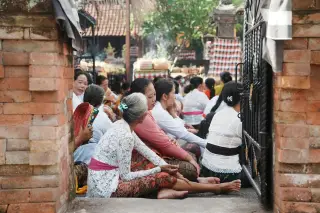
A Jimbaran discussion presented development and Balinese identity as compatible, while a 2026 writing competition engaged more than 200 primary-school students in imagining the village’s future.
By Mukmin John
Editor: Mursyid Sonsang
· 2 min read
Jimbaran — A cultural and development discussion in Jimbaran argued that modern construction can progress without erasing Balinese identity, while a related 2026 writing competition brought more than 200 primary-school students into a conversation about the village’s future.
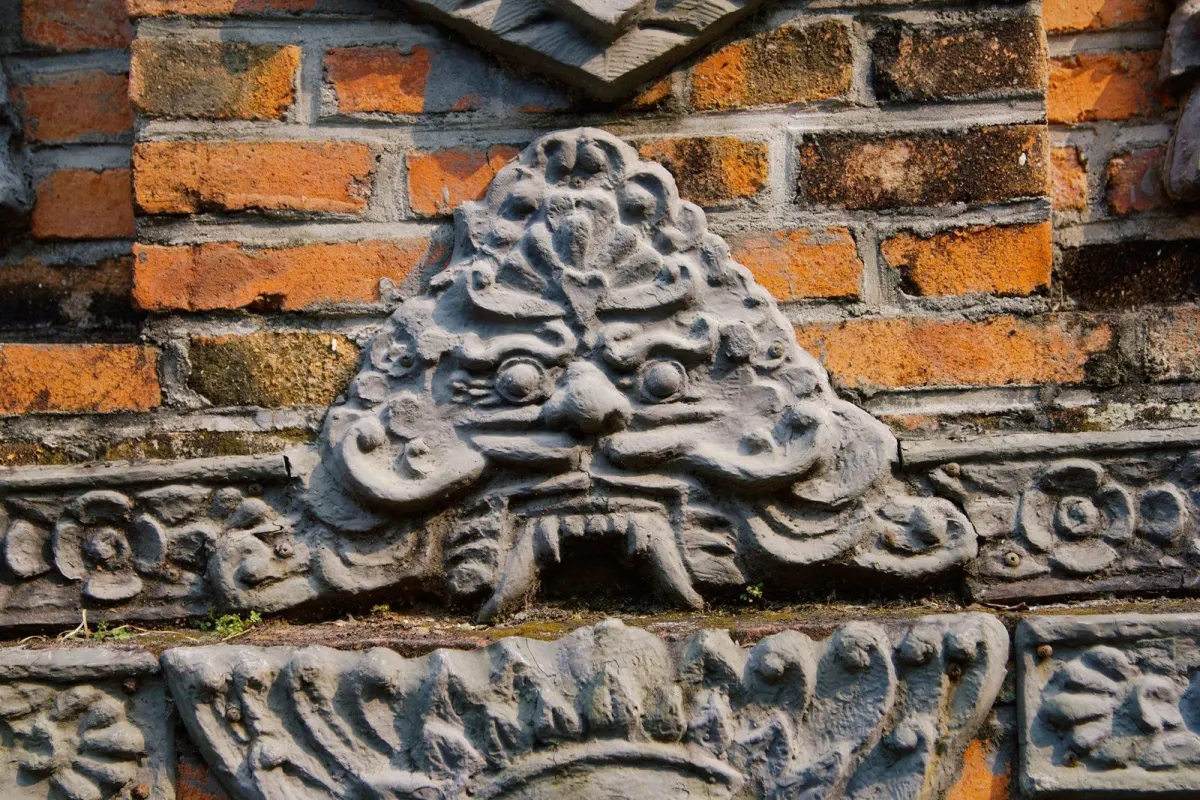
The change comes as Jimbaran faces continued development and tourism pressure. The discussion presented vernacular architecture, community festivals and cooperation with customary villages as ways to keep local identity visible in a changing landscape. Dr. Putu Agung Prianta said development should use cultural identity as an operating framework rather than treat tradition as an obstacle.
The writing competition, held as part of Jimbafest Presents: Pekan CERIA at Jimbaran Hub on Oct. 29, 2026, was titled “Impianku untuk Desa Jimbaran yang Terbaik.” It involved more than 200 students from at least 12 primary schools in Jimbaran, with students in grades four through six writing about the environment, culture and future of their village. Organizers said 30 of the strongest works would be published and distributed to schools.
Why cultural identity matters as Jimbaran develops
For foreign residents and visitors, the discussion signals that development in Jimbaran is being framed not only as a construction or tourism question but also as a cultural one. The approach described in the reports places local architectural character, community participation and customary institutions alongside modern facilities and economic activity.
The festival’s organizers also described collaboration with government education offices and Desa Adat Jimbaran as part of the work of strengthening local skills and sustainability awareness. In practical terms, that means cultural continuity is being treated as a community responsibility, with children invited to articulate what a livable and authentic Jimbaran should look like.
The competition’s planned book would preserve the students’ ideas beyond the event and circulate them through local schools. The reports also said organizers hoped the writing could eventually be shared more broadly, including digitally. That places the students’ perspectives within a longer effort to connect environmental education, literacy and cultural stewardship.
Sources
Read next
More on this story
Tourism & Hospitality
Jimbaran Conference Urges Bali to Prioritise Quality Tourism
Speakers at a tourism conference in Jimbaran said Bali should measure success by community benefits, cultural respect and environmental protection, no…
Most read in Culture & Ceremony
Today’s top story

Related