

Bali–Lombok Ferries: 24-Hour Service Still Depends on Conditions
Public ferries between Padang Bai in Bali and Lembar in Lombok are widely described as running 24 hours a day with frequent departures, but crossings remain subject to weather, operational decisions and holiday restrictions.
By Mukmin John
Editor: Mursyid Sonsang
· 5 min read
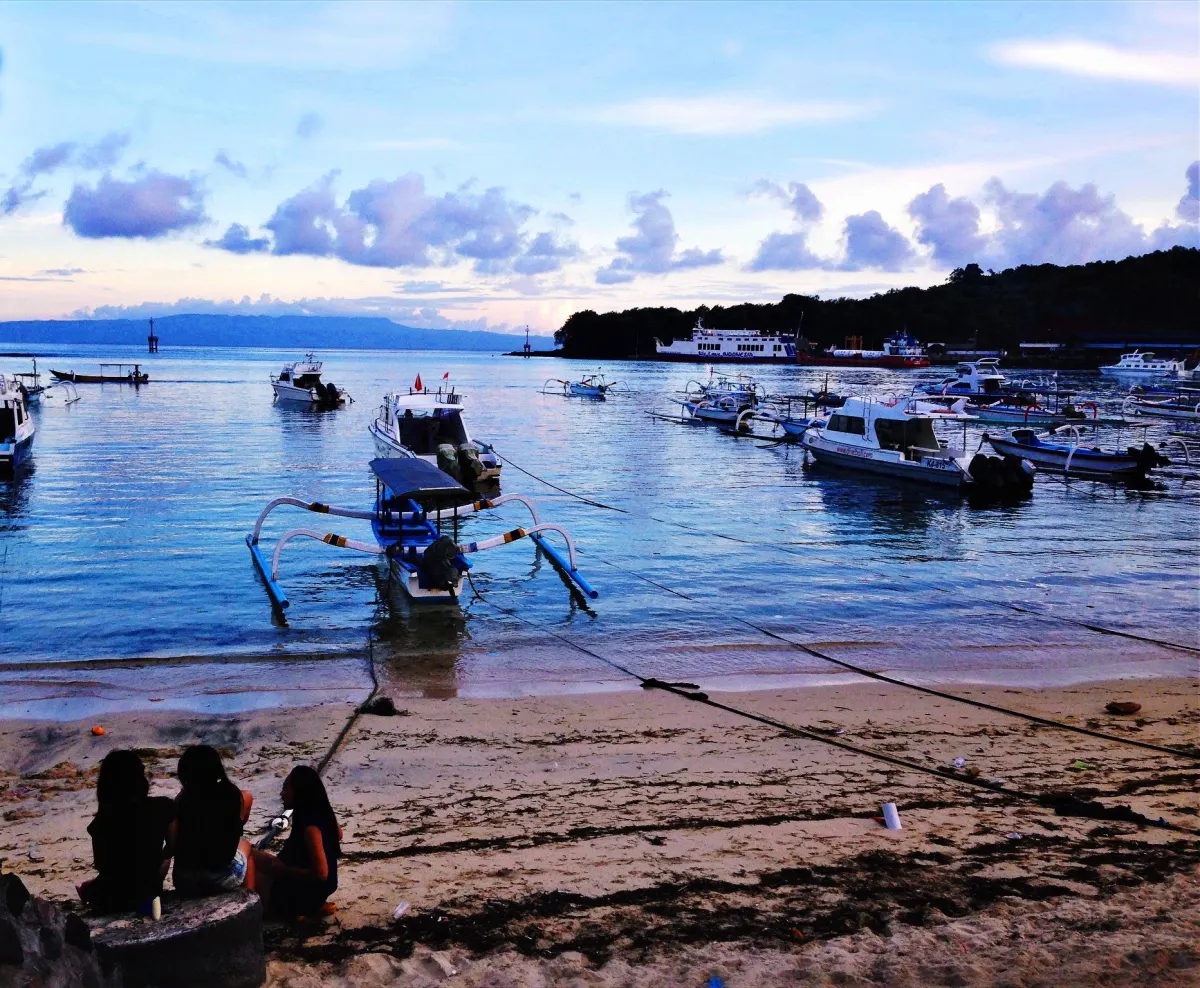
Padang Bai — — Public ferries linking Padang Bai in East Bali with Lembar in West Lombok are widely described as running on a round-the-clock pattern, but travellers should treat this as a frequent service rather than a promise of hourly departures in all conditions. A 2022 guide by Lombok Network and more recent travel advisories say crossings are subject to weather controls and operational decisions by port and ferry authorities.
The information in this explainer applies to the public vehicle-and-passenger ferries operated on the Padang Bai–Lembar route, not to fast boats or other passenger-only services to Lombok or the Gili Islands. These sources provide indicative patterns and crossing times but do not function as an official live timetable.
Several independent travel sources and regional guides describe the service as continuous, with ferries running 24 hours a day and departures typically spaced between one and two hours apart, depending on load and sea conditions. Schedules published for specific dates show sailings through the night and early morning, reinforcing that the route is maintained as a 24-hour corridor, although gaps of more than an hour between departures are common.
What the service pattern means
The Padang Bai–Lembar ferries cross the Lombok Strait between eastern Bali and western Lombok and are designed to carry both passengers and vehicles, including trucks and private cars. Multiple guides and ferry overviews describe onboard passenger areas and vehicle decks, with basic facilities such as toilets and food or drink counters, though amenities vary by vessel.
Travel advisories consistently give a typical crossing time of about four to five hours at sea, with the journey sometimes extending to around six hours when seas are rough or loading is heavy. Several sources note that total travel time can be longer because of queuing, loading and unloading at the ports, especially during peak holidays or when freight volumes are high.
Published schedules for particular days on the Padang Bai–Lembar route show departures available from midnight through the late evening, usually at roughly 90-minute to 2.5-hour intervals. These date-specific timetables demonstrate that ferries operate overnight and that actual departure times are set in blocks rather than an exact hourly clock face.
Weather controls and operational suspensions
Travel guides warn that sailings on the Padang Bai–Lembar route are subject to weather and sea-state controls imposed by port and ferry authorities. When conditions deteriorate, departures may be delayed or cancelled, and some guides note that crossings can be suspended for one or more days if safety standards cannot be met.
Regional ferry schedules and advisories also state that departure patterns “can change at any time” and recommend checking the latest information directly at the harbour or through operators, particularly during periods of unstable weather or heavy traffic. In practice, this means travellers should not rely solely on the idea of an hourly or fixed pattern and should build in additional time for possible delays.
Nyepi and holiday impacts
Bali’s annual Hindu Day of Silence, Nyepi, is generally observed with restrictions on movement and activity across the island, and travel guides caution that public transport, including ferries, can be affected around the observance. Advisories aimed at visitors recommend planning departures to Lombok or Java before the Nyepi period to avoid disruption, although operational details for a given year must be confirmed with port or ferry operators closer to the date.
Public ferries versus fast boats
Independent travel articles distinguish clearly between the public Padang Bai–Lembar ferries and private fast boats serving Lombok and the Gili Islands. The public ferries are slower, utilitarian roll-on/roll-off vessels managed under the national ferry system, while fast boats are passenger-only services with separate operators, timetables, fares and safety rules.
Because of these differences, sources advise travellers to confirm which service they are booking and to check current schedules and ticketing arrangements directly with the relevant operator, rather than assuming that fast boats follow the same 24-hour, frequent-service pattern as the Padang Bai–Lembar ferries.
Practical checklist for travellers
Based on recent guides and date-specific ferry timetables, travellers heading between Bali and Lombok on the public ferries are advised to:
- Confirm whether the port is operating normally and whether any weather or safety controls are in force.
- Check the latest departure list for the intended date, noting that overnight and daytime sailings typically run at roughly 90-minute to 2.5-hour intervals rather than exactly every hour.
- Allow extra time for queuing, loading and unloading, especially when travelling with a vehicle or during peak holidays.
- Verify current fares and payment options directly with the port or operator, as previously published tariff tables from 2022 are now of historical interest only.
- Plan around Nyepi and other major holidays by seeking updated operating notices from ferry or port authorities before travelling.
Sources
- Indonesia Journeys – How to Get to Lombok: Flights, Ferries & Fast Boats Explained
- Rinjani Geopark – Public Ferry
- Trekking Rinjani – Ferry and Fast Boat Bali Lombok
- Hi Power Ventures – Bali to Lombok: Every Way to Get There in 2026
- IDN Times – Complete Ferry Schedule Lombok–Bali (Padangbai–Lembar) 19 September 2026
- Lombok Network
Next story

Indonesia VAT refund: 60-day rule and airport procedures for tourists
Foreign-passport holders who are not Indonesian citizens or permanent residents may reclaim VAT on eligible goods bought from registered “Tax Refund f…
Related