

Delayed rains push Bali inflation higher into October 2026
Bali’s annual inflation rose to 3.87% in October 2026, above the national 3.23% rate. Late rains may prolong food-supply pressure into early 2027.
By Mukmin John
Editor: Mursyid Sonsang
· 2 min read
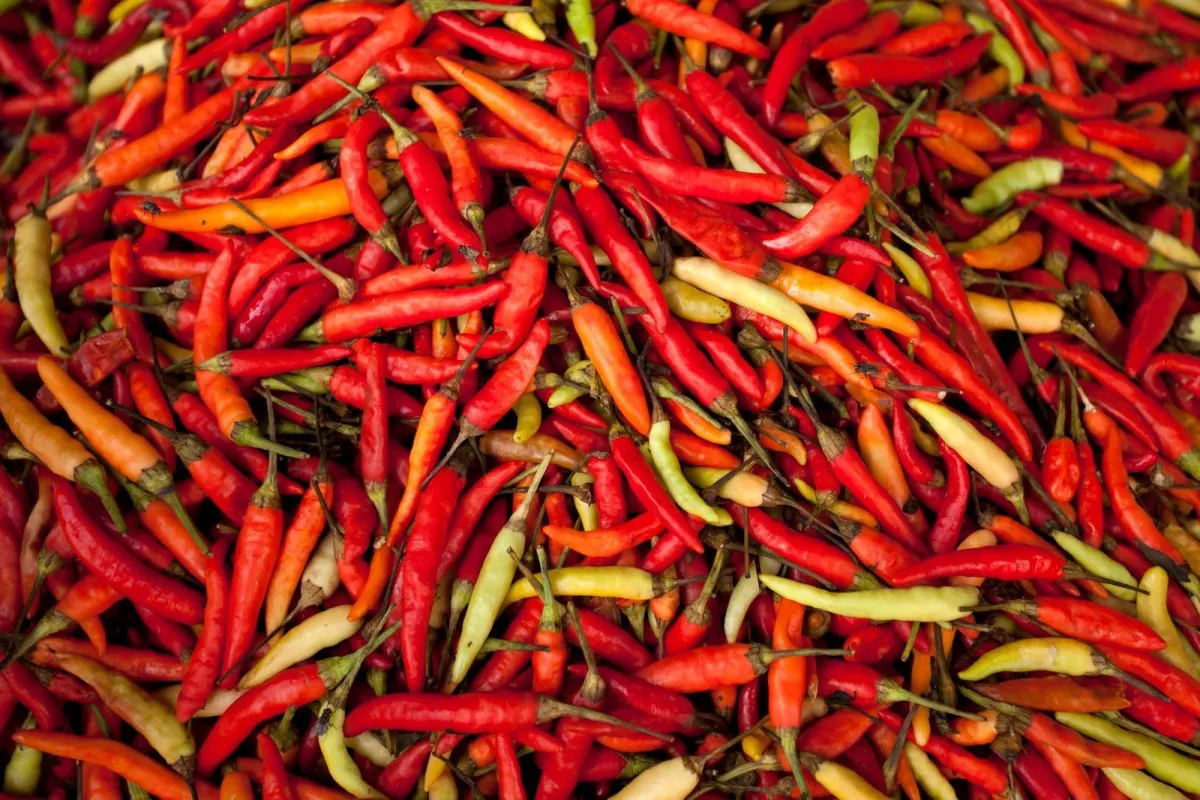
Denpasar — Bali’s annual inflation rose to 3.87% in October 2026 from 3.79% in September, exceeding Indonesia’s 3.23% rate as delayed rains constrained food production and supply.
The figures, attributed to the Bali office of Statistics Indonesia (BPS), show that price pressures on the island remained stronger than nationally. Bank Indonesia’s Bali office said the late start to the rainy season could slow the recovery of agricultural supplies, particularly rice and other food crops, as Bali moves into the end of 2026.
Why it matters for Bali residents and visitors
For foreign residents and visitors, the pressure is most visible in everyday food costs. Prices can remain elevated for rice, chilies, vegetables and other locally supplied products when harvests are weaker and distribution becomes more expensive. The effect is not a new rule or a restriction on travel; it is a supply-side risk that can affect household budgets, restaurants and other businesses that depend on agricultural commodities.
Most of Bali is forecast to enter the rainy season in December 2026. Until production and distribution recover, the island may continue to face tighter supplies. The Bali Post report said the prolonged dry season had limited horticultural production and that disrupted fuel distribution in mid-October also placed pressure on the movement of goods.
Bank Indonesia Bali expects the gradual recovery of horticultural supplies and the normalization of some food prices after earlier increases to help contain inflation in November 2026. The delayed rains, however, mean that supply conditions remain a concern into early 2027.
Sources
Read next
More on this story

Explainers & Data
Bali Assessment Places Buleleng First and Badung Last
Bali’s 2026 assessment put the average score across its nine regencies and municipalities at 77,27. Buleleng ranked highest and Badung lowest.
Most read in Explainers & Data

Today’s top story

Related