
BNPB Promotes Five-Part Disaster-Safe Tourism Framework in Bali
Indonesia’s disaster agency promoted a five-part framework for disaster-safe tourism at a Bali stakeholder meeting on January 13, 2020, positioning the island as a model for other destinations and highlighting tsunami warning and business…
Editor: Mursyid Sonsang
· Event date: · 4 min read

Denpasar — — Indonesia’s National Disaster Management Agency (BNPB) used a stakeholder meeting in Bali on 13 January 2020 to promote a five-part framework for disaster-safe tourism and to position Bali as a model for other destinations, according to the Bali Provincial Disaster Management Agency (BPBD) and national media reports.
The session was held at BPBD Bali’s regional disaster control centre (Pusdalops) and brought together provincial and district disaster officials, military and police representatives, the Meteorology, Climatology and Geophysical Agency (BMKG), the National Search and Rescue Agency (Basarnas), other government bodies, volunteers and the tourism association Wapena, BPBD Bali reported.
BNPB head Doni Monardo told participants that central and regional governments must work in synergy to deliver disaster-safe tourism areas, with Bali prioritised so its practices can be replicated by other destinations. He linked the effort to the government’s wider push to strengthen mitigation and preparedness in priority tourism zones, including Danau Toba, Labuan Bajo and Mandalika.
Five-part framework for safer tourism
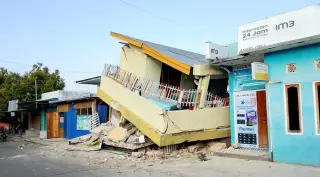
BPBD Bali said BNPB’s concept of disaster-safe tourism is built on five key elements: risk knowledge, disaster-safe facilities, disaster risk governance, emergency management and business continuity planning. The approach treats preparedness as a shared responsibility of public agencies, businesses, security institutions, communities and volunteers, rather than a task for emergency services alone.
According to BPBD Bali, safer destinations should combine sound buildings and evacuation infrastructure with risk-management systems, public education for visitors and residents, regular drills and continuity plans so operations can resume quickly after a disaster. The framework also emphasises stronger coordination between national and local authorities in planning and operating tourism areas.
BNPB spokespeople separately urged tour operators and local governments to use official hazard maps when planning and expanding tourism zones, especially in priority destinations being developed as “10 New Balis”. They said integrating mitigation and risk reduction into tourism development can limit disaster impacts while protecting visitors and local communities.
Tsunami sirens and business preparedness
BPBD Bali’s account of the meeting noted that the province faces potential megathrust earthquake and tsunami hazards to both its north and south and highlighted efforts to strengthen early warning coverage. It stated that nine tsunami evacuation sirens had been installed in Bali and that the province had requested funding for ten additional units from BNPB.
BPBD Bali head I Made Rentin later explained that the nine tsunami early warning system (TEWS) sirens are located in tourism and coastal areas including Nusa Dua, Seminyak, Kuta, Kedonganan, the BTDC complex, Tanjung Benoa, Serangan and Sanur beaches in Denpasar, Tanah Lot in Tabanan and Seririt in Buleleng. He said BPBD Bali considers additional sirens “urgent” but that BNPB could not budget for new units in 2019, with funding only likely in 2020 or 2021.
BPBD Bali reported that disaster preparedness certification for businesses has been carried out since 2014, covering 64 establishments including hotels, restaurants, malls, spas, theatres, golf facilities and hospitals. Academic work on early warning systems for tourism in Bali also notes nine siren points across the province and monthly activation tests on the 26th as part of siren maintenance.
Bali as a reference for other destinations
BNPB and BPBD Bali framed the island as a reference point for other Indonesian tourism centres because of its international profile and economic role. BNPB officials said Bali’s disaster management standards and infrastructure should be upgraded to international levels so they can be adopted by other destinations.
BPBD Bali linked the disaster-safe tourism concept to the Balinese philosophy of Tri Hita Karana and BNPB’s environmental slogan “Kita jaga alam, alam jaga kita”, arguing that resilient tourism must combine physical safety with social and environmental harmony. The agency said the goal is to keep tourism operating safely during and after disasters, while protecting both visitors and local communities.
Sources
Next story

Sudaji Peace Trail Fun Run draws 144 runners in Buleleng
The inaugural six-kilometre run in Sudaji village combined sport, rural tourism and environmental activities, drawing 144 runners and spotlighting Bal…
Related