

Explainer: AMDAL, UKL-UPL and SPPL for Bali villa and resort projects
Indonesia requires most Bali property and hospitality projects to secure environmental approval before business and building licences. AMDAL, UKL-UPL and SPPL apply at different risk tiers, often linked to project size and activity.
By Mukmin John
Editor: Mursyid Sonsang
· Event date: · 5 min read Updated
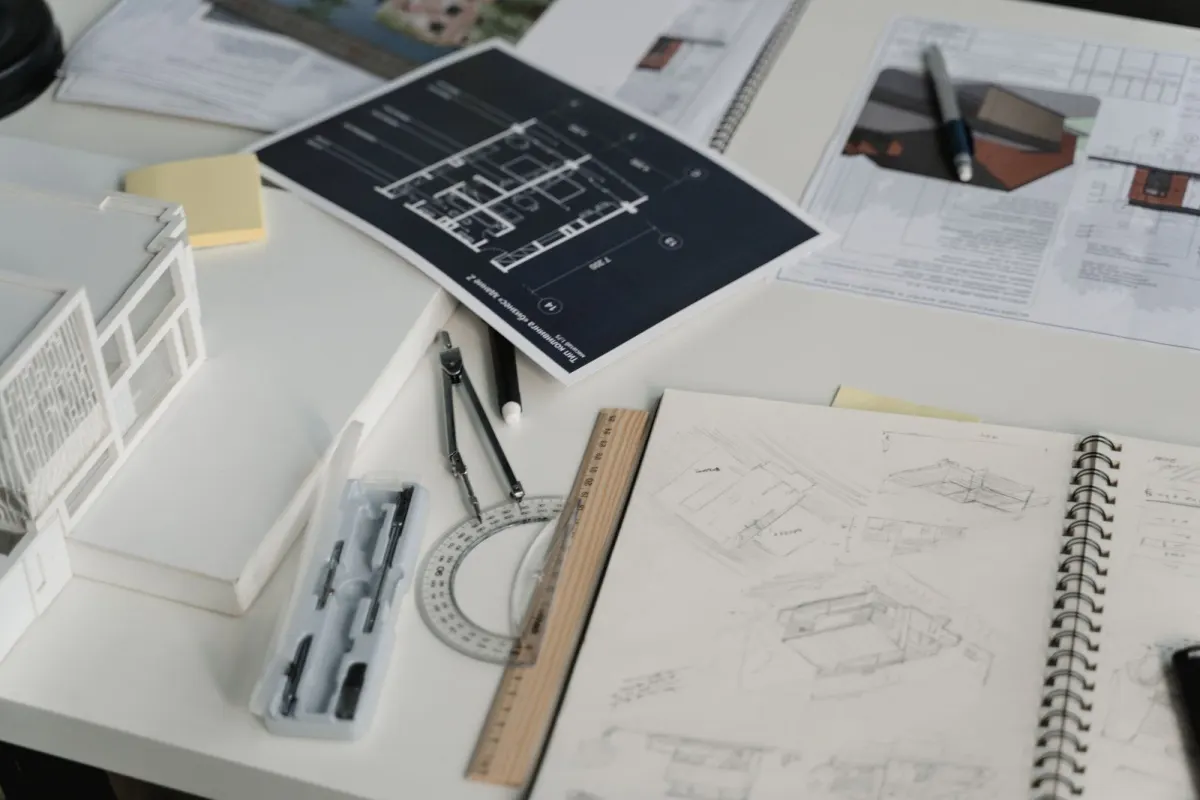
Denpasar — Environmental approval is an early compliance step for construction and rental projects in Bali, with the applicable pathway generally determined by project scale and environmental risk. Indonesian rules group projects into three main categories — AMDAL, UKL-UPL and SPPL — which function as prerequisites for business and building licences under Government Regulation (PP) No. 22 of 2021 on environmental management.
Environmental approvals are designed to assess how a planned activity may affect land, water, waste management, drainage, surrounding communities and local infrastructure. PP No. 22/2021 states that environmental approval is a prerequisite for business licensing or government approval, meaning a project that skips the applicable pathway may not lawfully obtain its operational permits.
For owners, developers and investors, the classification matters because two projects in the same area can face different procedures if their land or floor areas place them in different risk tiers.
The three environmental pathways
Indonesia’s framework uses a proportional structure: the higher the environmental risk, the more detailed the assessment. Legal and consultancy guides explain that AMDAL is required for business plans and activities with a significant impact on the environment, UKL-UPL for activities with lesser but still measurable impacts, and SPPL for low-risk activities that do not meet AMDAL or UKL-UPL thresholds.
For villa and hospitality developments in Bali, several specialist guides describe indicative size thresholds that are commonly used in practice:
- AMDAL: typically required for large resort or hotel projects with land area of at least 5 hectares or built-up floor area of at least 10,000 square metres.
- UKL-UPL: applied to medium-scale boutique hotels or villa complexes, often in the range of roughly 1 to 5 hectares of land or about 5,000 to 10,000 square metres of floor area, below AMDAL triggers but above small-project levels.
- SPPL: a statement of commitment used for activities that do not require AMDAL or UKL-UPL, including most individual villas that fall below the UKL-UPL thresholds.
These size bands are indicative rather than a substitute for a project-specific review. Legal commentary stresses that the obligation to prepare AMDAL or UKL-UPL depends on the type of activity, location and potential impact as defined in PP No. 22/2021 and implementing lists of mandatory AMDAL/UKL-UPL projects.
What AMDAL involves
AMDAL is the most extensive of the three processes. Legal analyses link it to Law No. 32 of 2009 on Environmental Protection and Management and PP No. 22/2021, which together set out the requirement to secure environmental approval for significant-impact projects and the role of AMDAL as the highest tier assessment.
The process begins with KA-ANDAL, a terms of reference document for the assessment, followed by the ANDAL analysis itself, which examines potential effects on soil, water, air, ecosystems and community life. Developers then prepare environmental management and monitoring plans (RKL-RPL) describing how identified risks will be managed.
The completed package is reviewed by an AMDAL commission. Once approved, it forms the basis for issuing environmental approval, which must be obtained before business licensing or government approval can proceed, according to PP No. 22/2021.
Community participation is identified as part of the AMDAL process in guidance materials and official commentaries, with public consultation forming one element of the assessment stages.
What UKL-UPL and SPPL mean for smaller projects
UKL-UPL is described in legal and government guidance as a lighter process than AMDAL but still a mandatory environmental instrument for activities that do not have significant impacts yet require management and monitoring. These documents are typically prepared by the project proponent and reviewed by the local environmental agency (DLH kabupaten/kota).
Official and academic commentaries note that UKL-UPL may need to be accompanied by technical approvals (Pertek) covering aspects such as wastewater discharge standards and air emission limits under PP No. 22/2021 and related regulations.
Projects that do not fall into AMDAL or UKL-UPL categories generally use SPPL, a self-declared environmental management statement for micro and small-scale, low-impact activities. SPPL is submitted to the relevant level of government and, in practice, is often processed via the national online licensing system (OSS) or through local environmental offices.
Where environmental approval sits in the licence chain
PP No. 22/2021 explicitly states that environmental approval is a prerequisite for issuing business licences or government approvals. In practice, this means developers should check which environmental pathway applies before finalising construction arrangements or applying for building approvals.
Legal analyses of PP No. 22/2021 also highlight the enforcement consequences for non-compliance. The regulation allows administrative fines calculated as a percentage of investment value, capped at IDR 3 billion, for businesses that hold licences but lack required environmental approval, along with potential shutdown orders and licence revocation.
For Bali villa and hospitality projects, the practical sequence described in specialist guides is to classify the project by activity, location and size, complete the applicable environmental process (AMDAL, UKL-UPL or SPPL), obtain environmental approval, and then proceed with building and operational licensing through the OSS system and local authorities.
Sources
- PARADYSE Homes blog: What Bali's Environmental Impact Permit (AMDAL/UKL-UPL) Actually Requires Before a Villa Can Be Legally Built or Rented
- Pandara Prima – Environmental Document Services in Bali
- Lexology – Q&A: environmental regulation in Indonesia
- Unofficial English translation of Government Regulation (PP) No. 22 of 2021 on Environmental Management
- PDA Exsea – Distinction of three major categories of Indonesian environmental approvals
- NEDO – Guidance on Indonesia’s environmental permit system
- AHP – Indonesia streamlines environmental approvals with new decree
- Analisis yuridis ketentuan PP No. 22 Tahun 2021 tentang lingkungan hidup
- Ganeca Environmental Services – Dokumen Lingkungan
Read next
More on this story
Tourism & Hospitality
Jembrana Creative Festival runs through 1 November
Jembrana Creative Festival 2026 opened at Taman Pecangakan on 31 October and ran through 1 November, offering free music, workshops, food and a showca…
Most read in Explainers & Data

Today’s top story
Related