
How Bali’s subsidised 3-kg LPG programme works amid reported shortages
Bali’s subsidised 3-kg LPG cylinders are meant for low-income households and micro businesses, but falling quotas, strong demand and concerns about commercial misuse have triggered shortages and tighter monitoring.
By Mukmin John
Editor: Mursyid Sonsang
· Event date: · 5 min read Updated
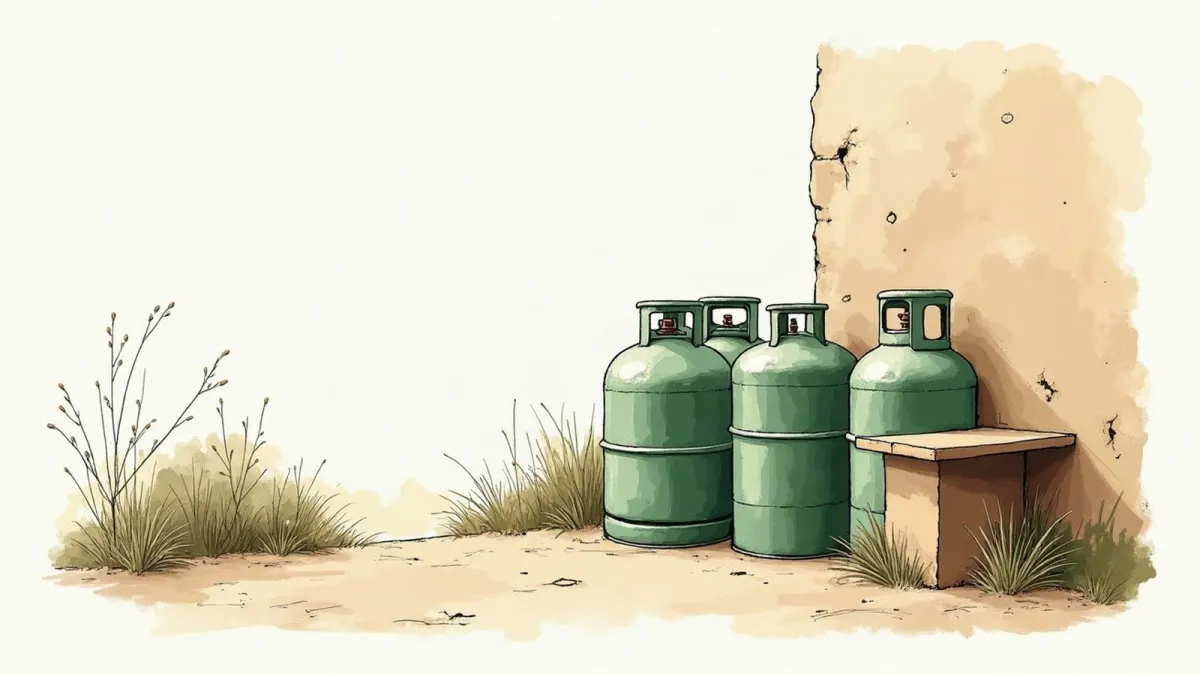
Denpasar — Lawmakers and officials in Bali are again scrutinising the subsidised 3-kilogram LPG programme after months of reported shortages, falling quotas and concerns that some commercial users are tapping supplies intended for low-income households and small businesses.
Data from Pertamina Patra Niaga and Bali authorities show that the province’s subsidised LPG allocation has been reduced in recent years even as demand has risen, with distribution and monitoring now under closer review by the provincial legislature and local governments.
Who is the subsidised LPG intended for?
According to the Bali provincial Manpower and Energy and Mineral Resources Office, the subsidised 3-kg LPG quota is calculated based on proposed demand from households and small-scale economic actors across the island’s regencies and cities, using data compiled from local governments and other agencies.
A 2025 briefing cited by local media states that Bali’s proposed subsidised LPG quota for 2025 was 231,193 metric tonnes, based on submissions from regencies and municipalities through the Manpower and ESDM Office, after realisation in 2024 reached 236,811 metric tonnes for 3-kg cylinders.
Public statements by officials and Pertamina emphasise that the 3-kg cylinders are intended for low-income consumers and micro-scale businesses, while hotels, large restaurants, cafes and other commercial operations are expected to use non-subsidised products.
In January 2026, Commission III of the Bali provincial legislature held a coordination meeting with Pertamina, the provincial Trade and Industry Office, the Manpower and ESDM Office and Hiswana Migas to discuss ongoing shortages and alleged misuse of the subsidised cylinders, including suspected use by businesses outside the target group.
Those references describe concerns raised by officials rather than court findings, and they do not amount to determinations that every business in those sectors is misusing subsidised LPG.
Where is it distributed and how is it monitored?
Pertamina Patra Niaga distributes 3-kg LPG through authorised outlets known as pangkalan, which receive quota allocations and are expected to sell cylinders at the official maximum retail price.
Local governments and Pertamina have stepped up monitoring at these outlets. The Sales Area Manager Retail Pertamina Bali has said that joint inspections with the provincial Trade and Industry Office and regional authorities take place about twice a month to ensure that subsidised cylinders reach eligible consumers.
In Kabupaten Badung, the local cooperative, small and medium enterprises office reported that about 700 official LPG outlets are operating in the regency, with consumers encouraged to buy only at registered pangkalan where prices follow the official cap.
Bali’s governor has set the maximum retail price for 3-kg LPG at Rp18,000 per cylinder under Decree No. 63 of 2022, and officials in several regencies have reiterated that this price applies at authorised outlets.
To respond to spikes in demand, Pertamina and local governments have organised extra supply operations and “market operations” selling cylinders at the official price, including additional drops in Badung and low-price sales in Denpasar during September 2026.
Provincial trade officials have also appealed to consumers not to engage in panic buying, warning that purchases far above normal household needs can accelerate depletion at outlets and worsen the appearance of shortages.
Key figures
- Subsidised LPG quota proposed for Bali in 2024: 279,406 metric tonnes, with realisation in 2024 at about 236,811 metric tonnes of 3-kg cylinders.
- Subsidised LPG quota set for Bali in 2025: around 231,192–231,193 metric tonnes, with realisation through July 2025 at 138,842 metric tonnes, equivalent to roughly 46.2 million cylinders and an average distribution of about 266,000 cylinders per day in that month.
- Subsidised LPG quota for Bali reported by the Directorate General of Oil and Gas for 2026: 227,934 metric tonnes, allocated across nine regencies and cities.
- Maximum retail price for 3-kg LPG in Bali: Rp18,000 per cylinder, under a 2022 gubernatorial decree applied at authorised outlets.
Context and timeline
Local media and officials report that residents in parts of Bali have struggled to obtain 3-kg LPG cylinders since at least mid-2025, with queues and prices above the official cap at some informal retailers.
By July 2025, Pertamina data showed that around 60 percent of the year’s subsidised quota had already been distributed, prompting concerns in the provincial legislature about whether allocations remained sufficient for the rest of the year.
On 25 August 2025, the chair of Commission III of the provincial legislature said the body would conduct working meetings and consultations in Jakarta with the Energy and Mineral Resources Ministry, Pertamina and trade officials to seek additional quota and tighter monitoring against distribution that misses its intended targets.
Shortages persisted into 2026, with local reporting in August noting that both 3-kg LPG and certain fuels were difficult to obtain at times, and that government data put the 2026 3-kg LPG quota for Bali at 227,934 metric tonnes.
In September 2026, Denpasar’s Trade and Industry Office, Badung’s cooperative and MSME office and Pertamina rolled out extra distribution and market operations in areas facing tight supply, while reiterating that subsidised cylinders are meant for low-income households and small businesses and encouraging other consumers to use non-subsidised LPG products.
Sources
Read next
More on this story
Travel Advisory
BMKG warns of strong winds and high waves in Bali
BMKG forecast partly cloudy weather across Bali on Oct. 7, 2026, with strong winds in Karangasem and waves reaching 3,5 metres south of the island.
Most read in Explainers & Data

Related