

Kerobokan Investment Figures Stir Debate Over Customary Village Role
Investment in Kerobokan totalled about Rp24.46 trillion (about US$1.5 billion) in 2023, Rp27.08 trillion (about US$1.7 billion) in 2024 and Rp22.40 trillion (about US$1.4 billion) in 2025.
By Pandi Muktar
Editor: Mursyid Sonsang
· 2 min read
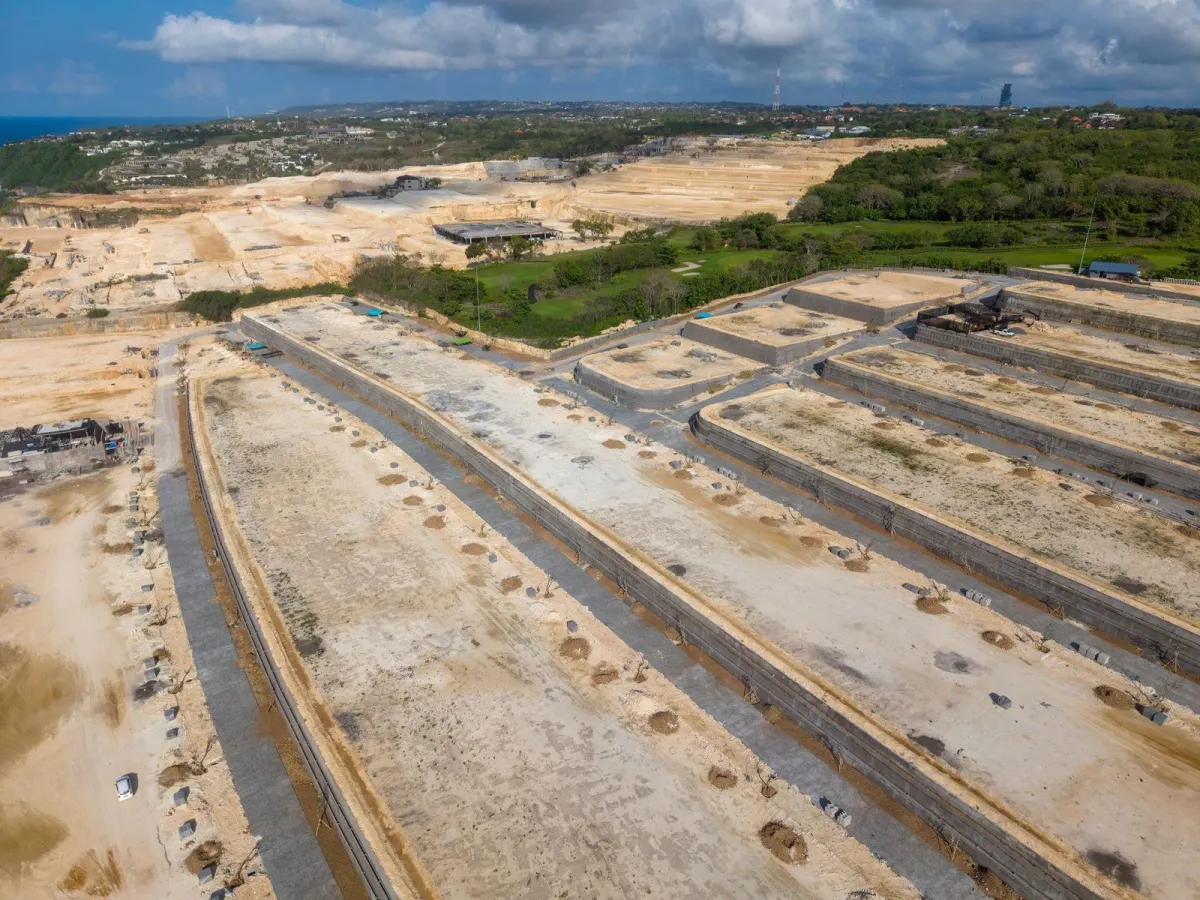
Mangupura — Investment in Kerobokan totalled about Rp24.46 trillion (about US$1.5 billion) in 2023, Rp27.08 trillion (about US$1.7 billion) in 2024 and Rp22.40 trillion (about US$1.4 billion) in 2025. The figures cover Desa Adat Kerobokan and the adjoining areas of Kerobokan Kaja and Kerobokan Kelod in Badung Regency.
The figures renewed scrutiny of the customary village’s limited role in overseeing investment. Desa Adat Kerobokan was reported to have had limited involvement in monitoring business activity or securing economic benefits for the customary village, despite the scale of investment.
The figures came from Badung Regency’s integrated licensing service. The data recorded 5,989 businesses in 2023, 6,294 in 2024 and 5,620 in 2025. Kerobokan Kelod was the largest contributor among the three areas; in 2024, it accounted for about Rp13.91 trillion (about US$870 million) across 2,838 business records.
Why the Kerobokan figures matter to Bali’s investment debate
For foreign residents, visitors and businesses, the issue is less about a new entry rule than about who oversees development in one of Bali’s most intensely urbanised areas. Investment approvals generally proceed through government licensing and the Online Single Submission system, while customary-village involvement has not been fully integrated from the outset.
Bali regulations give customary villages authority linked to ancestral rights, including management of their territory and customary property, as well as participation in development decisions. A functioning BUPDA, or customary-village-owned enterprise, could help the village review proposed businesses, land-use compatibility and effects on the customary community and environment.
Research on the implementation of the customary village’s role in controlling investment focused on Desa Adat Kerobokan. The village’s participation in incoming investment remained limited.
Sources
Read next
More on this story
Bali News
Badung Police Review Patrols After Kerobokan Robbery
Badung Police are reviewing patrols in North Kuta after a Malaysian visitor was robbed in Kerobokan. The 110 line remains available for police assista…
Most read in Business & Investment

Today’s top story

Related