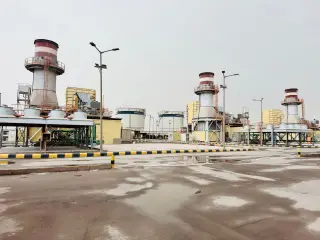

PLN reviews Nusa Penida smart microgrid integrating solar, battery and diesel
PLN and Indonesia's electricity regulator reviewed Nusa Penida's smart microgrid on 15 September, focusing on how solar, battery storage and diesel generation are coordinated to maintain reliable power.
By Pandi Muktar
Editor: Mursyid Sonsang
· Event date: · 2 min read Updated
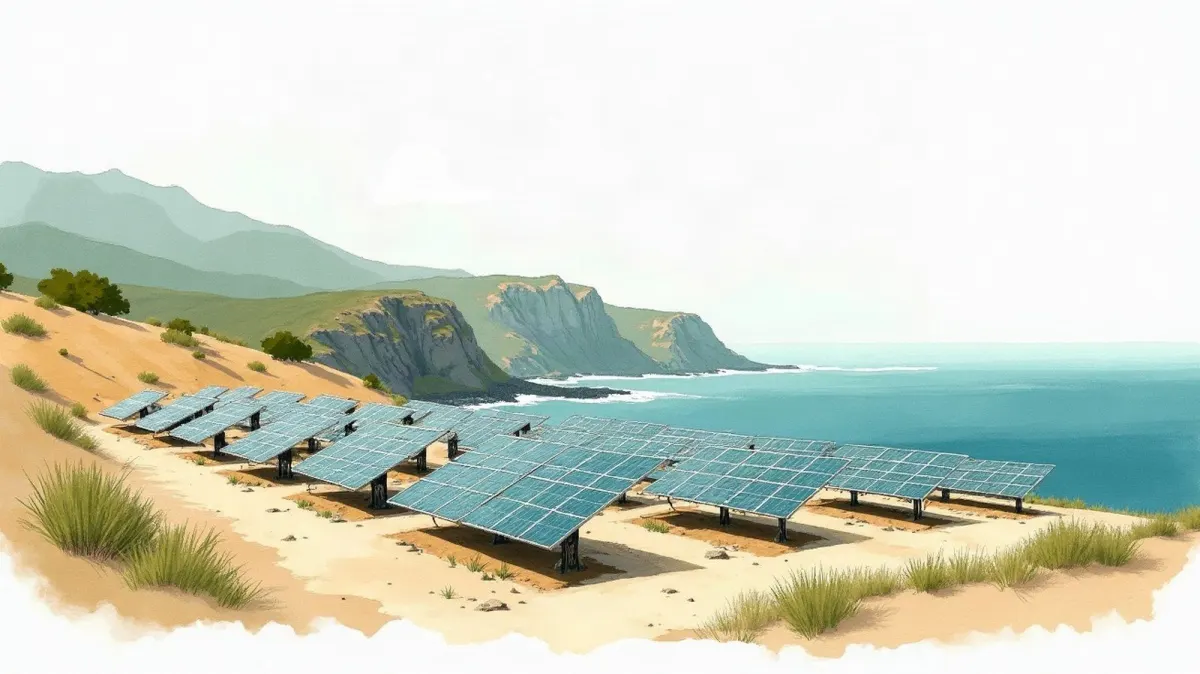
Nusa Penida — PLN reviewed the island's smart microgrid on 15 September 2026, examining how solar generation, battery storage and diesel units are coordinated to keep electricity reliable on the tourist island, according to reporting on the visit. The system combines the 3.5-megawatt-peak Suana solar plant with a 1.8-megawatt-hour battery energy storage system and existing conventional generation.
The review involved PLN and Indonesia's Directorate General of Electricity, according to multiple reports on the visit. It covered the Smart Microgrid, the battery system, the Suana Solar Power Plant and the central control room, where operators monitor and dispatch power in real time.
The reported configuration is designed to balance intermittent solar output with demand at times when sunlight is unavailable. Solar power charges the battery when production is high, and the battery can then release electricity later, while diesel generation remains available to support supply stability.
What the system includes
- Solar generation: 3.5 MWp at the Suana plant.
- Battery storage: 1.8 MWh BESS.
- Conventional backup: diesel generation remains part of the island's electricity system.
- Control: integrated monitoring and dispatch through the Smart Microgrid.
Reliability remains the priority
PLN's Bali distribution operations team said the main challenge is not only adding renewable capacity but also ensuring that each source can respond to customer demand and network conditions. The review focused on system management as well as installed equipment.
A representative from the Directorate General of Electricity described the island's setup as a practical example of operating multiple energy sources within one network. The reported experience could inform other island systems, although any wider application would depend on local grid characteristics and demand patterns.
The smart microgrid on Nusa Penida is presented as a coordinated renewable-and-backup system rather than a solar-and-battery-only network. Diesel units continue to support reliability while the solar plant and battery reduce dependence on conventional supply during suitable conditions.
Reports on the visit did not provide the battery's discharge duration, annual solar output or the share of island electricity supplied by solar power. They also did not state how often diesel units operate or quantify any change in fuel use.
The review comes as tourism-dependent islands across Indonesia look for ways to expand renewable energy without weakening grid stability. Nusa Penida is now being used as a live example of how solar, storage and conventional generation can be managed together in an islanded system.
Sources
Read next
More on this story

Environment
Denpasar to involve traditional villages in river-waste monitoring
Denpasar plans to involve traditional villages in monitoring rubbish dumped into rivers after heavy rain filled Tukad Badung with waste and raised con…
Most read in Environment

Related