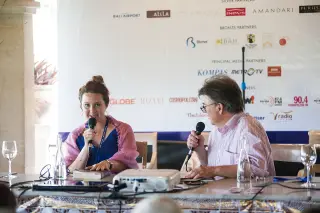

Ubud Art Collect gathers 39 artists and 4,863 visitors in a village pavilion
Held from 4–6 September 2026 at Wantilan Ubud, Ubud Art Collect brought 39 artists and 4,863 visitors together in a village pavilion, mixing traditional painting, contemporary practices and multiple generations in a market-style art…
By Mukmin John
Editor: Mursyid Sonsang
· 4 min read
Ubud — Ubud Art Collect brought 39 artists from Ubud and surrounding areas into Wantilan Ubud for a three-day public art event from 4–6 September 2026, drawing 4,863 visitors to view works, meet artists and engage with the local creative ecosystem, according to reports from Tatkala and Bali Tourism Now.
Organisers described the gathering as a mini art market rather than a conventional exhibition, positioning the wantilan — a communal pavilion at a busy crossroads in central Ubud — as a meeting point for artists, galleries, studios, collectives and the public. Visitors could explore works, speak directly with the people who made them and consider collecting pieces, while organisers emphasised conversation and exchange alongside transactions.
The event was supported by Desa Adat Ubud, which allowed the village pavilion to be temporarily transformed from a space associated with ritual and banjar meetings into a venue for contemporary art and public discussion about Ubud’s creative life. Coverage in Indonesian arts media framed the initiative as both a celebration of Ubud’s artistic heritage and a test of how an adat space can host a diverse, modern audience.
Event data – Dates: 4–6 September 2026 – Venue: Wantilan Ubud – Participating artists: 39 – Recorded visitors: 4,863 – Sales data: organisers did not publish the number or value of works sold.
Tradition and new practices
Tatkala’s feature on the event notes that the works on display reflected several strands of Balinese and Ubud art history, including Ubud painting, the Batuan and Keliki traditions, and the Young Artist movement linked to Penestanan. Art Nusantara similarly described the event as a mosaic of practices that brought historical lineages into dialogue with newer materials and ideas.
Among the artists highlighted were twin brothers Ketut Sumadi and Wayan Mandiyasa from Banjar Kutuh Kaja in Ubud, whose participation was presented as an example of how artistic identities develop within close community ties. The article also identified Agung Dewi Monalisa as extending Ubud painting in a style influenced by Walter Spies, while I Gusti Nyoman Darta, a grandson of renowned Ubud artist I Gusti Nyoman Lempad, continued a family connection to the region’s artistic traditions through his own work.
The Young Artist lineage was represented by Ngurah KK, who Tatkala reported had received direct guidance from Dutch-born painter Arie Smit, long associated with Penestanan’s art scene. Other participating artists brought more explicitly contemporary approaches: I Made Arya Palguna with multidisciplinary work combining Balinese aesthetics and current perspectives, textile-based pieces by Sakde Oka using fabric, thread and embroidery, and contributions from Made Aswino Aji, noted for involvement in alternative art spaces and initiatives in Indonesia.
A public-facing format
The range of work extended beyond painting. Tatkala reported that Made Griyawan and Aris Sarmanta represented the Batuan tradition, while Nano Ari was associated with Keliki painting. Ceramic artist Sekarputi Sidhiawati showed work alongside Agugn and A Jasmine, two artists who live and work in Ubud and were featured as part of the local ecosystem of studios and creative practitioners.
According to Tatkala, visitors moved between display panels and works inside the wantilan, pausing to discuss pieces, examine them closely or take photographs, in an atmosphere closer to a marketplace or village gathering than a formal gallery. The open-sided pavilion and its direct relationship with surrounding architecture and street life were cited by both Tatkala and Bali Tourism Now as central to how the event felt integrated into everyday Ubud rather than isolated from it.
Co-founder Bagus Ari Maruta was quoted as saying the event was intended to be less formal, enabling people to see works, meet artists and discover pieces they valued, while co-founder Gustra Adnyana described the platform as a way to bring different generations and approaches together and make art more accessible.
Coverage in Art Nusantara and Balihbalihan characterised Ubud Art Collect as part of a broader effort to present Ubud’s art ecosystem as active and evolving, at a time when Bali is preparing to mark a century of tourism in 2027.
In this reading, the event served not only as a market but also as a public statement about Ubud’s ongoing artistic identity.
Sources
- Tatkala – "Ubud Art Collect: Ketika Seni dan Ekosistem Kreatif Ubud Bertemu Publik dalam Ruang yang Lebih Dekat"
- Bali Tourism Now – "Ubud Art Collect Creates A New Meeting Point For Art and Ubud’s Creative Ecosystem"
- Art Nusantara – "Ubud Art Collect: Celebrating the Mosaic of Art at the Crossroads of Culture"
Next story
ARMA Fest 2026 opens in Ubud with 895 Balinese artists
ARMA Fest 2026, the fourth edition of the arts festival at ARMA Museum Ubud, opened on Saturday, 19 September, bringing hundreds of Balinese artists t…
Related