
Bali Groups Call for Tourism Review as Rice Fields Shrink
Three Bali organizations called for a tourism-development evaluation and moratorium as rice-field area fell from 70.996 hectares in 2019 to 64.474 hectares in 2024.
By Mukmin John
Editor: Mursyid Sonsang
· 2 min read
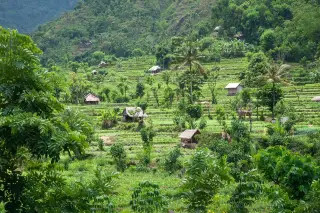
Denpasar — Three Bali organizations have called for an evaluation of tourism development and a moratorium, citing pressure on agricultural land, water resources and waste on Sept. 21. Bali Post reported that productive rice fields declined across the province between 2019 and 2024.
The change comes as data attributed to the Bali office of the National Land Agency showed productive rice-field area falling from 70,996 hectares in 2019 to 64,474 hectares in 2024, a loss of about 6,522 hectares. The report also said land conversion was occurring at an average rate of 1,254 hectares a year through the end of 2025.
Why Bali’s land debate matters to visitors and foreign residents
For a foreign resident or visitor, the issue concerns the landscape and infrastructure behind Bali’s tourism economy. Productive rice fields are agricultural land, not automatically available for hotels, villas or other tourism projects. Development decisions can affect water demand, waste management and the continuity of farming areas that visitors encounter outside resort districts.
The Bali Post report said environmental organizations were urging the provincial government to assess tourism development and consider a moratorium in response to concerns about land and water crises. It also linked the debate to waste generated by tourism.
The provincial government has introduced measures intended to control conversion of productive land and prevent nominee ownership, in which property is held in another person’s name. The report identified Provincial Regulation No. 4 of 2026 as a measure covering control of productive-land conversion and a prohibition on transferring land ownership through nominees.
These measures mean that land-use questions are governed by zoning and ownership rules rather than by the demand for new accommodation alone. A foreign national considering residence or investment in Bali is affected in practice because the legal status of the land, the permitted use and the ownership structure are separate questions from whether a project serves tourism.
The reported figures describe a provincial trend, not a finding that every rice field has been converted for tourism. Other causes and forms of land-use change may also contribute, and the cited reports do not establish that tourism alone caused the entire decline.
Sources
Read next
More on this story

Tourism & Hospitality
Ngurah Rai Airport Schedules Three-Scenario Emergency Exercise
Ngurah Rai International Airport will hold a coordinated emergency drill on Sept. 23, testing responses to a building fire, a security disturbance and…
Latest in Explainers & Data
Related