
Bali’s October drought forecast puts rice planting under pressure
Bali’s October rainfall is forecast at 0–100 millimetres, with insufficient water for rice. Conditions are expected to improve from December 2026 through February 2027.
By Mukmin John
Editor: Mursyid Sonsang
· 2 min read
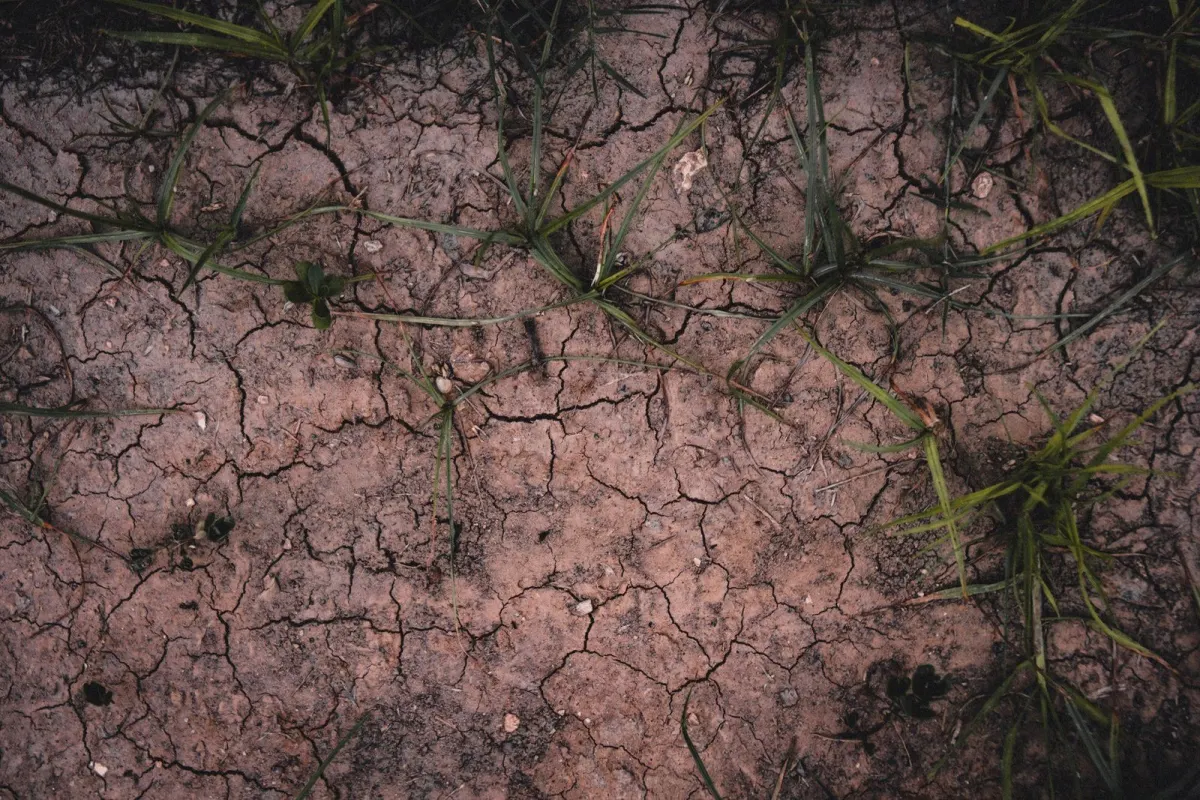
Singasana — Bali’s latest 2026 rainfall forecast puts October precipitation at 0–100 millimetres, while water availability for rice is expected to remain in the insufficient category, according to the Bali Climatology Station forecast reported on Sept. 29.
The change comes as the dry season continues to constrain farming conditions across the island. September rainfall was forecast at 1–50 millimetres, and the limited water supply could affect both paddy productivity and the area farmers are able to plant.
Why Bali’s October water outlook matters to residents and visitors
For foreign residents and visitors, the forecast is relevant because rice production affects a staple food in Bali’s households, restaurants and food markets. The reports do not state that shortages have already occurred or quantify any decline in supply. They describe a production risk linked to two factors: farmers may be unable to prepare fields and nurseries on schedule, while already planted rice could produce less if drought affects vegetative growth or panicle formation.
According to the report, October could be the most critical period, particularly for rice fields that depend on rainfall or have limited water sources. The forecast classifies water availability for rice as insufficient in both September and October 2026.
The rainfall outlook is not uniform across the wider season. Water availability is expected to improve from December 2026 through February 2027 as the rainy season arrives, with the peak expected in January and February 2027. The same report notes that heavier rain could then bring different risks, including local flooding, standing water and increased crop pests.
The size of any eventual production decline cannot yet be calculated from climate conditions alone. The assessment says that farm-area data, irrigation flows, actual planting patterns, rice varieties, planting calendars and district-level rainfall forecasts would also be needed.
Sources
Read next
More on this story
Tourism & Hospitality
Coalition report raises welfare concerns at Bali wildlife venues
A coalition report released on October 1 says field investigations found inadequate enclosures, restricted animal movement and direct visitor contact…
Most read in Explainers & Data

Related