

Ngurah Rai Airport lost property: reporting channels for travellers
At Bali’s Ngurah Rai International Airport, travellers should report lost items either to the airport information or lost-and-found desk or to their airline, depending on where the item disappeared.
By Mukmin John
Editor: Mursyid Sonsang
· Event date: · 5 min read
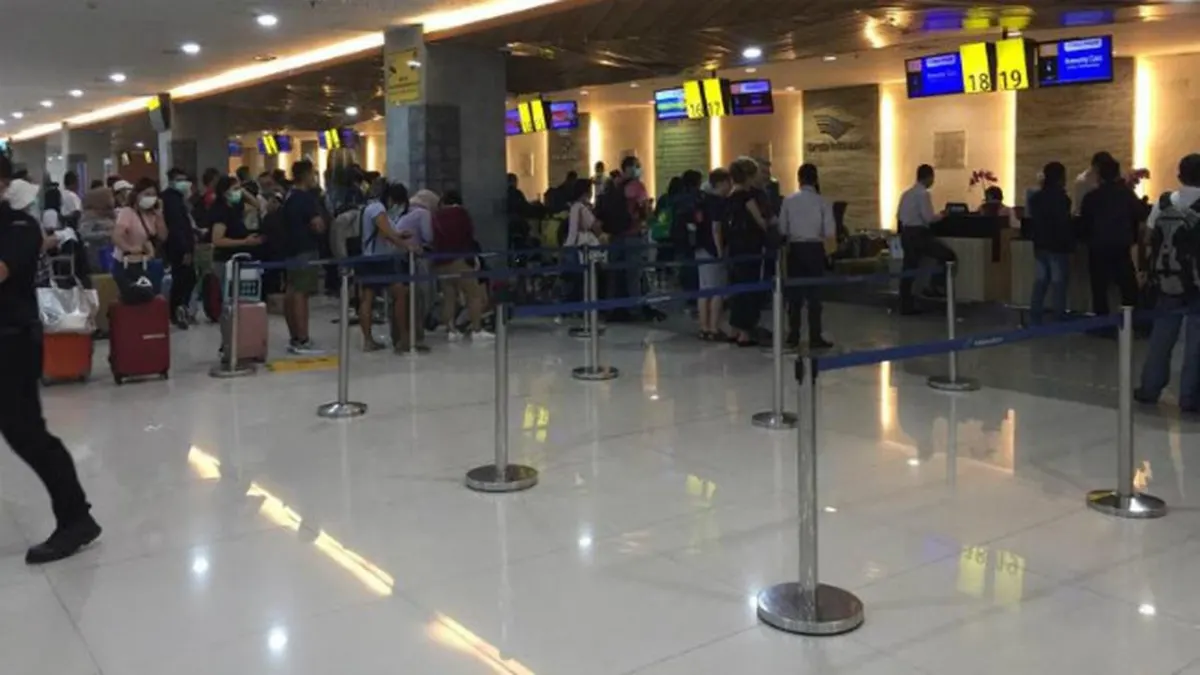
Denpasar — — Travellers who lose belongings at I Gusti Ngurah Rai International Airport should report the loss first to the airport’s own information or lost-and-found service for items missing in terminals, and to the relevant airline for baggage or items left on board. The key details to prepare are the flight number, where the item was last seen and a clear description of the lost property, according to airport information guides and lost-property services.
Public information from Bali-focused travel guides and independent lost-property services indicates that Ngurah Rai’s lost-and-found handling depends on where the loss occurred, and that passengers may need to deal with both airport staff and airline representatives.
Start with where the item disappeared
If an item was last seen in a terminal, gate or waiting area, Bali Advice recommends going to the airport information desk or lost-and-found office as soon as possible and giving staff a detailed description of the item and where it was probably left, along with contact details so staff can reach the traveller if it is handed in later, according to Bali Advice’s airport guide.
Travel guides describing Ngurah Rai’s facilities say information desks are located in the arrivals areas of both terminals, and that left-luggage facilities near the entrance of the international terminal double as the airport’s lost-and-found office. The airport contact centre and lost-and-found number are listed as +62 361 935 1011, with the contact centre email cc172@ap1.co.id.
Independent lost-property services explain that several operations may become involved in a case, including the airport operator, airline, ground-handling companies and security personnel, depending on whether the loss occurred at check-in, security screening, boarding gates, baggage belts, lounges, restaurants or shuttle buses. Passengers who lose items at security checkpoints or in public areas are advised to tell the information or lost-and-found desk exactly where the item was last seen so staff can direct the report to the appropriate internal unit.
Items lost near boarding gates or in waiting areas should also be reported first to airport staff, including the terminal, gate number if known and the approximate time of loss, rather than assuming that anything found near a gate automatically falls under an airline’s system.
Use airline channels for aircraft and baggage losses
If a phone, passport, wallet, headphones or other possessions are left inside the aircraft, Bali Advice and other guides state that passengers should contact the airline directly, as airlines normally operate their own lost-property procedures through local offices or handling agents.
The report should include the flight number, seat number, travel date and a detailed description of the item, and be made as soon as the loss is noticed, because the aircraft may have departed and the item may need to be traced through airline or ground-handler channels.
Ngurah Rai’s official information pages advise that passengers who lose baggage should contact airline staff at the lost-and-found counter in the terminal. Academic case studies of baggage handling at the airport describe how airline or handling-company lost-and-found units process delayed or missing baggage reports using standard property irregularity reports and follow-up procedures, in line with transport regulations.
A checked bag that does not arrive at the baggage belt should therefore be treated separately from a phone or passport left on a plane seat: the airline operating the relevant flight, or its appointed handling company, is the primary contact for baggage and onboard items.
Information to have ready
- Item: brand, colour, size, model and any distinctive marks.
- Place: where the item was last seen, such as terminal, gate, security area, seat, baggage belt or aircraft.
- Time: approximate date and time of the last sighting.
- Travel: airline, flight number, seat number and travel date.
- Contact: full name, telephone number and email address.
- Ownership: photographs or proof of ownership for valuable items, if available.
After making the report
Independent recovery services that work with Ngurah Rai warn that items may take hours or days to be logged, classified or transferred between departments, and that passengers should keep copies of their reports and note when and where they filed them so they can follow up consistently.
Lost passports and other identity documents may involve airport security, police and airline staff as well as the lost-and-found unit, depending on the circumstances, and may require additional verification of ownership before collection.
Travellers should distinguish official airport and airline channels from private recovery services. Deliverback and similar companies state that they are not the airport’s own lost-and-found office but private intermediaries that submit claims and liaise with airport and police departments on behalf of passengers. Passengers can choose whether to work only through airport and airline contacts or to use a private service in addition.
Context
Ngurah Rai is the main airport serving Bali’s domestic and international traffic, and public guides describe its lost-property handling as dependent on the location of the loss rather than a single universal process. Bali Advice’s guidance separates terminal losses, where the airport information or lost-and-found desks are the first contact, from items left on aircraft, where the airline is the primary channel.
Airport and airline information pages add that baggage claims are handled by airline staff or specialist lost-and-found units, while private services offer additional support to trace and recover items.
Sources
- Kupi Bali Ngurah Rai airport guide
- World Travel Guide – Denpasar Ngurah Rai Airport profile
- Bali Advice – Bali Airport Lost & Found
- Ngurah Rai Airport official departure/international flight information
- Politeknik Negeri Bali academic thesis on delayed baggage handling (Turkish Airlines)
- Deliverback – Ngurah Rai Airport Lost and Found
- Lost-found.org – Denpasar Ngurah Rai International Airport lost property
- Gusti Ngurah Rai airline lost and found contacts listing
- Cebu Pacific
- BelongBack
Next story

Sanur Leads Bali Hotel Absorption as Ubud Faces Sharpest Decline
Sanur recorded Bali’s strongest hotel absorption balance in a new market monitor, while Ubud saw the steepest decline. The study projects Sanur to lea…
Related