
Bali’s Suwung septage plant faces treatment and storage constraints
Bali officials are addressing queues and wastewater-quality problems at Suwung’s septage plant, where temporary storage may rise to 1,000 cubic metres daily while treatment remains capped at 400.
By Pandi Muktar
Editor: Mursyid Sonsang
· 2 min read
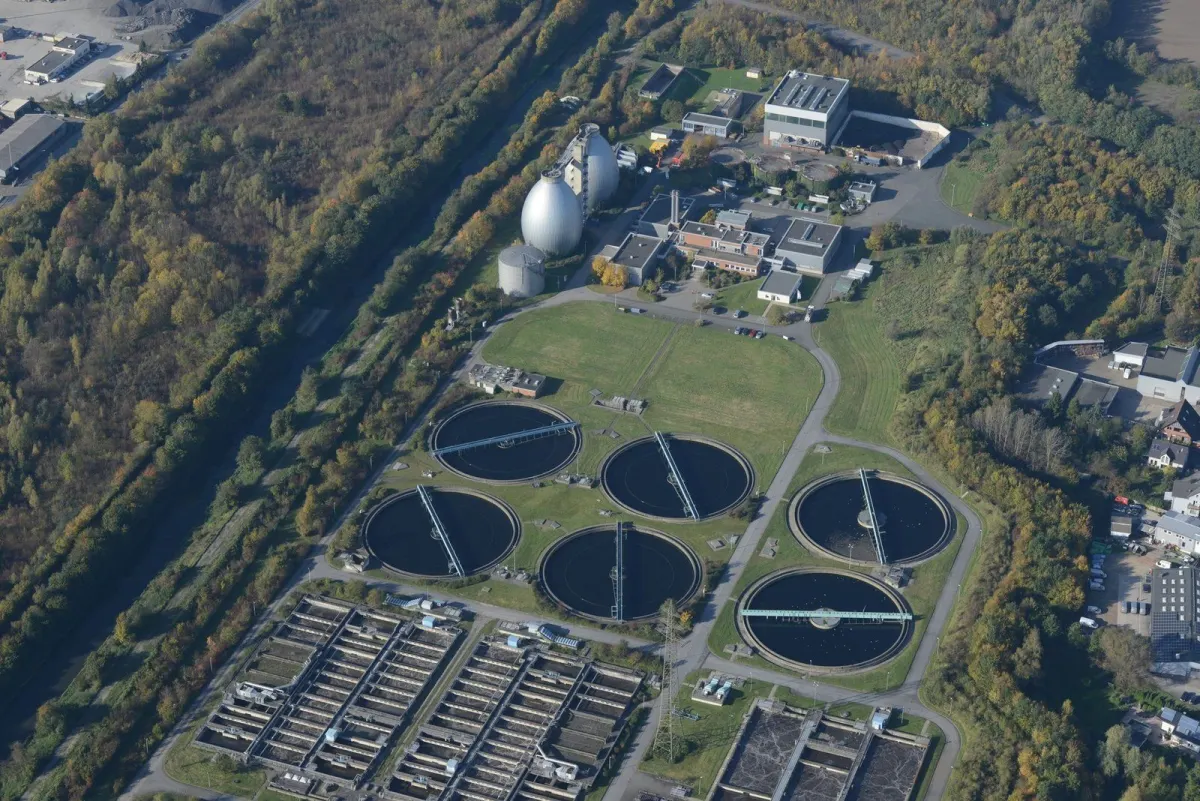
Suwung — Bali’s Suwung septage-treatment facility faced capacity and processing constraints during a coordination meeting with the Bali Regional House of Representatives on Friday, November 6, 2026, as officials addressed truck queues, limited service and wastewater quality.
Why it matters: Tankers may face queues and restricted access, while temporary storage could reach 1,000 cubic metres per day without raising core treatment capacity above 400 cubic metres.
The facility’s installed treatment capacity is 400 cubic metres per day, but high organic loads mean its treated effluent still exceeds environmental quality standards, according to I Putu Sujana, head of the Bali provincial wastewater-management technical unit.
Sujana said the facility’s theoretical receiving capacity was about 130 trucks per day, based on an average truck volume of 3 cubic metres. The capacity to receive incoming waste, however, is different from the capacity of the treatment process itself.
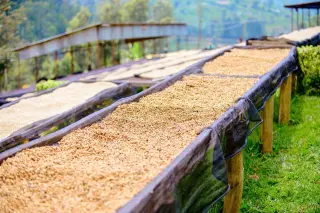
The unit is preparing to use sludge-drying beds as temporary holding areas. One bed can hold about 330 cubic metres, while several beds could provide temporary storage of up to 1,000 cubic metres per day, Bali Post reported.
That arrangement would reduce truck queues and ease problems at the receiving stage, where accumulated rubbish and grease had previously disrupted operations. It would not increase the main treatment process beyond 400 cubic metres per day.
During the same meeting, Bali lawmakers discussed restricted operating hours and limits on the number of tankers allowed into the facility. A waste-hauling association said its registered fleet numbered about 165 vehicles and alleged that some septage could be disposed of improperly when trucks could not access the plant.
Officials also considered expanding receiving capacity to 1,000 cubic metres per day, but the proposed increase would apply to temporary storage and intake, not to the facility’s core treatment capacity.
What it means
The proposed storage changes could ease tanker queues, but Suwung’s main treatment process would remain limited to 400 cubic metres per day, while effluent-quality problems are addressed.
Sources
Read next
More on this story

Environment
Gianyar police and residents clear river blockage after flooding
Gianyar police, residents and local agencies cleared debris from a river at Pura Demungan on November 6 after flooding and heavy rain raised concerns…
Most read in Environment

Today’s top story

Related