
Bali’s Suwung wastewater facility struggles with high organic loads
Bali officials said the Suwung facility is struggling with high-strength kitchen wastewater, while treated water remains above the domestic BOD limit and is being recirculated rather than discharged.
By Pandi Muktar
Editor: Mursyid Sonsang
· 2 min read
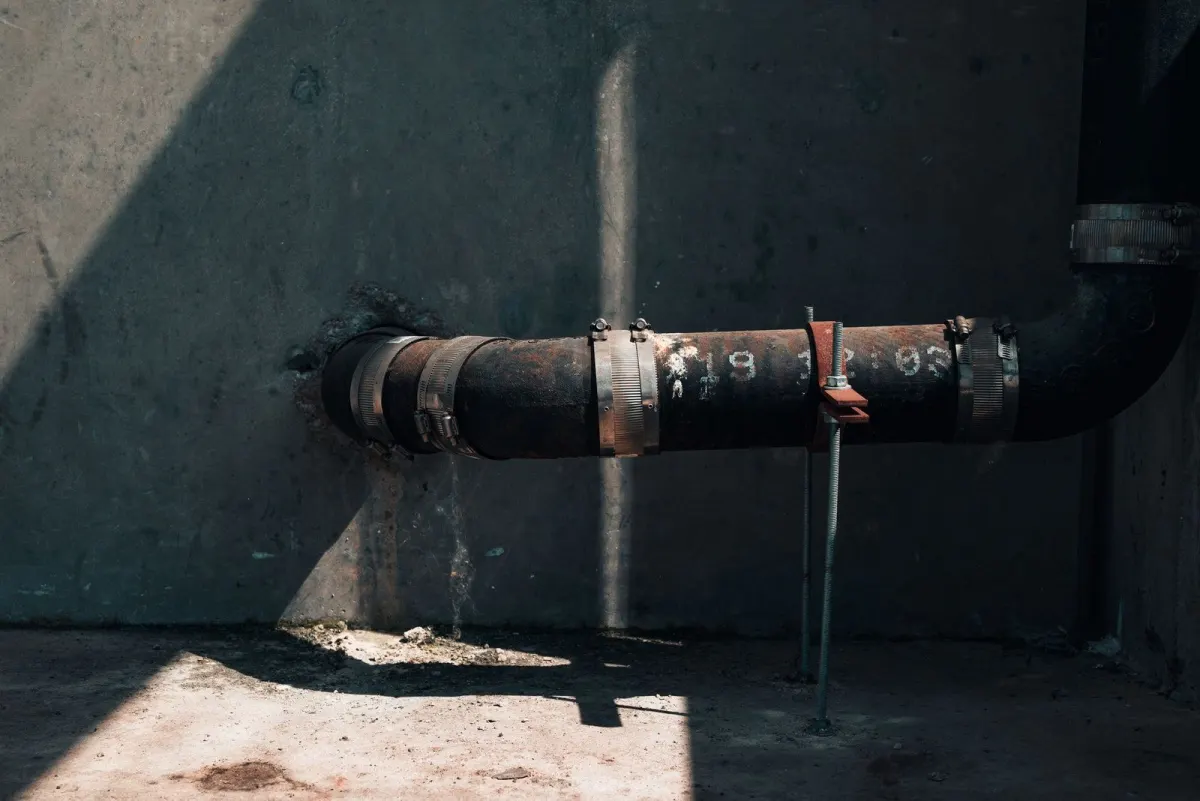
Suwung wastewater treatment facility — Bali’s public works agency said on Friday, 6 November 2026, that the Suwung sludge-treatment facility was not operating optimally because of high organic loads, while lawmakers reviewed its operation and maintenance in Denpasar.
Why it matters: Wastewater from restaurants, food businesses, hotels and households is being treated at Suwung, but the reported BOD level remains above the 30-parts-per-million domestic limit.
More than 60% of incoming waste was reported to come from kitchens, particularly restaurants and other food businesses, with high grease content. Tests cited by the Bali Public Works, Spatial Planning, Housing and Settlement Areas Agency found incoming organic loads of about 25,000 to 35,000 parts per million.
The agency said treated water still contained biological oxygen demand, or BOD, of about 500 to 1,000 parts per million. That exceeded the applicable domestic-wastewater limit of 30 parts per million, according to Bali Post and a technical study citing the national domestic-wastewater standard.
Agency official I Made Sujana said the facility should not yet release the treated water into waterways because it did not meet the required standard. The water was instead held and recirculated through the treatment system for dilution and mixing with other wastewater, Bali Post reported.
The facility was originally designed to process domestic wastewater from bathrooms, toilets, washing and kitchens. The provincial agency said the system’s capacity had been increased from 100 cubic metres to about 500 cubic metres, but officials said the highly variable composition of incoming waste had repeatedly damaged treatment equipment.
At a coordination meeting involving Bali’s legislature and Commission III, officials also said incoming waste volumes could reach about 250 cubic metres per day during certain periods. The facility receives waste associated with households, hotels and restaurants, while hazardous and toxic waste must not be mixed with domestic wastewater.
The provincial government said it wanted private treatment facilities to resume operations to help manage the volume entering Suwung. Officials said treated water must meet the applicable standard before being returned to the environment.
Sources
Read next
More on this story
Environment
Denpasar to involve traditional villages in river-waste monitoring
Denpasar plans to involve traditional villages in monitoring rubbish dumped into rivers after heavy rain filled Tukad Badung with waste and raised con…
Most read in Environment
Related