

BMKG puts Lombok and Sumbawa under top drought alert
BMKG’s September bulletin puts districts across Lombok and Sumbawa in its highest drought tier. The agency cites strong El Niño conditions and prolonged lack of rain across West Nusa Tenggara.
Editor: Mursyid Sonsang
· 4 min read
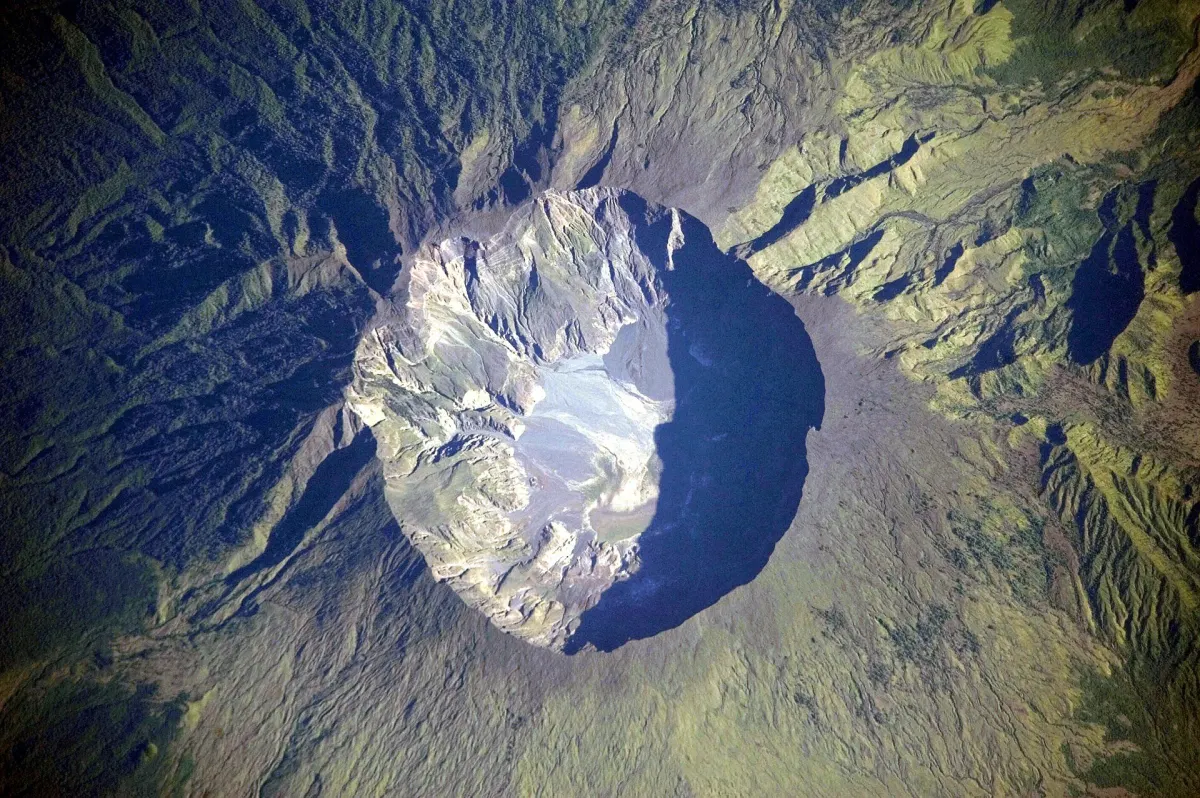
Sumbawa — Indonesia’s meteorological agency has placed all major districts on Lombok and Sumbawa under its highest drought alert category for mid-September, warning of severe meteorological drought across much of West Nusa Tenggara.
The change comes as the Badan Meteorologi, Klimatologi, dan Geofisika (BMKG), Indonesia’s national weather and climate agency, updates its early warning bulletin for meteorological drought for the second ten-day period of September, citing a strong El Niño and prolonged lack of rain across large parts of the country.
In its national drought early warning table for the 11–20 September period, BMKG categorises multiple areas of Nusa Tenggara Barat in the top "Awas" (warning) tier, listing Kabupaten Lombok Barat, Lombok Timur, Lombok Utara, Sumbawa, Sumbawa Barat, Bima, Dompu and Kota Bima among the districts facing the most severe drought risk. The same bulletin shows additional parts of Nusa Tenggara Barat, including Kota Mataram and Kabupaten Lombok Tengah, in the "Siaga" (alert) tier, indicating significant but slightly lower drought risk.
For neighbouring Nusa Tenggara Timur, BMKG’s drought table places a wide swath of districts into Waspada (caution), Siaga and Awas categories, including areas such as Malaka, Ende, Manggarai, Manggarai Barat, Manggarai Timur, Rote Ndao, Sabu Raijua, Sikka, Sumba Barat, Sumba Barat Daya, Sumba Tengah and Timor Tengah Selatan, with other districts such as Alor also listed under drought alerts.
BMKG’s highest drought tier covers most of Lombok and Sumbawa
For foreign residents and visitors, BMKG’s "Awas" status signals that large parts of Lombok and Sumbawa are experiencing very long dry spells with a high probability of continued low rainfall. BMKG defines its drought tiers using the number of consecutive days without rain and the probability of very low precipitation: areas in the highest tier typically record more than about two months without effective rainfall, with a strong likelihood that dry conditions will persist.
Local coverage from Nusa Tenggara Barat underscores the practical impact of this warning. A regional report notes that, for the third ten-day period of September (21–30 September 2026), most of West Nusa Tenggara is forecast to receive less than a 10 percent chance of rain, and that BMKG has issued no heavy-rain warnings for the province during that window.
The report highlights that meteorological drought warnings already place districts including Lombok Barat, Lombok Timur, Lombok Utara, Sumbawa Barat, Sumbawa, Dompu and Kabupaten Bima under Siaga and Awas levels, confirming a broad, province-wide dry spell.
In practical terms, visitors to Lombok and Sumbawa should expect very dry landscapes, strict local water-use controls and a heightened risk of brush and forest fires, particularly in rural areas and near agricultural land. Households and accommodation providers may impose limits on non-essential water use such as gardening or frequent laundry, and some smaller communities could face scheduled water distribution if reservoirs and groundwater supplies remain under stress.
BMKG’s national guidance on Nusa Tenggara Timur adds a wider regional context. A separate report on NTT notes that 212 subdistricts across the province are under drought threat, with dozens classified at the Awas level, and explains that BMKG’s categories reflect potential dry spells of more than 21, 31 or 61 days depending on whether an area is in Waspada, Siaga or Awas.
Taken together with the West Nusa Tenggara alerts, the data point to a broad belt of severe dryness stretching from Lombok and Sumbawa eastwards through Flores and Sumba.
The current warnings are part of a series of national drought advisories BMKG has issued through August and September in response to an unusually strong El Niño pattern. In those analyses, BMKG highlights southern Sumatra, Java, Bali, Nusa Tenggara and large parts of Kalimantan, Sulawesi and Papua as regions with elevated drought risk, emphasising that many areas have already moved into the Siaga and Awas tiers as the dry season has intensified.
Local authorities in Lombok and Sumbawa have not yet detailed new measures, but BMKG’s classification framework suggests that, if dry conditions and high temperatures continue, regional governments could expand restrictions on water use, adjust farming calendars, or step up fire-prevention patrols. For now, the formal status change is a technical step that confirms what residents and long-term visitors will already have noticed: the dry season in West Nusa Tenggara has become both longer and more intense than usual.
Sources
Read next
Latest in East Indonesia Desk
Flores quake and aftershocks lead to permanent closure of Nuca Molas lighthouse
A magnitude 7.7 quake off Flores on 15 August 2026 damaged infrastructure and triggered a tsunami.
Today’s top story
Related