
Gilimanuk Cleans Up Waste Left by Ferry-Port Queues
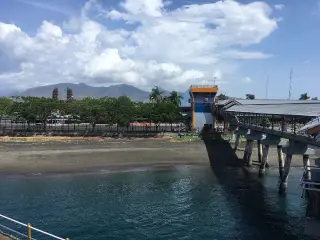
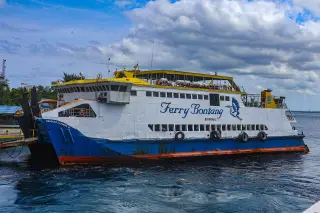
Queues heading to Gilimanuk’s ferry port have increased refuse along the Denpasar–Gilimanuk road and residential lanes, prompting extra sanitation work and more frequent waste collection.
By Pandi Muktar
Editor: Mursyid Sonsang
· 2 min read
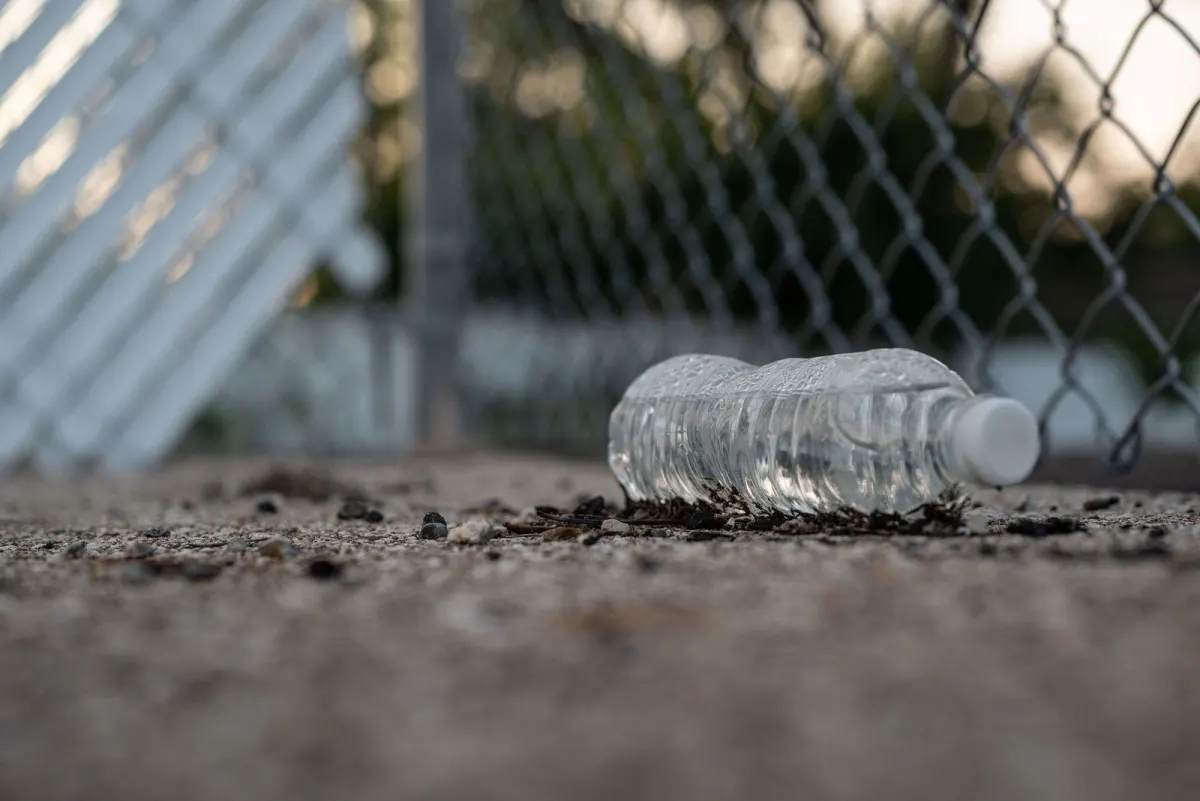
Gilimanuk — An extended vehicle queue heading to Pelabuhan Gilimanuk has left inorganic waste, household refuse and unpleasant odors along the Denpasar–Gilimanuk road and nearby residential routes, prompting additional cleanup by Kelurahan Gilimanuk sanitation workers.
The cleanup follows a sharp increase in refuse whenever vehicles queue for the crossing. The reported waste includes about half a ton of inorganic material and residue along the road, while sorted waste from residential areas used by vehicles exceeded one ton. In the three days before Sept. 23, workers transported three to four containers, with collection from some points increased to twice a day.
Why the Gilimanuk waste matters to travelers and residents
For foreign visitors and residents, the report describes a practical consequence of congestion at Bali’s western ferry gateway: traffic delays are accompanied by deteriorating sanitation outside the port. Alternative routes through residential neighborhoods have also become affected, extending the problem beyond the main road.
Ida Bagus Tony Wirahadikusuma, the head of Kelurahan Gilimanuk, said the waste left by road users had increased substantially during severe congestion. The reports also describe people urinating and defecating beside roads and in residential lanes because of limited sanitation facilities, creating strong odors for residents and workers.
The area identified in the reports runs from the main Denpasar–Gilimanuk route to residential lanes used as alternative passages. Kelurahan Gilimanuk is the local administrative office responsible for the area. The reports say the kelurahan has urged PT ASDP Indonesia Ferry, the state-linked ferry operator, to provide concrete support, including waste bins and portable toilets at vulnerable queue points.
The reports do not state that the cleanup has ended or provide a final timetable for additional facilities.
Sources
Read next
Latest in Environment
Bali floods in Seminyak: what causes them and why the area keeps flooding
Seminyak floods are usually triggered by extreme rain, low-lying terrain and Tukad Mati backflow, making the resort area prone to rapid street inundat…
Today’s top story
Related