

IMO designates Nusa Penida and Gili Matra as a Particularly Sensitive Sea Area
The IMO has designated the Nusa Penida and Gili Matra marine conservation areas as a Particularly Sensitive Sea Area, linking their high biodiversity and heavy shipping traffic to strengthened navigational protection.
By Pandi Muktar
Editor: Mursyid Sonsang
· Event date: · 4 min read
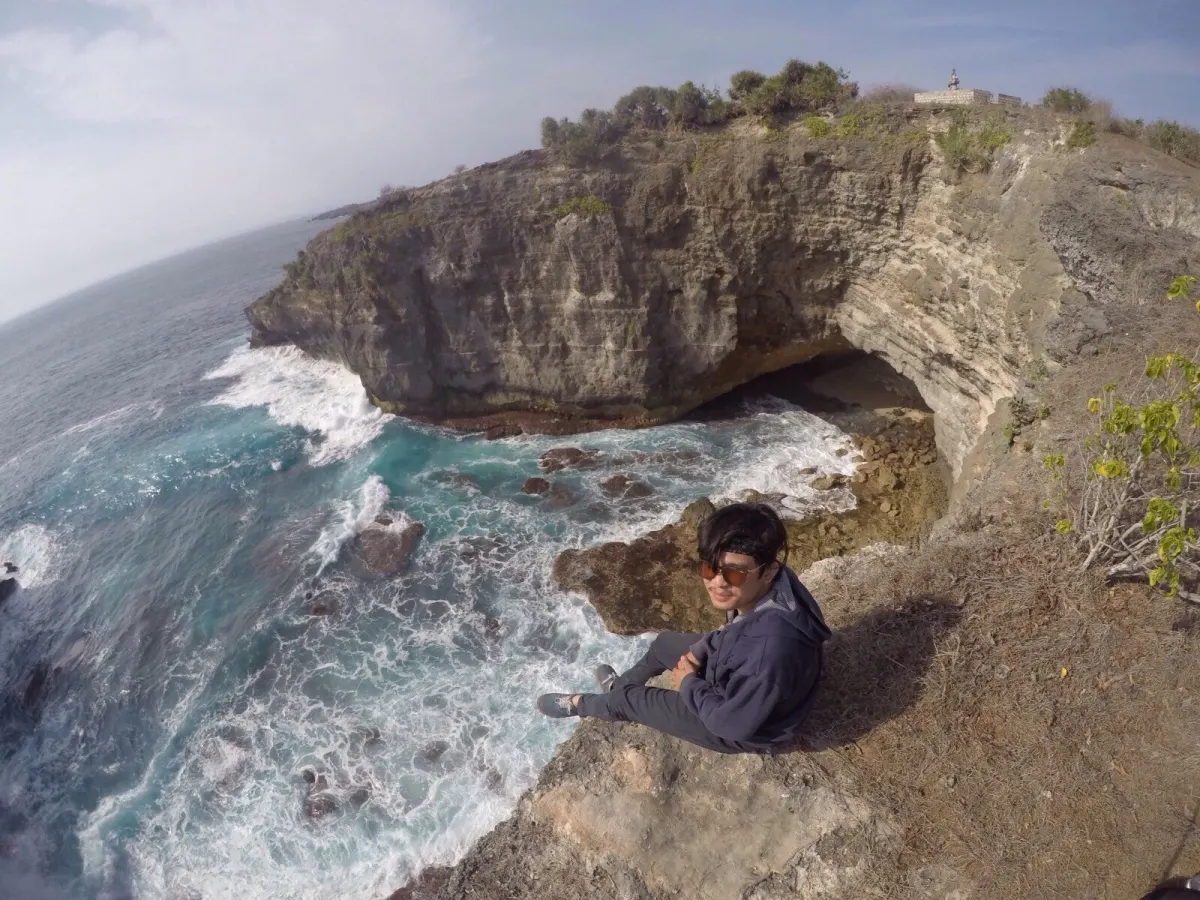
Jakarta — — The International Maritime Organization (IMO) has designated the Nusa Penida Islands in Bali and the Gili Matra Islands in the Lombok Strait as a Particularly Sensitive Sea Area (PSSA) under Resolution MEPC.396(82), adopted on 4 October 2024.
The designation gives international recognition to the ecological, socio‑economic and scientific importance of the two marine conservation areas and their vulnerability to damage from international shipping, following a proposal submitted by Indonesia.
Indonesia’s Ministry of Marine Affairs and Fisheries (KKP) announced the decision on 10 October 2024, describing it as a milestone in strengthening protection of conservation areas located along the busy Lombok Strait corridor, part of the Alur Laut Kepulauan Indonesia (ALKI II) route.
What the PSSA designation means
Under IMO guidelines, a PSSA is a marine area that requires special protection because of recognized ecological, socio‑economic or scientific significance and vulnerability to damage from international maritime activities.
According to KKP, the Nusa Penida and Gili Matra marine conservation areas lie within the Coral Triangle, a globally recognized marine biodiversity hotspot that supports unique and endangered species and provides ecological, economic and socio‑cultural benefits for surrounding communities.
The designation is linked to Associated Protective Measures (APMs) for shipping rather than an automatic closure of waters to vessels or tourism activity. In this case, the APMs are the traffic separation scheme (TSS) in the Lombok Strait, which was adopted by the IMO’s Maritime Safety Committee and entered into force on 1 July 2019 to improve navigational safety and reduce environmental risk.
Ships transiting the area are called on to exercise particular care and to follow the established routeing systems in the strait, but the resolution does not itself create a blanket ban on passage or tourism around Nusa Penida and Gili Matra.
Shipping pressure in the Lombok Strait
KKP highlighted heavy shipping traffic as a key reason for seeking PSSA status.
The ministry reported more than 77,000 vessel passages through the Lombok Strait in 2023, or around 257 transits per day, with nearly one‑third involving tankers carrying chemicals or oil and container ships. The IMO meeting summary similarly noted that the PSSA aims to safeguard critical habitats and biodiversity while accommodating anticipated growth in shipping traversing the strait.
Indonesia has argued that this combination of high biodiversity and intensive international shipping creates a need for stricter planning and contingency arrangements when vessels pass near conservation areas.
Next steps for Indonesia
KKP stated that Indonesia would adjust management plans, zoning and technical rules for the Nusa Penida and Gili Matra conservation areas to align domestic regulation with Resolution MEPC.396(82) and the associated routeing measures.
The ministry also emphasized the importance of public outreach and coordination with the Ministry of Transportation to ensure that the TSS and other navigational arrangements contribute effectively to protecting nearby conservation and preservation zones.
For shipping companies, the practical impact of the designation is expected to be felt through existing and future navigational measures and contingency planning in the Lombok Strait, rather than through the title of PSSA alone.
For tourism operators and visitors, KKP’s announcement did not set out new access rules, quotas or local permit changes; any adjustments to diving, excursions or anchoring would need to be made through updated management plans and zoning provisions for the conservation areas.
Indonesia’s wider marine conservation strategy
KKP and Indonesian media reporting on the designation noted that Nusa Penida and Gili Matra now make Indonesia one of the countries hosting the world’s 18 IMO‑designated PSSAs.
Officials also linked the move to a broader national strategy to expand marine conservation areas to 30 percent of Indonesia’s waters by 2045, equivalent to about 97.5 million hectares, including plans to seek similar PSSA status for another 11 conservation areas along ALKI routes.
Indonesia’s conservation area database now records the Nusa Penida Marine Protected Area in Bali, and Gili Matra in West Nusa Tenggara, as having been formally designated as PSSAs under IMO Resolution MEPC.396(82).
Sources
- International Maritime Organization – MEPC 82 meeting summary
- Maritime and Port Authority of Singapore – MEPC 82/17/Add.1 (resolution text)
- Hong Kong Marine Department – Marine Department information note on Nusa Penida and Gili Matra PSSA
- Safety4Sea / Lloyd’s Register – Nusa Penida and Gili Matra islands granted new PSSA status
- Ministry of Marine Affairs and Fisheries (KKP) – news article on IMO designation of Gili Matra and Nusa Penida
- AsiaToday.id – “IMO Officially Designates Gili Matra and Nusa Penida as Sensitive Sea Areas”
Next story

Klungkung Pushes SWRO Desalination Plant to Ease Nusa Penida Water Strains
Klungkung regency is partnering with Perumda Air Minum Panca Mahottama and a private operator to build a seawater reverse-osmosis plant in Jungutbatu,…