

Radit Mahindro’s ‘Paras’ Maps a Century of Bali Hospitality Design
Indonesian hotel consultant and writer Radit Mahindro’s book ‘Paras’ charts a century of hospitality and hotel architecture in Bali, from the arrival of Dutch steamships and the first international hotel to today’s global resort landscape.
By Mukmin John
Editor: Mursyid Sonsang
· Event date: · 4 min read
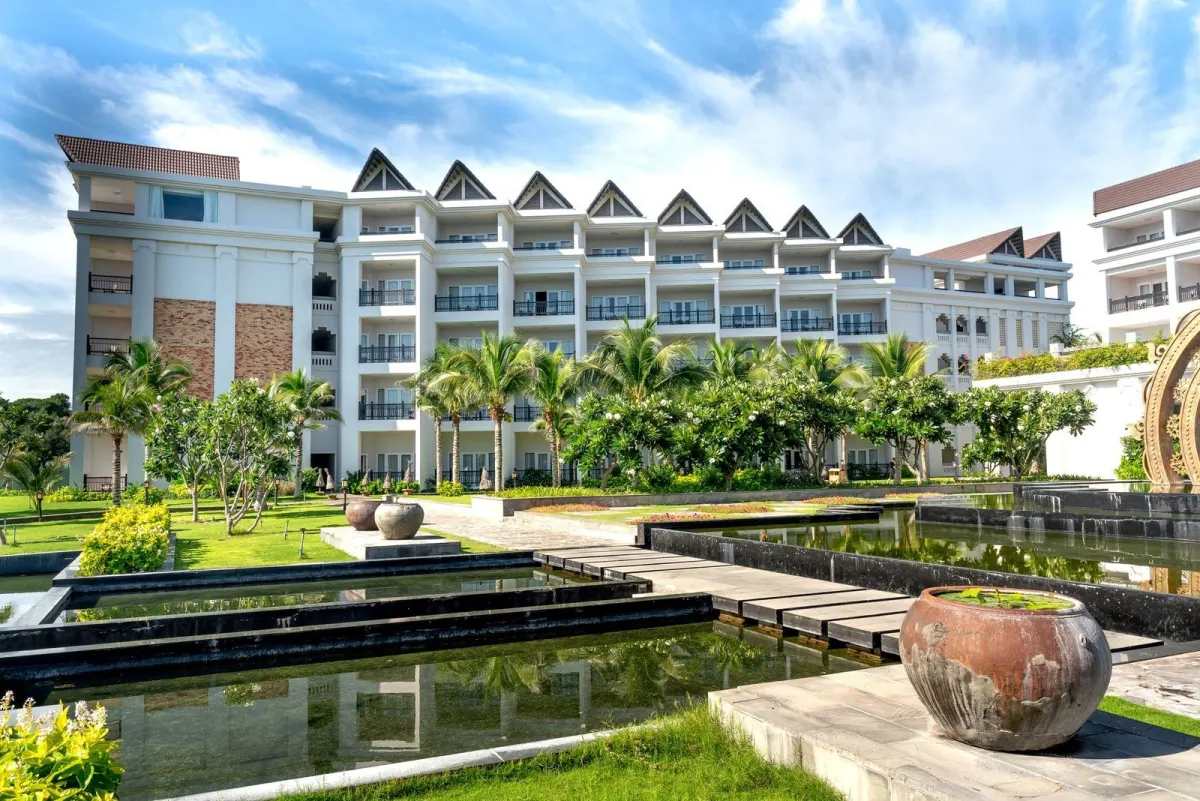
Bali — Radit Mahindro’s book Paras: Documenting 100 Years of Hospitality & Hotel Architecture in Bali chronicles a century of Bali’s hospitality and hotel design, tracing how tourism infrastructure, architecture and the practice of hosting guests have reshaped the island since the 1920s.
The volume was developed over five years and published in April 2025 by Malaysian independent publisher Atelier International, with the launch timed to coincide with World Book Day, International Hospitality Day and the Balinese holy day Galungan, according to the book’s official shop page and Mahindro’s own account.
The book grew out of Paras, an online platform Mahindro co-founded in 2020 to document Bali’s tourism and hospitality evolution. According to an interview with Mahindro, he began writing a ten-part article series during the pandemic, then collaborated with art director Krisna Sudharma and Atelier International to turn the research into a print volume focused on a century of hospitality architecture.
Mapping 100 years of hotel architecture
The official shop description and Mahindro’s statements on professional platforms describe Paras as a 336-page English-language softcover book. The structure is laid out as two introductions, eleven chapters, a series of intermezzo sections and a closing coda, supported by sixteen interviews with designers, architects, hotel owners and hospitality figures. Mahindro characterises the work as a chronological narrative that blends historical background, imagery and essays with first-hand accounts from industry practitioners.
Mahindro identifies the starting point of his century-long timeline as 1924, when the Dutch shipping line Koninklijke Paketvaart-Maatschappij (KPM) expanded its operations in Bali. Accounts on the Paras platform and in design-focused publications link this period to KPM’s establishment of a weekly steamship route connecting Bali with major cities in the Dutch East Indies, and to the construction of early hotel infrastructure catering to visiting explorers and leisure travellers.
Subsequent entries note that Bali’s first international hotel, the Bali Hotel in Denpasar, opened in 1928, marking the beginning of the island’s formal hotel industry.
From this colonial-era transport and branding, the book follows how Bali’s image shifted from “last paradise” for European visitors to a national tourism project in post-independence Indonesia and then to a mainstream global destination. Interviews with Mahindro in regional lifestyle and design media emphasise that the narrative is organised around three broad forces: colonial ambitions, nation-building and globalisation, each leaving distinct marks on the island’s built environment.
Design language, people and place
Paras focuses on hotel and resort architecture as a lens on Bali’s wider transformations. Profiles and interviews referenced in coverage of the book indicate that Mahindro includes conversations with architects and hoteliers associated with key properties and design movements, including figures working on tropical villas, coastal resorts and urban hospitality projects.
Earlier materials about the project also highlight Tandjung Sari in Sanur as an important reference point, describing its home-like scale and hosting philosophy as a contrast to the larger, commercially complex developments that followed.
External coverage of the book underscores how Bali’s hospitality aesthetic has developed through negotiations between local building traditions, imported architectural ideas and evolving landscape practices. Commentators note that Mahindro’s narrative pays attention to how design choices, branding and guest expectations have influenced one another over time, and how tourism-driven development raises questions about cultural preservation and commercial pressure.
The title Paras itself carries layered meanings drawn from Balinese and Indonesian usage. Explanations in interviews and promotional materials point out that the word can refer to a face or surface, a sense of balance, and a kind of sandstone commonly used in decorative carving and construction in Bali. Mahindro uses this metaphor of surface and material to connect appearance, architectural expression and the deeper culture of hospitality.
While the book is presented primarily as a design and industry history, Mahindro and commentators describe it as engaging with broader social and economic contexts. By stretching its timeline from the early arrival of steamships and the first hotels to contemporary resorts and villa culture, Paras invites readers to consider how tourism infrastructure has altered Bali’s economy and landscapes, and how local ideas of place, identity and hosting have in turn shaped the island’s hospitality industry.
Sources
Read next
More on this story

Explainers & Data
How Bali counts tourism: visitors, domestic trips and economic impact
Bali’s visitor economy is counted through different measures. The 2025 official figures separate international arrivals, domestic trips, spending esti…
Most read in Culture & Ceremony

Today’s top story

Related