
AHY Calls for More Balanced Tourism Development in Nusa Dua
Agus Harimurti Yudhoyono urged Bali to align tourism growth with environmental capacity, infrastructure, transport connectivity and fairer development across the island.
Editor: Mursyid Sonsang
· 2 min read
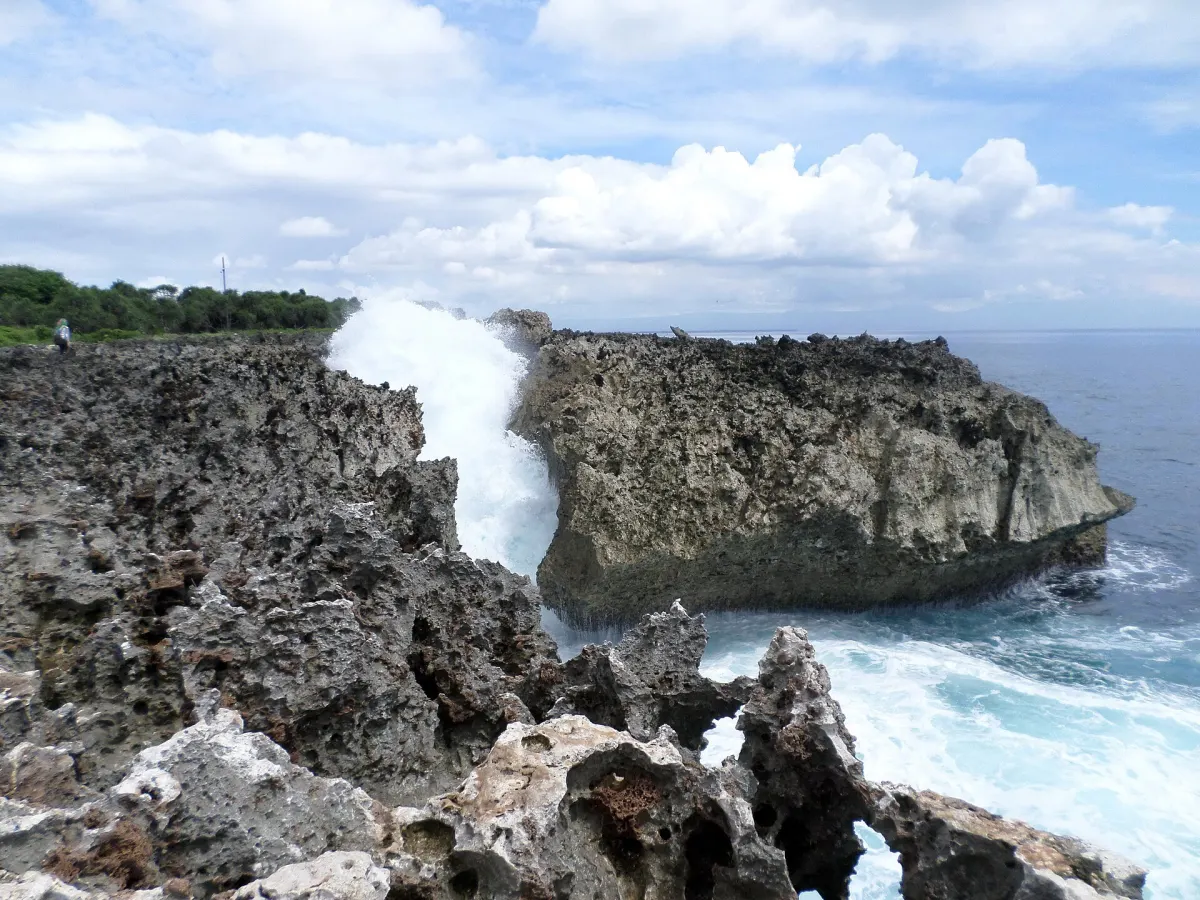
Nusa Dua — Agus Harimurti Yudhoyono, Indonesia’s Coordinating Minister for Infrastructure and Territorial Development, called on Bali to balance tourism growth with environmental capacity, stronger infrastructure, transport connectivity and more even development among its regencies and cities. 7, 2026.
The change comes as Bali continues to attract domestic and international visitors while facing pressure from congestion, overcrowding, waste, water availability and land-use problems. Yudhoyono said tourism and the creative economy offer major opportunities, but growth must not disrupt communities, food-producing areas or the island’s environmental balance.
For foreign visitors and residents, the remarks point to a policy direction in which Bali’s tourism appeal is tied to the capacity of its roads, public transport, water resources, waste systems and local communities. They do not announce a new visitor rule or fee. Instead, they set out the infrastructure and environmental issues the government says must accompany further tourism expansion.
Why it matters: Bali’s growth must reach all nine regencies and cities
Yudhoyono also addressed regional inequality. He said economic growth should not remain concentrated in a limited part of the island, noting the disparity between Badung’s locally generated revenue and that of other areas. Bali has nine regencies and cities, he said, and development should support prosperity across them, including in the western part of the island.
Transport was another concern. Yudhoyono said connectivity and public transportation need continued development because persistent congestion could reduce visitor comfort and Bali’s competitiveness. Separate coverage of the remarks reported that the government was considering additional transport options, including water taxis, alongside existing modes.
He also pointed to the need to manage waste, protect water supplies and preserve food-producing centers as tourism activity grows. The broader objective described in the reports was development that proceeds alongside environmental protection, more evenly distributed prosperity and stronger human resources.
Sources
Read next
More on this story

Explainers & Data
Bali Assessment Places Buleleng First and Badung Last
Bali’s 2026 assessment put the average score across its nine regencies and municipalities at 77,27. Buleleng ranked highest and Badung lowest.
Most read in Tourism & Hospitality

Related