
Bali shopping budgets: treat market prices as negotiable starting points
Travel guides suggest starting negotiations at around 30–50% of the opening price in Bali’s traditional markets, while malls, galleries and branded boutiques generally use fixed prices.
By Mukmin John
Editor: Mursyid Sonsang
· Event date: · 5 min read
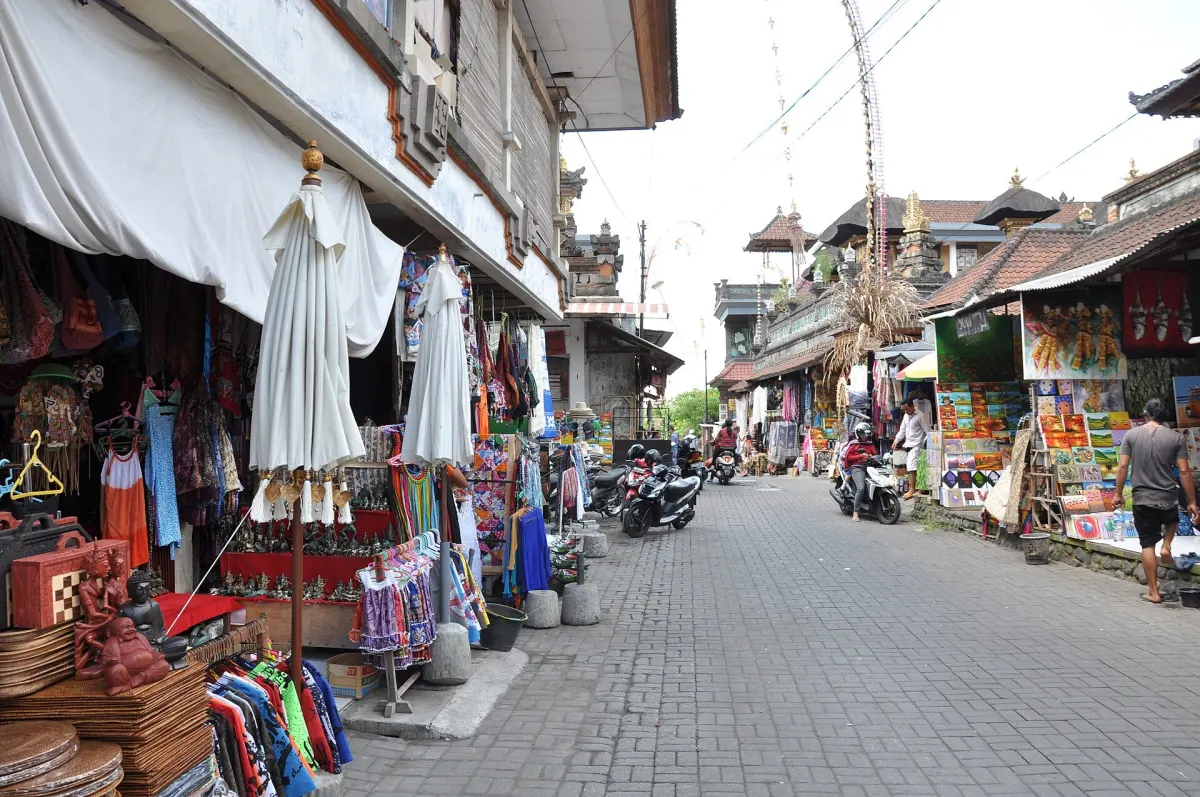
Bali — — Visitors planning shopping budgets for Bali’s markets and boutiques in September 2026 should treat bargaining advice as rule-of-thumb, not fixed tariffs, with several guides recommending counteroffers at around 30–50% of the initial asking price in traditional markets while prices in malls and branded boutiques are generally fixed.
Available guides emphasise that these figures are indicative only and that final prices vary with quality, location, seller and the outcome of negotiations, rather than any official island-wide price list.
Compare the shopping setting before setting a budget
One villa-based guide describes Ubud Art Market (Pasar Seni Ubud) as a central market selling textiles, sarongs, jewellery and woodcarvings at firmly negotiable prices, advising shoppers to start at about 40–50% of the asking price and work from there for market goods including Ubud Art Market and Sukawati Art Market, while noting that boutiques, malls and established galleries generally use fixed prices.
A separate Bali shopping guide published by a travel company similarly describes bargaining as expected in traditional markets and street stalls, including Ubud Art Market and Kuta stalls, but suggests a lower opening offer, advising travellers in one version of the guide to start at roughly 30% of the opening price in Ubud’s Art Market because the first quote can be three to four times what the seller expects to accept, and in another to open at 40–50% for souvenirs in Kuta and other markets.
That bargaining approach does not extend to most higher-end shops. According to the same travel guide, Seminyak and areas such as Oberoi Street are positioned as mid-range to high-end districts for fashion, resort wear, homewares, jewellery and art prints, where larger boutiques usually have fixed, clearly tagged prices and bargaining is described as inappropriate.
Sanur offers a contrasting mix. The Bhatara Villa Sanur guide identifies markets such as Pasar Sindhu as places for local food, snacks and inexpensive handicrafts with negotiable prices, while shops along Jalan Danau Tamblingan are described as galleries, silver stores, batik outlets and clothing boutiques where fixed pricing is more common.
Across these sources, useful planning categories include:
- Negotiated markets: Ubud Art Market, Sukawati Art Market, and many Kuta and Legian stalls, where bargaining is expected and opening prices may be several times higher than the final sale.
- Generally fixed-price shopping: Seminyak boutiques, malls and most international-brand stores, where items carry printed price tags and haggling is discouraged.
- Craft-focused areas: Celuk for silver jewellery, Mas for woodcarving, and Tegalalang for woodwork and painted crafts, where a mix of market-style stalls and studio workshops operate.
Match the budget to quality and purpose
Guides warn that very low prices in markets often indicate mass-produced items rather than locally made work, and that some goods described as handmade may have been produced elsewhere. Both the villa guide and independent shopping articles distinguish inexpensive market textiles and souvenir-grade handicrafts from labour-intensive batik and workshop-made crafts that command higher prices.
For textiles, the villa guide differentiates between batik made by stamping and more time-consuming hand-drawn batik, and notes that traditional cloth such as ikat from villages like Tenganan is labour-intensive and priced accordingly. Several travel and lifestyle articles describe Threads of Life in Ubud as a fair-trade textile gallery selling heirloom-quality cloth and baskets made with natural dyes, sourced directly from weavers across Indonesia, with fixed prices that reflect the work involved and are positioned as higher than typical market goods.
Silver buyers are advised in the villa guide to check for a 925 purity mark on jewellery and to treat unlabelled items marketed as “Bali silver” with caution, as lower prices can indicate silver-plated rather than solid silver pieces.
Coffee, spices and products such as sea salt are highlighted as practical souvenirs in several guides, which recommend comparing package size, origin and shop location rather than assuming standard prices, as current retail examples vary widely and are not presented as a uniform island-wide benchmark.
Tax, timing and practical budgeting tips
According to the travel company’s 2026 shopping guide, Indonesia’s VAT increase in 2025 flows through to retail pricing, with most established boutiques and malls including VAT in the displayed price, while traditional markets and informal stalls typically operate outside formal invoicing, making the negotiated price the final amount.
The same guide notes that some independent Seminyak concept stores add an 11% VAT-style surcharge that is not always visible on the price tag, and advises shoppers to confirm whether tax is included before paying. Both guides suggest that early-morning visits to markets such as Ubud Art Market can yield more flexible bargaining, and that walking away politely remains a key tactic when prices do not move.
For September 2026, the most consistent budgeting principles drawn from these sources are to separate negotiated purchases in markets from fixed-price shopping in boutiques and malls, to confirm whether tax is included in tagged prices, to inspect quality carefully and to compare more than one seller on the same day before committing to a purchase.
Sources
- Bhatara Villa Sanur – Shopping in Bali: Complete Guide to Markets & Boutiques
- Indonesia Journeys – The Ultimate Bali Shopping Guide: Where to Find Everything You Need
- Threads of Life Gallery – Bali Street Photographer
- Honeycombers – Threads of Life: shop ethical textiles in Bali
- MyGlob – Where to Shop in Bali: 11 Best Markets & Boutiques 2026
Next story

Indonesia inflation rises to 3.19% in August 2026
Indonesia’s annual consumer-price inflation rose to 3.19% in August 2026, driven by higher food, transport and gold-related prices. The figures descri…
Related