

BMKG forecasts later start to Bali rainy season, most areas wet by December
Bali’s dry season in 2026 is forecast to run longer than usual, with local meteorologists expecting most of the island to enter the rainy season in December.
Editor: Mursyid Sonsang
· 5 min read
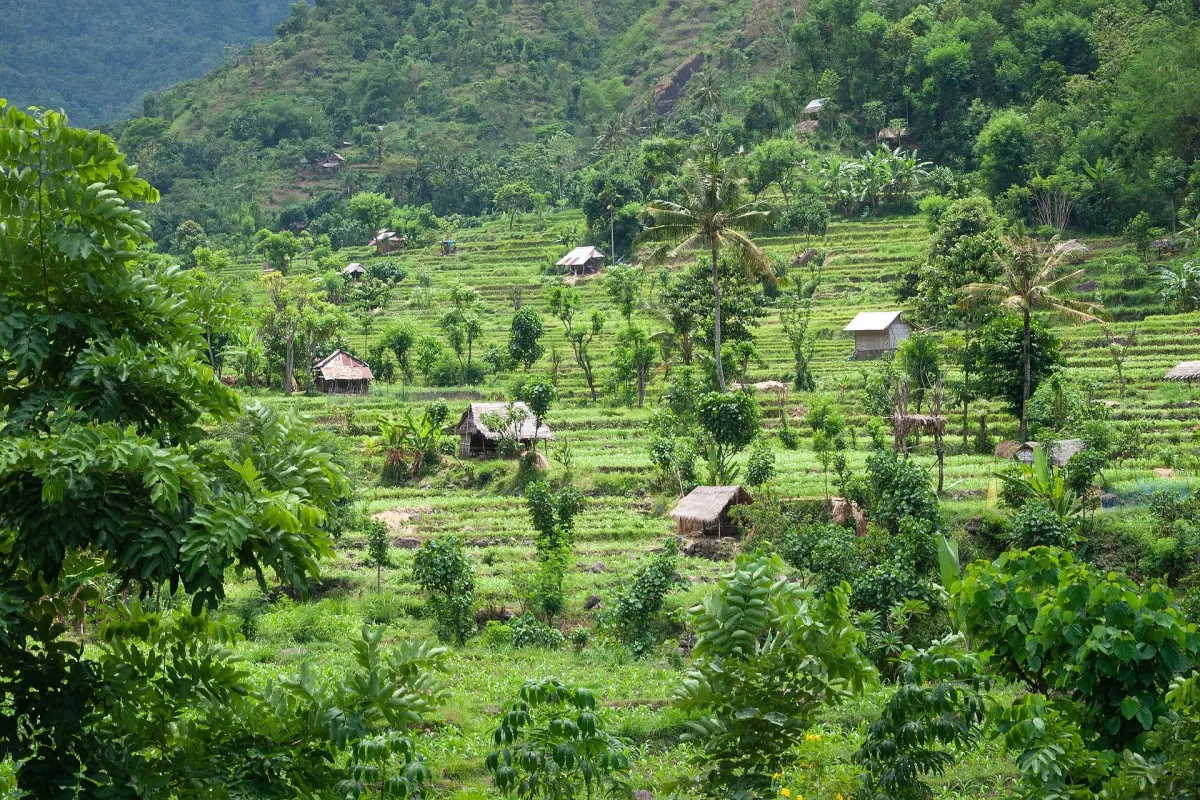
Denpasar — Bali’s rainy season is forecast to start later than usual this year, with the island expected to remain largely dry through September and October 2026 and most areas not entering the wet season until December, according to the provincial meteorology agency BBMKG and local media reports.
The local weather outlook, reported by Bali Live, cites BBMKG data indicating that rainfall is likely to stay relatively low in September and October, then increase in November as the dry season gradually gives way to wetter conditions rather than a sudden shift.
BBMKG Denpasar forecaster Luh Eka Arisanti told Indonesian outlet IDN Times that some parts of Bali are expected to see the start of the 2026/2027 rainy season in late November, while the majority of the island will enter the wet season in December.
El Niño and the delayed transition
Local climate reports link the delayed transition to El Niño, a Pacific climate pattern associated with reduced rainfall over parts of Indonesia. Bali Live reports that BBMKG expects El Niño’s influence to extend across the 2026 dry season, contributing to a longer, hotter and drier period than normal.
An English-language bulletin from GoBaligo, published on 3 September 2026, notes that El Niño continues to affect Indonesia’s weather and could delay Bali’s rainy season, with some areas potentially remaining dry through the end of the year. A follow-up GoBaligo weather brief on 15 September reports that BBMKG data show September and October “likely to stay relatively dry,” with rainfall gradually increasing in November and most areas “not officially” entering the rainy season until December.
Coverage in Evarah Collection’s drought explainer for Canggu adds that BMKG, Indonesia’s national meteorological agency, has forecast an early start and extended duration for the 2026 dry season across Java, Bali and Nusa Tenggara, with the peak in August and the season running for close to six months.
The article also cites World Meteorological Organization guidance that member states should prepare for a strong El Niño, and notes that BMKG put the probability of a strong-category event between August and October at up to 75 percent.
Key elements of the current outlook include:
- September–October 2026: predominantly dry conditions, with only occasional showers in some areas.
- Late November 2026: some regions begin the 2026/2027 rainy season.
- December 2026: most of Bali enters the rainy season.
- Dry season 2026: longer, hotter and drier than average, influenced by El Niño.
Implications for travelers
For visitors, the extended dry season may provide more consistent conditions for beaches, hiking, diving and other outdoor activities into October, but it also increases exposure to heat and the risk of vegetation fires, particularly around forests, hills and other natural attractions.
Travelers are advised in local coverage to monitor current weather and fire information and avoid activities that could spark fires, such as burning rubbish or leaving cigarettes or incense unattended, especially near conservation areas.
Although the seasonal outlook is not a guarantee of drought in all parts of Bali, it underscores the importance of flexible plans and awareness of changing conditions. GoBaligo notes that a delayed rainy season heightens the need for careful water-use management and infrastructure planning, including for tourism-dependent businesses.
Heavy rain is still possible once the wet season arrives. Travel guides for December 2026 describe Bali as being in the heart of the wet season, with frequent storms, high humidity and some days of prolonged rain. Visitors are encouraged to consider insurance that covers weather-related disruption, as downpours and flooding can affect roads, trails and outdoor excursions.
Water supplies and fire preparedness
The prolonged dry period has already created pressure on water supplies in parts of Bali. The Bali Sun reports that the provincial disaster agency BPBD recorded 529 families affected by drought as of mid-August 2026 and that authorities had distributed 305,000 liters of clean water, including 158,000 liters in Buleleng, 137,000 liters in Jembrana and 10,000 liters in Karangasem.
Balipost reports that 529 households in these regencies were impacted between April and mid-August and that 305,000 liters of water were delivered during that period, matching the figures cited in the English-language tourism reporting.
An IDN Times update for the period to 28 August notes that BPBD subsequently reported a larger total of 611,200 liters distributed, with increased volumes in Jembrana, Buleleng and Karangasem, and reiterated that the 2026 dry season is expected to be longer, drier and hotter than normal.
Evarah’s analysis highlights that emergency water deliveries have so far been concentrated in northern, western and eastern Bali, while the main tourism belt in Badung Regency has not been subject to water-use restrictions. However, local officials quoted by the Bali Sun emphasize that Bali’s expanded tourism infrastructure continues to put pressure on aquifers and that water security is a strategic concern for the province.
Fire risk is another focus of provincial agencies. Local media summaries of BPBD data indicate that the number of land and forest fires has risen during the extended dry period, particularly in Buleleng, underscoring the need for travelers and residents to avoid open burning and to follow guidance from conservation and disaster management authorities.
Sources
- Bali Live – Bali Weather Agency Predicts Later Start to Rainy Season
- GoBaligo – Bali News: Rainy Season Delayed to December?
- The Bali Sun – Bali Risks Drought In Top Tourism Destinations: Here’s What Tourists Need To Know
- IDN Times – BMKG Prediksi Musim Hujan di Bali Mundur, Hujan Turun Akhir November
- Ohana Agency – Bali Rainy Season 2026: Month-by-Month Reality (Local Guide)
- Balipost – 529 KK di Bali Terdampak Kekeringan, 305 Ribu Liter Air Didistribusikan
- Evarah Collection – Bali’s 2026 Drought: What It Actually Means for Canggu
- Forge Bali – Bali Weather in December 2026: Monthly Forecast & Travel Tips
- europes.run – Bali Tourism Expansion Drains Aquifers and Triggers Severe Water Crisis
Next story
BMKG Warns of 4-Metre Waves Off Southern Bali Through 19 September
BMKG warned of 2.5-4 metre waves in waters south of Bali and the southern Lombok Strait from 16-19 September 2026, with strong winds also expected in…