
Karangasem Submits Rejang Pala Dance for National Heritage List
Karangasem’s Culture and Tourism Agency has formally proposed Rejang Pala, a sacred agrarian dance from Nongan village, for inclusion on Indonesia’s 2026 Intangible Cultural Heritage list, highlighting its role in temple rituals and…
By Mukmin John
Editor: Mursyid Sonsang
· Event date: · 4 min read
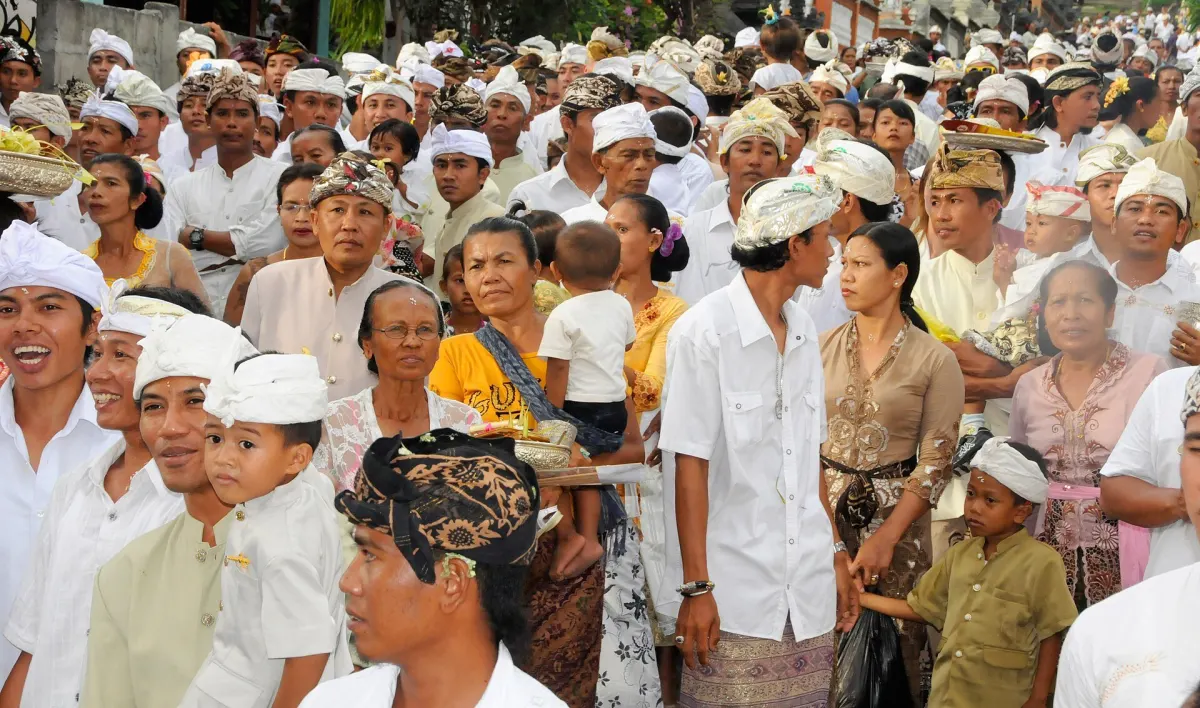
Karangasem — — The Karangasem Culture and Tourism Agency has proposed Rejang Pala, a sacred group dance from Nongan village in Rendang district, for recognition on Indonesia’s Intangible Cultural Heritage list for 2026, according to local officials quoted by detikBali.
The proposal was announced on Thursday, 17 September 2026, with the agency stating that Rejang Pala is the only cultural element it has submitted from Karangasem for this year’s national assessment.
Agency head I Putu Eddy Surya Artha said the regency intends to continue nominating other traditions in stages in coming years, positioning Rejang Pala as part of a broader effort to secure national recognition for local heritage.
Ritual dance rooted in agrarian life
Research and local media reports describe Rejang Pala as a sacred dance closely tied to the ritual cycle of Nongan’s agrarian community.
The dance is preserved at Balang Tamak Temple in Nongan and serves as one of the ritual components of Usaba Pala, a ceremony expressing gratitude for abundant harvests from subak abian and dryland farming.
Academic studies and field reports note that Rejang Pala is also performed in the Usaba Desa and Usaba Dalem ceremonies at Pesamuhan Agung Temple, where the dance functions as a ritual welcome for Ida Betara Dalem during key procession stages.
According to a study published in the Mudra journal, the dance is classified as sacred and performed by female dancers across three age groups: children (Rejang Alit), young women (Rejang Daha) and adult women (Rejang Lingsir).
Distinctive costumes shaped by local produce
The name Rejang Pala is closely linked to the visual character of the performance.
Academic and media accounts explain that dancers wear gelungan, or head ornaments, decorated with an array of fruits and agricultural products, reflecting the community’s farming traditions.
Examples reported by local outlets and documented in research include tropical fruits such as rambutan and salak, along with other seasonal produce used to adorn the headdresses as offerings.
Local elders quoted by Bali Express state that the use of fruit-laden headpieces during ceremonies at Balang Tamak Temple underpins the choice of the name Rejang Pala, directly connecting the dance to the harvest-focused Usaba Pala ritual.
From reconstruction to national proposal
Historical accounts from Nongan indicate that Rejang Pala was originally created in the early 20th century and later fell out of regular performance before being reconstructed in the 2010s.
Studies and local news report that village leaders, traditional authorities and community members worked from 2017 onward to revive the dance, including reconstructing choreography and costumes and re-establishing its place in temple ceremonies.
The dance was subsequently performed again during major rituals at Pesamuhan Agung Temple, and has since become a regular feature of Usaba Dalem, with community leaders describing it as a core element of Nongan’s ritual calendar.
Intangible heritage process still underway
The current proposal means Rejang Pala has been formally put forward by Karangasem’s Culture and Tourism Agency for inclusion on Indonesia’s Intangible Cultural Heritage list for 2026.
The agency’s statements, as reported by detikBali, confirm the nature of the proposed element, its origin in Nongan village, and its ritual setting at Balang Tamak and Pesamuhan Agung temples.
However, available reports do not detail the documentation submitted to national authorities, such as inventories, audiovisual records, or safeguarding plans, nor do they specify when the national review will be completed or a final decision announced.
For now, Rejang Pala remains a locally recognised sacred dance whose role in agricultural and religious life in Nongan is well documented, while its status as national intangible cultural heritage awaits formal assessment at the central level.
Sources
Next story
Madewasraya Returns to Batur with Key Rites on 16, 21 and 26 September
Key Madewasraya rites at Pura Tuluk Biyu Batur are confirmed for 16, 21 and 26 September 2026, within a larger Karya Agung Madewasraya and Ngusaba Kap…
Related