

KKP sets 2027 roadmap to tighten fisheries quality controls
Indonesia’s fisheries ministry is rolling out a 2027 roadmap to tighten quality assurance and traceability from catch to export, backed by 46 regional centers.
By Pandi Muktar
Editor: Mursyid Sonsang
· 4 min read
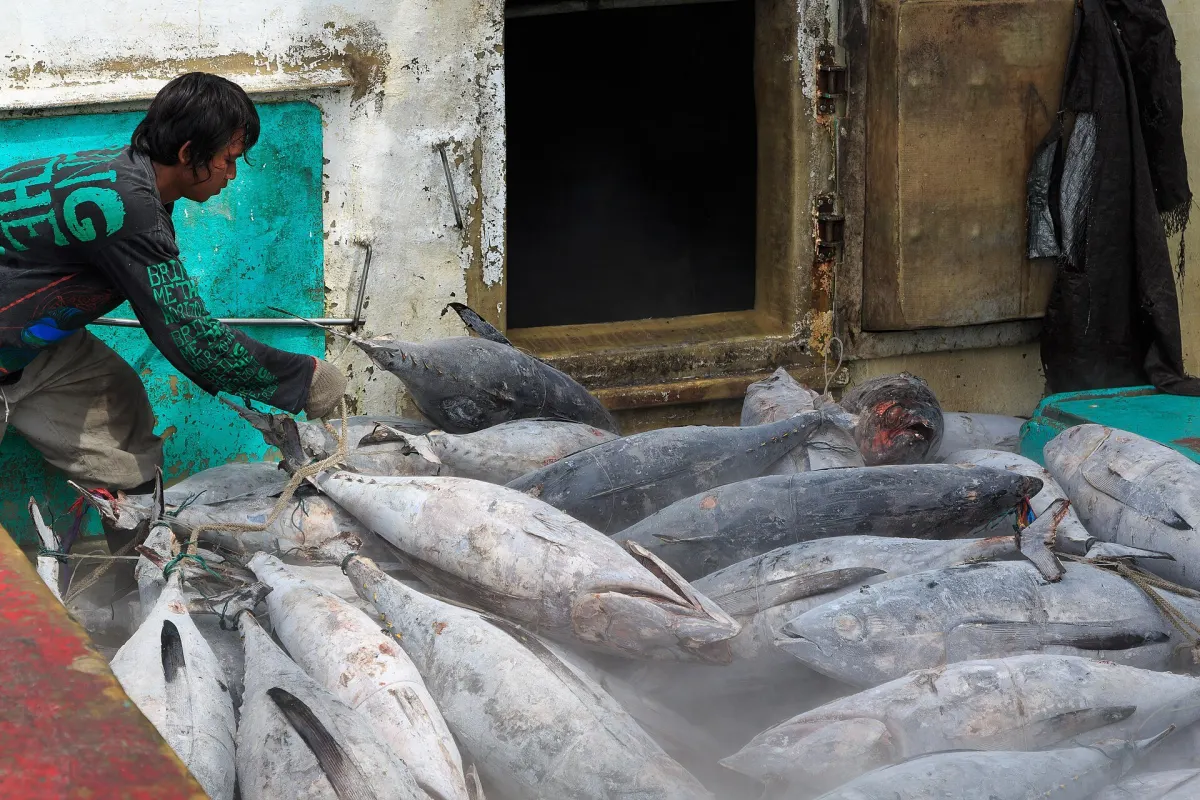
Badung, Bali — — Indonesia’s Ministry of Marine Affairs and Fisheries (KKP) is strengthening quality and food-safety controls for fisheries products under a roadmap that runs to 2027, aiming to boost export competitiveness and ensure compliance with international market requirements. Fisheries exports reached about 566,250 tons valued at around US$3 billion in January–June 2026, according to KKP and media reports.
KKP Secretary General Andy Artha Donny Oktapura outlined the plan during a specific working visit by the House of Representatives (DPR) Commission IV to the Bali office of KKP’s quality-assurance agency in Badung on Friday, 18 September 2026, local media reported. He said the strengthened system will apply from production in the upstream sector through processing and downstream activities.
The initiative is being developed as Indonesian fisheries products reach 152 export markets, supported by internationally recognised quality certification systems, according to KKP and business media reports.
Scope of the 2027 roadmap
According to KKP, the ministry is preparing an integrated quality-assurance service that includes digitalisation of laboratory services and closer coordination with relevant technical units. The roadmap for quality-assurance services through 2027 focuses on four main approaches: infrastructure development, human-resource improvement, digital laboratory services and stronger national and international networks.
KKP states that the quality-assurance system is being reinforced “from upstream to downstream” to ensure that safety and quality controls apply across the entire supply chain rather than only at export-processing stages. The ministry argues that traceability — the ability to track fisheries products from production to processing and further downstream — is increasingly important for global consumers and importing countries.
The ministry’s quality-assurance agency, Badan Pengendalian dan Pengawasan Mutu Hasil Kelautan dan Perikanan (BPPMHKP), currently operates 46 technical centers supporting fisheries quality assurance in various regions. KKP is targeting these centers to serve as pillars of a national quality-assurance system covering all 38 provinces, including for products destined for domestic consumption.
Export performance and key products
KKP data show that exports of fisheries products in the first half of 2026 reached 566,25 thousand tons, with a value of about US$3 billion or Rp52.6 trillion. Acting head of BPPMHKP, Ishartini, said international-standard food-safety guarantees from upstream to downstream are a key factor supporting Indonesia’s position in global markets.
KKP identifies 10 leading export products, including vannamei shrimp, seaweed, tuna, sardines, Spanish mackerel, skipjack tuna, squid, cuttlefish and octopus, carrageenan, grouper and crabs and swimming crabs. These commodities are shipped to 152 countries, supported by quality certification systems recognised by destination markets.
Bali’s role in fisheries downstreaming
During the DPR Commission IV visit to BPPMHKP’s Bali office, Andy Artha Donny Oktapura said Bali is one of the key downstreaming centers for Indonesian fisheries products, especially tuna. He noted that Bali is among the regions receiving particular attention in the strengthening of quality-assurance systems because of its role in processing and exporting tuna.
For producers and exporters in Bali, the upstream-to-downstream approach to quality assurance and traceability is expected to help demonstrate where products are caught or produced, how they are handled and whether they comply with food-safety and quality standards required by importing markets. KKP has not yet publicly detailed a Bali-specific implementation schedule or identified which businesses will be prioritised, but the broader roadmap indicates that regional centers such as the Bali office will be integral to the national system.
The ministry argues that stronger quality assurance and certification will support both domestic food safety and foreign-exchange earnings by improving Indonesia’s access to international supply chains. Officials point to the combination of infrastructure upgrades, digital services and expanded networks as evidence that the changes amount to a broad system enhancement rather than a single certification adjustment.
Smaller producers may benefit from easier access to laboratory services and clearer certification pathways, though available public information does not yet spell out possible financial assistance, subsidies or sanctions related to compliance costs.
Sources
- Badan Pengendalian dan Pengawasan Mutu Hasil Kelautan dan Perikanan (BPPMHKP) – KKP press release: Ekspor Produk Perikanan Semester I 2026 Capai Rp 52,6 Triliun
- Kontan TV – Ekspor Perikanan Indonesia Tembus Rp52,6 Triliun, 10 Produk Jadi Andalan
- Infokini – Tembus Rp52,6 Triliun, Ekspor Perikanan Indonesia Laris Manis di 152 Negara
- RRI Voice of Indonesia – Indonesia’s Fishery Exports Hit USD 3 Billion in First Half of 2026
- RCTI+ / IDXChannel – Ekspor Produk Perikanan RI Tembus Rp52,6 Triliun
- Pantau.com – KKP Perkuat Jaminan Mutu Perikanan dari Hulu hingga Hilir untuk Genjot Ekspor
- Nomorsatukaltim – Ekspor Perikanan Indonesia Capai 566 Ribu Ton atau Senilai Rp52,6 Triliun, Tembus 152 Negara
Next story

BPD Bali cocoa financing reaches Rp4.525 billion in OJK-backed Bali scheme
Bank BPD Bali and the Bali office of Indonesia’s Financial Services Authority (OJK) are building a cocoa financing ecosystem in Tabanan, reporting Rp4…
Related