

Komodo National Park’s 1,000-Visitor Daily Cap Now in Force
Recent regulations and park information confirm Komodo National Park now operates under a park-wide daily cap of about 1,000 visitors, enforced via online reservations alongside updated entrance fees and surcharges, rather than an…
Editor: Mursyid Sonsang
· 4 min read
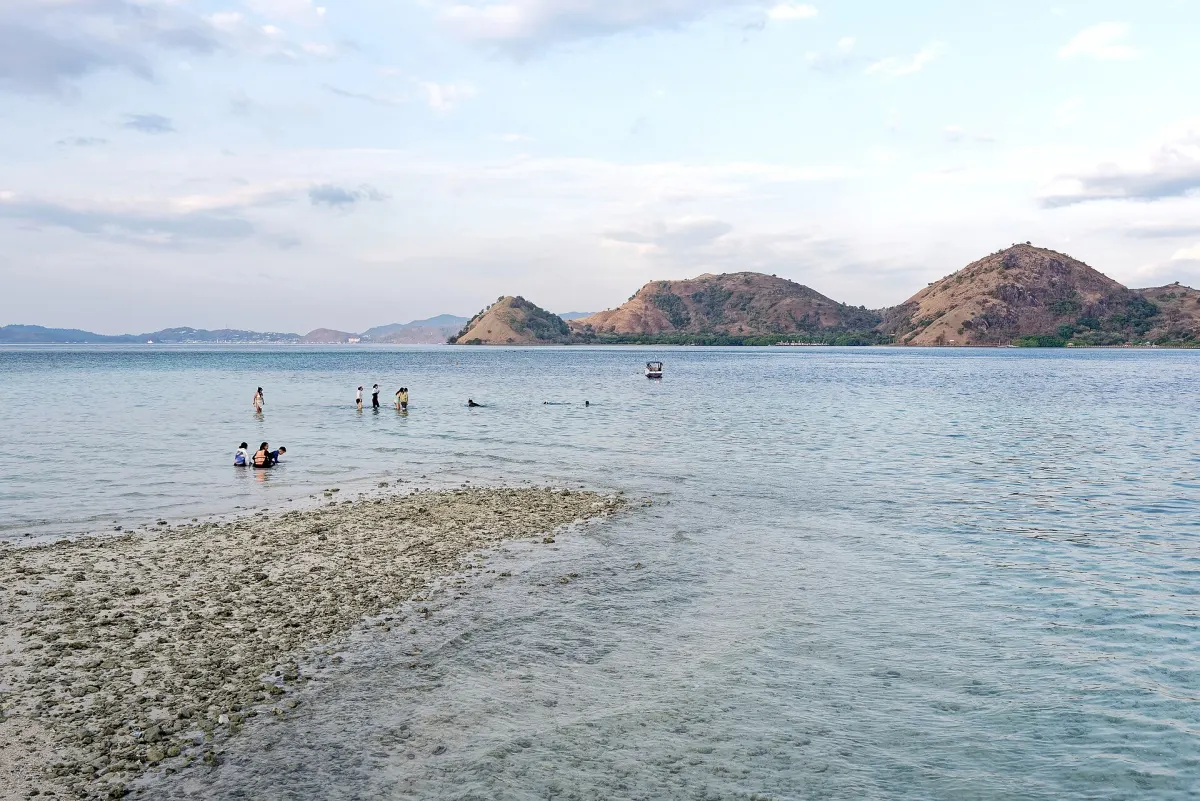
Labuan Bajo — Komodo National Park is already operating under a confirmed park-wide daily cap of around 1,000 visitors and an updated entrance fee regime, according to multiple tourism and park information sources, rather than a yet‑to‑be‑decided proposal limited to Komodo Island alone.
Travel and tourism outlet Travel and Tour World reported on 22 August 2026 that a hard daily cap of 1,000 visitors became fully operational across Komodo National Park in April 2026, following a three‑month trial. The report described the 1,000‑person ceiling as applying to all categories of visitors, whether on liveaboard trips, day excursions from Labuan Bajo or short snorkeling stops inside the park boundary.
Independent park information sites and local operators give compatible details. A conservation‑focused site for the park states that since 1 April 2026 a cap of 1,000 visitors per day is enforced across the entire park through the SiOra online reservation system, with the quota split across three booking sessions.
A Komodo travel guide similarly explains that the daily quota limits total park entry to 1,000 people, allocated among major sites such as Komodo Island, Padar Island and Manta Point. A Labuan Bajo port information page also notes a park‑wide limit of roughly 1,000 visitors per day released in three timed sessions.
How the cap works
The available sources indicate that the cap is applied at park level, not separately for each island. The Komodo conservation site explicitly stresses that the limit is 1,000 visitors per day for the entire park combined, a point it says is often misunderstood in travel coverage. The Komodo guide breaks this down into sub‑quotas for individual zones, presenting Komodo Island, Padar, and key marine sites with their own maximums that add up to 1,000.
These accounts describe the SiOra system as the primary mechanism for enforcing the quota. Visitors must secure advance permits and time‑slot reservations; once the daily capacity is reached, the system blocks further bookings. This effectively ends walk‑up ticketing at island gates during busy periods and compels operators to plan departures and itineraries around the available slots.
Fees and surcharges
The same sources outline revised entrance fees and activity‑based surcharges. Travel and Tour World reports consolidated entry fees for standard Komodo routes of IDR 650,000 for foreign visitors and IDR 900,000 for a Rinca route, built from underlying park entrance, conservation and ancillary charges. Komodo‑focused information sites link the basic park entrance tariff to Government Regulation PP 36/2024, citing flat rates around IDR 250,000 for foreign visitors and IDR 50,000–75,000 for Indonesian citizens depending on day type, with additional levies for diving, snorkeling, harbour use and ranger guides.
International park and travel guides further detail optional surcharges: separate per‑day fees for diving and snorkeling, island‑specific entry charges and drone permit fees. These amounts are presented as part of a broader move to raise conservation funding while discouraging excessive pressure on popular sites.
Context from Indonesian media
Indonesian public broadcaster RRI’s Voice of Indonesia describes Komodo Island as one of the country’s leading destinations, drawing tourists for its landscapes and the chance to see Komodo dragons in their natural habitat. The outlet highlights the park’s role in protecting the endemic species and its importance for Indonesia’s biodiversity.
While RRI’s feature focuses on the island’s appeal and conservation significance, it does not detail quota mechanics or fee schedules. Those operational aspects are covered instead by tourism and park information sources that track regulatory changes and visitor management reforms in 2026.
Implications for travellers and operators
The confirmed 1,000‑visitor cap means that access to flagship sites such as Komodo Island and Padar is now mediated by advance booking and session‑based permits rather than open arrival. Tour companies must align departures, route combinations and group sizes with available quotas, and travellers face reduced flexibility on peak dates when allocations sell out.
Higher consolidated fees and activity surcharges increase the cost of visiting, particularly for foreign visitors and packaged trips, but they also provide structured revenue streams earmarked for park management and conservation. For local communities and tourism workers whose livelihoods depend on park visits, the new system aims to balance economic benefits with limits designed to prevent overtourism and protect sensitive habitats.
Prospective visitors are advised by park information sites and operators to consult official booking channels and updated fee tables before planning itineraries, and not to assume that earlier pricing or uncapped access still applies.
Sources
Next story

IHG preparing to open first Kimpton hotel in Indonesia in Ubud
IHG Hotels & Resorts is preparing to debut the Kimpton brand in Indonesia with Kimpton Suntaya Bali Ubud, a 101-key lifestyle hotel on Jalan Bisma fea…