
Maligia Bukhur Ceremony Unites 300 Dadia in Keramas
A Maligia Bukhur ceremony in Keramas, Gianyar, brought together 586 sekah from 86 groups representing 300 dadia. Participants came from Gianyar and Karangasem.
By Mukmin John
Editor: Mursyid Sonsang
· 2 min read
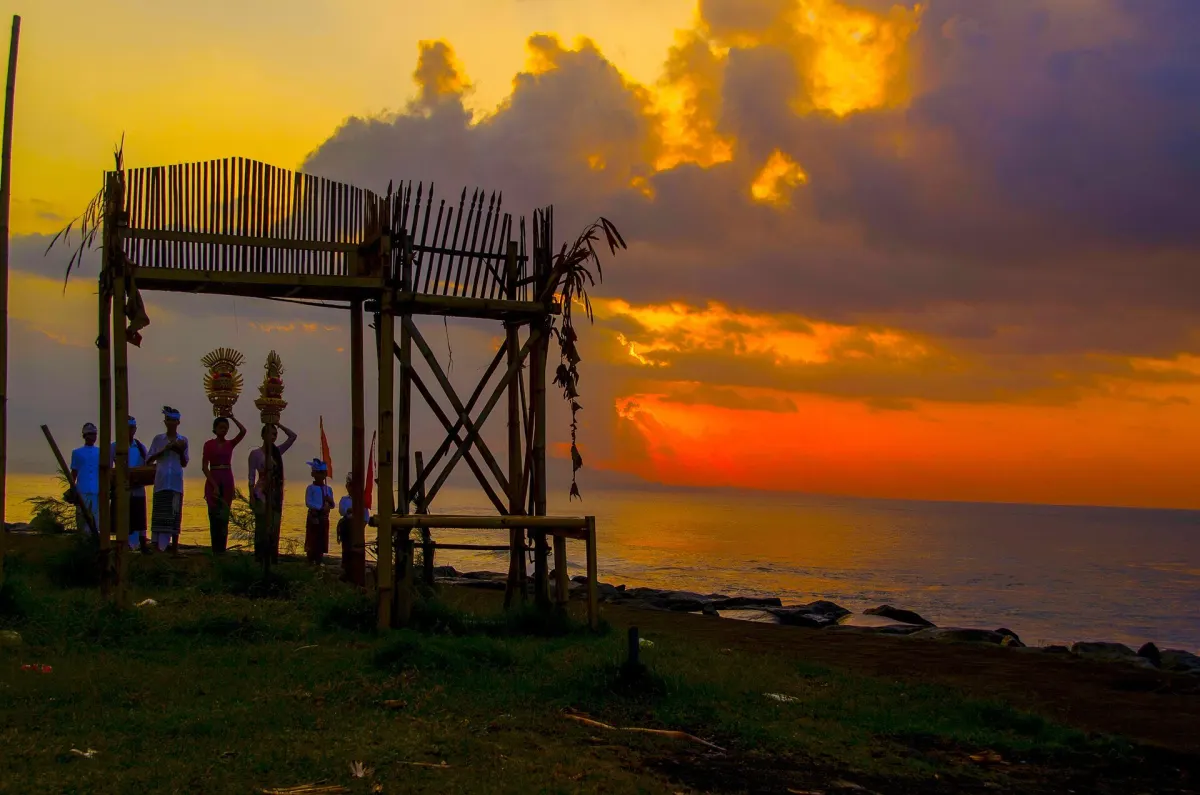
Keramas — A Maligia Bukhur ceremony involving 300 dadia and 586 sekah was held at Piyadnyan, Subak Diga, in Keramas, Gianyar, on Monday, Nov. 9.
The ceremony brought together participants from Gianyar and Karangasem. It involved 586 sekah from 86 groups representing about 300 dadia, or ancestral family communities, in a large-scale Hindu religious observance.
The ceremony linked 300 dadia across Gianyar and Karangasem
A dadia is an ancestral family grouping, while sekah are symbolic representations used in rites for deceased ancestors. The participation of 300 dadia indicates the broad communal scope of the observance. The event also brought together people from more than one area, with participants coming from Gianyar and Karangasem.
The ceremony took place at Piyadnyan in Subak Diga, Keramas, Gianyar. The 586 sekah came from 86 groups, representing about 300 dadia. The figures describe the scale of the ceremony and the number of ancestral family communities involved in the observance.
Held on Monday, Nov. 9, the ceremony connected participants from Gianyar and Karangasem at the Piyadnyan site. Its focus was the Maligia Bukhur ceremony, with sekah representing deceased ancestors and dadia referring to ancestral family communities. The gathering therefore involved both the ritual representations and the extended family groupings associated with the ceremony.
Sources
Read next
More on this story
Tourism & Hospitality
Short Circuit Sends Smoke From PLN Substation in Ubud
A PLN substation on Ubud’s Jalan Raya Monkey Forest short-circuited and emitted thick smoke on Nov. 6. Firefighters contained the incident in about fi…
Most read in Culture & Ceremony

Related