
Tirta Gangga Art Festival 2026 Highlights Cultural Diversity in Karangasem
The 13–19 September Tirta Gangga Art Festival 2026 in Karangasem brought together Balinese Hindu arts and performances from Muslim and Chinese communities, as organisers and officials linked cultural diversity to tourism and local economic…
By Mukmin John
Editor: Mursyid Sonsang
· 4 min read
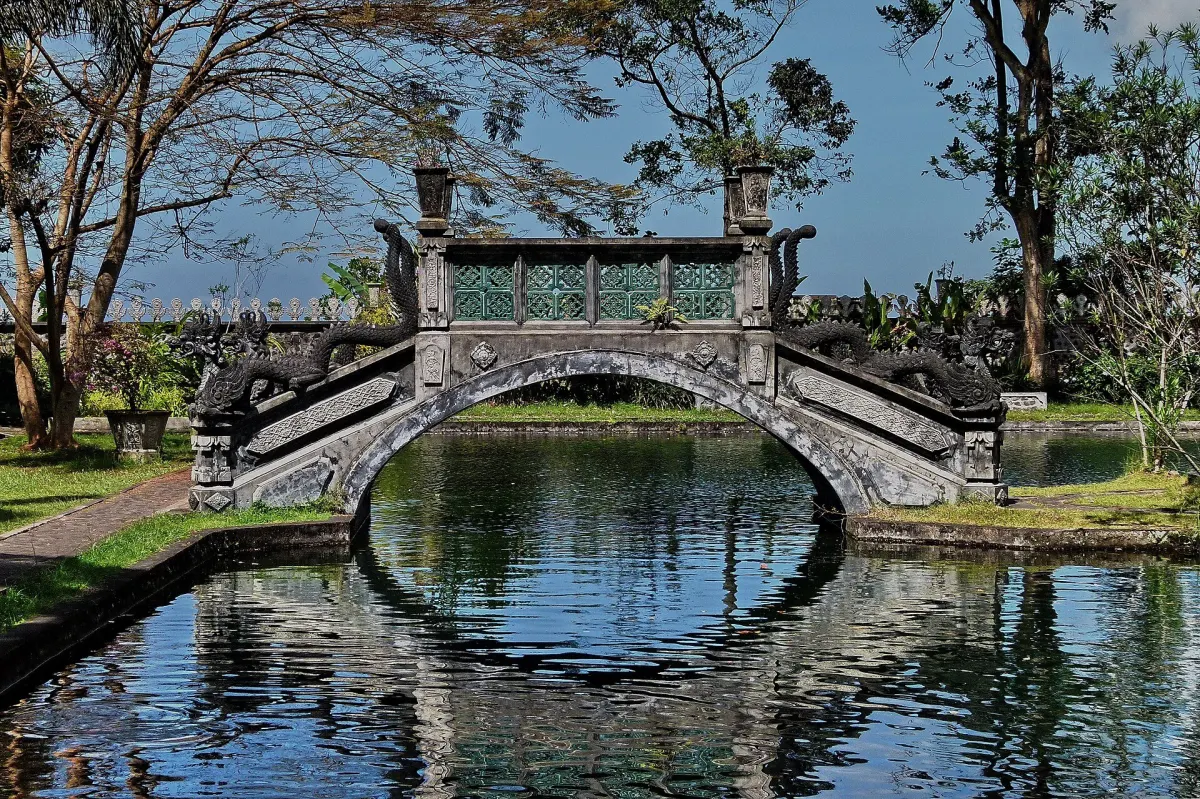
Karangasem — Tirta Gangga Art Festival 2026 returned to the historic water palace in Karangasem for a week-long programme of traditional and cross‑faith performances from 13 to 19 September, highlighting Bali’s cultural diversity and its role in the regency’s tourism strategy.
The event took place at Tirta Gangga Water Palace in Ababi village and ran for seven days, according to local media and tourism-focused outlets reporting on the festival schedule. Coverage described the 2026 edition as part of a growing tradition of arts programming at the site, with activities staged on and around a dedicated performance area within the park.
Reports from Bali-based news organisations said the festival brought together a mix of Balinese Hindu arts and traditions from Muslim and Chinese communities in Karangasem. Performances included mass dance presentations, a cultural parade and a series of competitions featuring Balinese music and dance as well as arts associated with other faiths. A separate report noted that one of the competition days focused on the Truna Jaya dance, drawing 11 participants and attracting domestic and international visitors to the floating stage at Tirta Gangga.
Anak Agung Made Kosalya, head of the Tirta Gangga management, described the festival as a platform to showcase the breadth of art and culture that has developed across different religious and community traditions in Karangasem. According to his comments cited in local coverage, Balinese arts remained central to the programme, but space was deliberately given to performances from communities with different religious backgrounds.
Kosalya linked this approach to Bali’s reputation for strong interfaith tolerance and argued that cultural diversity itself can be shaped into a distinctive tourism experience.
The festival’s programme featured a range of competitions, including Bapang Barong, beleganjur and other Balinese music and dance contests, as well as activities such as nyurat lontar and penjor. Media reports said these events were intended both to entertain visitors and to encourage young people and local artists to develop their skills. One outlet reported that winners from the Truna Jaya dance competition would be invited to appear at the festival’s closing reception on 19 September.
Culture, diversity and tourism goals
Karangasem Regent I Gusti Putu Parwata, widely known as Gus Par, officially opened the festival on Sunday, 13 September, in a ceremony that marked Tirta Gangga’s 78th anniversary. According to local reports, the opening was symbolised by the striking of a gong and drum and the release of koi fish into the water palace pools, underscoring the event’s connection to the site’s history and community.
In remarks reported by Bali-based media, Gus Par welcomed the festival as a way to promote Karangasem’s tourism potential while supporting the local economy. He and other organisers framed the arts programme as part of efforts to strengthen the regency’s appeal to visitors and investors by showcasing its social fabric, traditions and cultural heritage alongside its natural attractions.
Coverage of the festival highlighted the inclusion of cross‑faith performances such as rebana and rudat presented by Muslim communities and barongsai from Karangasem’s Chinese community, staged alongside Balinese cultural displays and a Karangasem cultural parade. Organisers and commentators described this blend as reflecting the diversity of “Gumi Lahar”, a traditional name associated with Karangasem.
Local outlets noted that the 2026 festival built on earlier arts events at Tirta Gangga and was intended to evolve into a recurring cultural attraction anchored at the water palace, one of East Bali’s established visitor sites. By combining traditional competitions, mass dances and cross‑community performances, the programme sought to reinforce cultural preservation while positioning Karangasem as a destination where visitors can experience both natural landscapes and living cultural diversity.
Sources
- Detik Bali – "Tirta Gangga Art Festival Digelar Lagi, Hadirkan Seni Lintas Agama di Bali"
- Go Bali Go / GoBaligo – Bali news brief including Tirta Gangga Art Festival 2026
- NusaBali – "Lomba Tari Truna Jaya Memukau Turis di Tirtagangga"
- Tribun Bali – "Tirta Gangga Art Festival, Dorong Keberagaman Untuk Dongkrak Pariwisata Karangasem Bali"
- Kabar Bali Satu – "Bupati Gus Par Buka Tirta Gangga Art Festival 2026, Festival Seni Dorong Pariwisata dan Ekonomi Warga Karangasem"
- Bali.com – "Festivals in Bali | List of religious festivals and cultural events"
- The Bali Times
Next story
ARMA Fest 2026 opens in Ubud with 895 Balinese artists
ARMA Fest 2026, the fourth edition of the arts festival at ARMA Museum Ubud, opened on Saturday, 19 September, bringing hundreds of Balinese artists t…
Related