

Uluwatu Temple monkeys: why they are there and what visitors should know
Uluwatu Temple is famous for its cliff views, but visitors also come face to face with resident macaques that grab loose items. Here is why the monkeys are there, what they take and how the temple manages them.
By Mukmin John
Editor: Mursyid Sonsang
· 3 min read
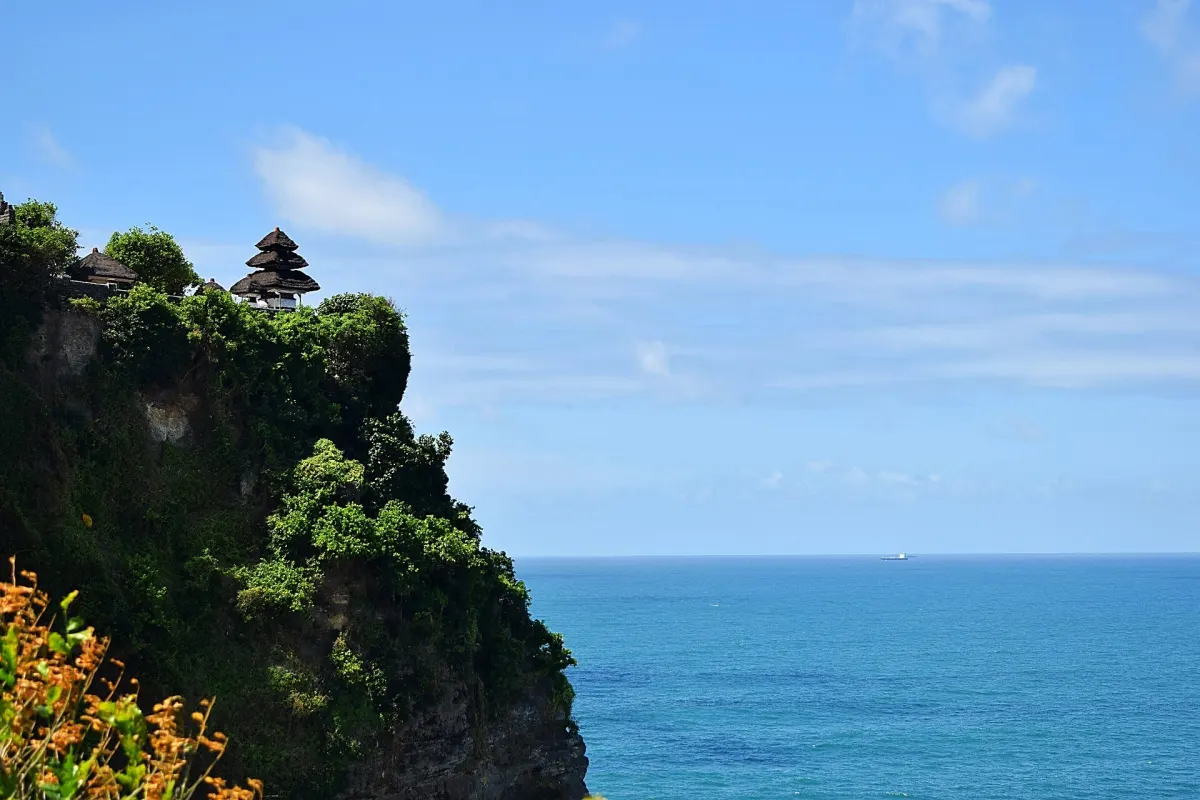
Uluwatu Temple is known not only for its cliff-top setting but also for its resident macaques, which visitors often see around the sacred complex. The temple says the site is home to about 650 macaques, while nearby Labuan Sait Beach has around 50 more, and researchers have documented their habit of taking tourist items and trading them back for food.
Why are there monkeys at Uluwatu Temple?
Uluwatu Temple’s own conservation page says the temple area supports approximately 650 macaques, with another group at Labuan Sait Beach nearby. That makes the monkeys a permanent part of the site rather than an occasional attraction, and the temple describes active wildlife management around them.
On the cultural side, many visitors also encounter the monkeys as part of the temple landscape because they roam freely across the grounds and are widely associated with the site.
What do the monkeys usually take?
Researchers and reporters have described the Uluwatu macaques as especially skilled at snatching loose belongings from visitors, then holding onto them until food is offered. Items reported in coverage include phones, sunglasses, hats and other small valuables.
A study reported by multiple outlets found that the monkeys do not just grab randomly: they can distinguish between items people value differently and adjust their behaviour accordingly.
Do the monkeys return stolen items?
Yes, but often only after a food exchange. Coverage based on primate research says temple staff or local handlers sometimes offer fruit or other food so the monkeys release the item, which is why the behaviour is often described as “bartering.”
That pattern has been reported as a learned behaviour around Uluwatu Temple, with monkeys in the most tourist-heavy parts of the site appearing most likely to take part.
Are the Uluwatu monkeys dangerous?
The temple’s own wildlife page says there have been no reported rabies cases from monkeys at Uluwatu Temple, and that the temple team monitors their health. Even so, the monkeys are wild animals that can grab or bite if provoked or if visitors try to retrieve items directly.
For readers, the practical point is that the animals are part of the temple’s living environment, not pets or performers, so loose items attract attention and close contact is not a good idea.
What is the safest way to visit?
- Keep phones, sunglasses, hats and snacks secured before entering the temple grounds.
- Do not hold belongings loosely while taking photos near the monkeys.
- If a monkey grabs something, avoid reaching in by hand and follow on-site guidance.
The temple’s conservation material and reporting on the macaques both point to the same basic rule: the monkeys are habituated to people, and human behaviour affects how often they take items.
Sources
Read next
More on this story

Explainers & Data
Things to do in Uluwatu: temple, beaches, surf and sunset culture
Uluwatu is best for sunset culture, surfing, and cliff-top beach time, with Pura Luhur Uluwatu and the Kecak dance at the center of most visitor itine…
Latest in Culture & Ceremony

Today’s top story

Related