

Bali Hotels Face Hurdles Over 81 Megawatts of Rooftop Solar
IESR estimates Bali’s four- and five-star hotels could support up to 81 megawatts of rooftop solar, but financing, technical preparation and regulatory uncertainty remain obstacles.
By Pandi Muktar
Editor: Mursyid Sonsang
· 2 min read
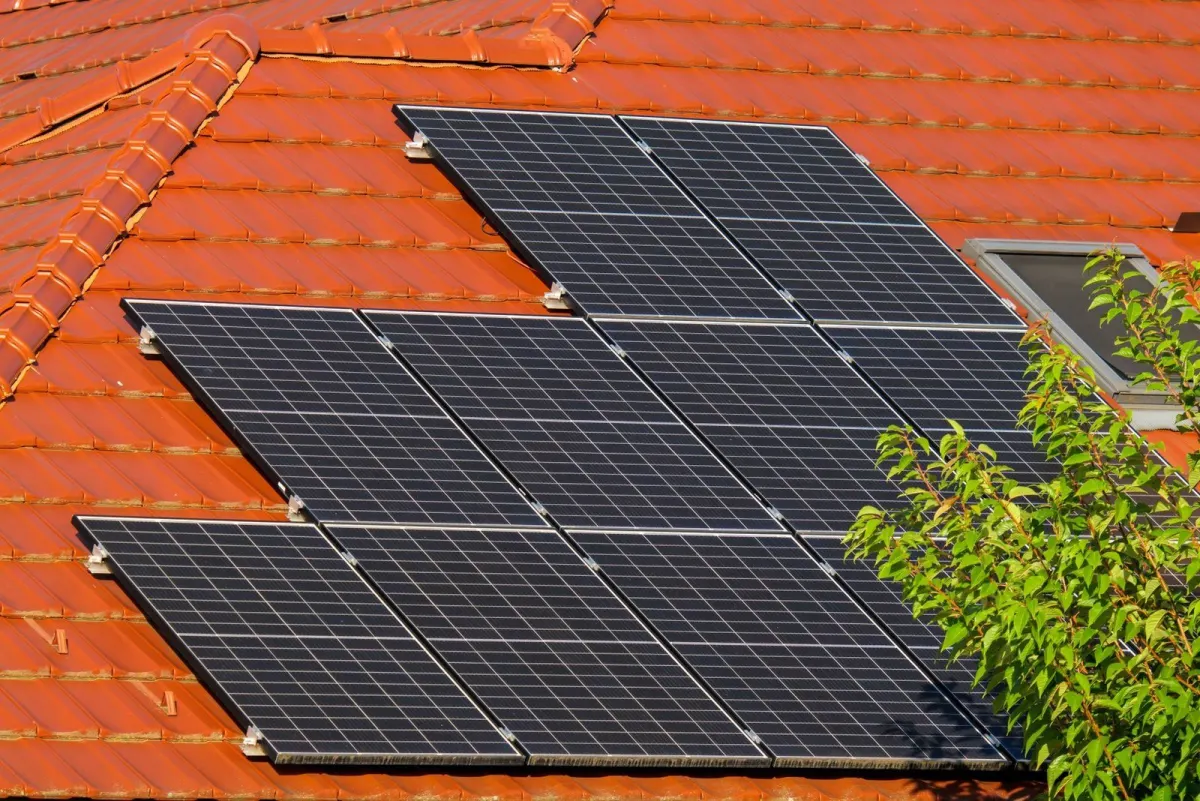
Denpasar — The Institute for Essential Services Reform said on Oct. 14 that Bali’s four- and five-star hotels could support up to 81 megawatts of rooftop solar capacity, while financing, technical readiness and regulatory certainty continue to slow investment.
The estimate concerns the tourism sector’s potential to use rooftop photovoltaic systems. IESR said businesses still need clearer information about investment requirements, expected savings, payback periods, financing structures and system reliability before making commitments.
The institute said discussions on accelerating rooftop-solar adoption among Bali’s four- and five-star hotels began in July 2026. Those discussions identified three principal obstacles: technical preparation, regulatory certainty and financing. Technical questions include whether buildings are suitable, which technology and service providers to choose, and how systems will be operated and maintained.
Why Bali’s 81-megawatt hotel potential matters
For hotel operators and foreign visitors, the issue is part of a broader effort to reduce the tourism industry’s reliance on conventional electricity. Rooftop solar can allow commercial buildings to add renewable generation without acquiring large new areas of land, but the investment depends on building conditions, electricity demand, grid capacity and installation rules.
Regulatory uncertainty has practical consequences. Hotel businesses need to understand applicable quota rules and permitting procedures before installation. Financing is similarly central: a project’s feasibility depends not only on the equipment price but also on the expected savings, repayment period and availability of a funding model suited to tourism businesses.
IESR said implementation would require cooperation among the government, tourism companies, technology providers, financial institutions, PT Perusahaan Listrik Negara (Persero), Indonesia’s state electricity company, and other stakeholders. The institute also said demand, policy support, technical readiness and adequate financing must be addressed together.
The report does not state a separate timetable for construction or a confirmed financing scheme. It says tourism businesses continue to seek answers on investment size, savings potential, payback periods, regulatory certainty, financing options and system reliability.
Sources
Read next
More on this story

Explainers & Data
Bali Assessment Places Buleleng First and Badung Last
Bali’s 2026 assessment put the average score across its nine regencies and municipalities at 77,27. Buleleng ranked highest and Badung lowest.
Most read in Business & Investment

Today’s top story

Related