
Desa Les links traditional salt and village enterprise to green tourism push
Desa Les on Bali’s northern coast is building a community-based tourism model around traditional sea salt production, with BUMDes Giri Segara helping turn garam palungan and other village products into branded, marketable attractions…
Editor: Mursyid Sonsang
· Event date: · 4 min read
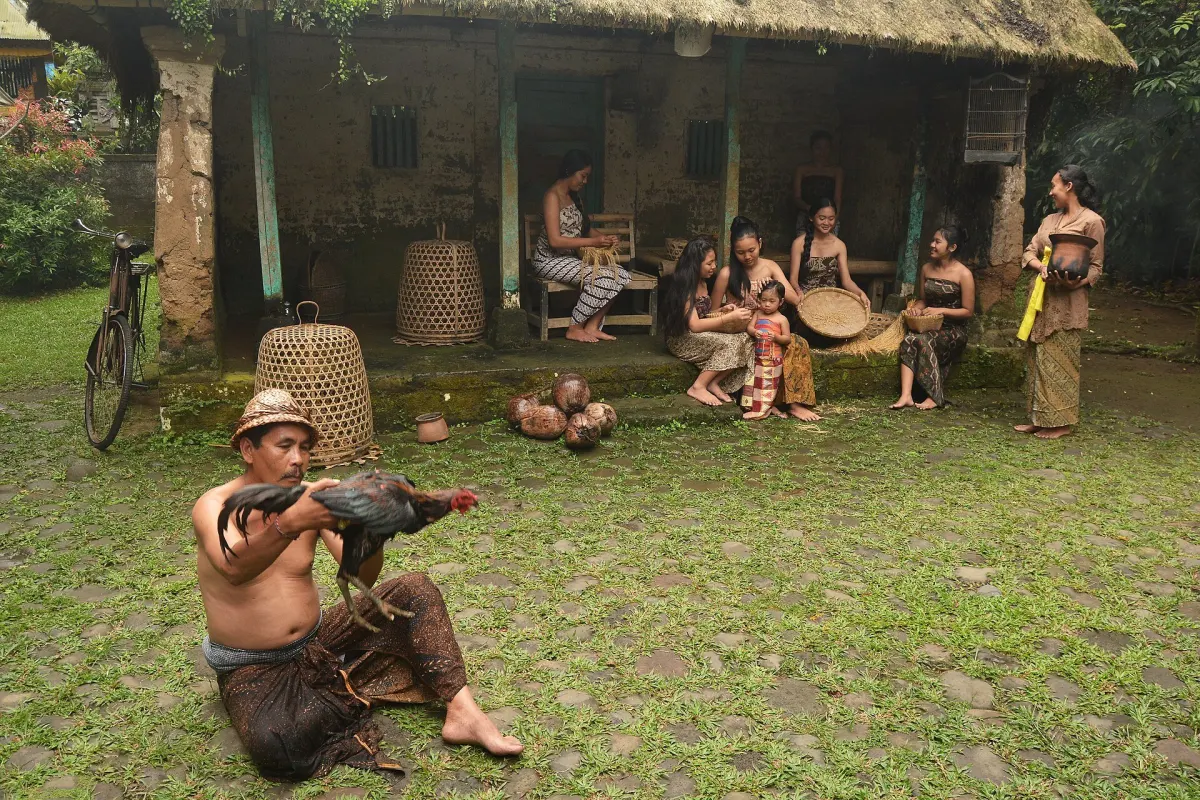
Desa Les — — Desa Les in Buleleng, northern Bali, is positioning its traditional salt production and coastal landscape at the centre of a community-based tourism model, with village-owned enterprise BUMDes Giri Segara coordinating marketing and product development.
The village combines farming, fishing and salt-making with homestays and nature-based attractions, promoted as part of a wider sustainable growth programme supported by Astra and local government.
Desa Les faces the Bali Sea and has long maintained traditional salt-making practices using natural evaporation and wooden troughs made from coconut trunks, known locally as garam palungan. Producers filter seawater through natural materials before allowing it to crystallise under the sun, without chemical additives.
Salt production as a visitor draw
Traditional salt has become both a livelihood and a visitor experience.
According to the Ministry of Tourism’s tourism village platform, Desa Les is recognised as a salt-producing coastal village and ranked among the 50 top tourism villages in the 2024 Anugerah Desa Wisata Indonesia (ADWI) awards. The listing highlights the village’s organic salt production along the beach and its role as a flagship attraction for North Bali.
Reports from national and local outlets describe tourists observing the salt-making process, from preparing the fields and filtering seawater to drying crystals in coconut-trunk palungan and packaging them as a distinctive souvenir. This has turned a working production landscape into an educational activity that introduces visitors to coastal livelihoods and local food traditions.
Product innovation is part of the appeal. BUMDes Giri Segara and community partners have developed flavoured and branded salts, marketed under labels such as Uyah Les and promoted as a Bali specialty distributed to Java, Batam and other regions.
Role of BUMDes Giri Segara
BUMDes Giri Segara functions as the main marketing and coordination hub for the salt economy. According to corporate and media reports, the enterprise works with producers to improve packaging, branding and access to wider markets, while supporting local micro and small businesses.
Collaboration between BUMDes, the Bali provincial government and Astra-linked programmes has expanded sales beyond the village. Several sources report that provincial authorities now order around one metric ton of salt per month, valued at roughly Rp25 million, providing a regular market for the community’s two to three tons of production per dry season.
Village products handled or promoted through BUMDes extend beyond salt. Coverage of Kampung Berseri Astra Les notes that the enterprise also supports palm sugar derivatives, coconut products, homestays and other small businesses, linking traditional livelihoods with tourism and entrepreneurship.
Award-winning tourism village
Desa Les has emerged as a national example of rural tourism built around environmental and cultural stewardship.
The Ministry of Tourism’s Jadesta platform lists Les Village in Buleleng among the 50 Best Tourism Villages in the ADWI 2024 programme. Separately, Astra and several Indonesian media outlets report that Kampung Berseri Astra Les was named the overall champion of the Indonesia Tourism Village Awards in 2024, reflecting its approach to preserving nature and culture while expanding local income.
Broadcast and print coverage emphasises that the tourism concept is community-based, with more than 20 homestays managed by residents and activities that include coastal visits, waterfalls and participation in traditional salt-making.
Environmental and economic claims
Desa Les is widely promoted as a model of sustainable, community-based tourism where economic growth is linked to conservation of coastal ecosystems and cultural heritage. The use of natural evaporation and chemical-free processing in salt production is highlighted as part of this environmental narrative.
Available reports point to tangible benefits such as improved packaging, access to markets outside Bali, regular institutional orders for local salt and new income from homestays and tourism services. However, they do not provide detailed figures on annual visitor numbers, total tourism income or the exact share of BUMDes revenue flowing back to individual households.
Desa Les nonetheless offers a northern Bali case study in integrating a long-standing coastal livelihood with tourism and community enterprise, with its future credibility as a “green” destination tied to how well it can demonstrate measurable conservation outcomes and transparent benefit-sharing.
Sources
Next story
Mount Abang hiking trail to close 21 and 26 September for temple ceremonies
Authorities and community leaders in Bangli will close the Mount Abang hiking trail on 21 and 26 September 2026 for major Hindu ceremonies linked to P…
Related