

How Bali’s 2025 health system is measured: life expectancy and hospital beds
Bali’s 2025 health data combines a population outcome—life expectancy—with a service-capacity measure: referral-hospital beds. The two figures answer different questions and should not be treated as one healthcare score.
By Mukmin John
Editor: Mursyid Sonsang
· 2 min read
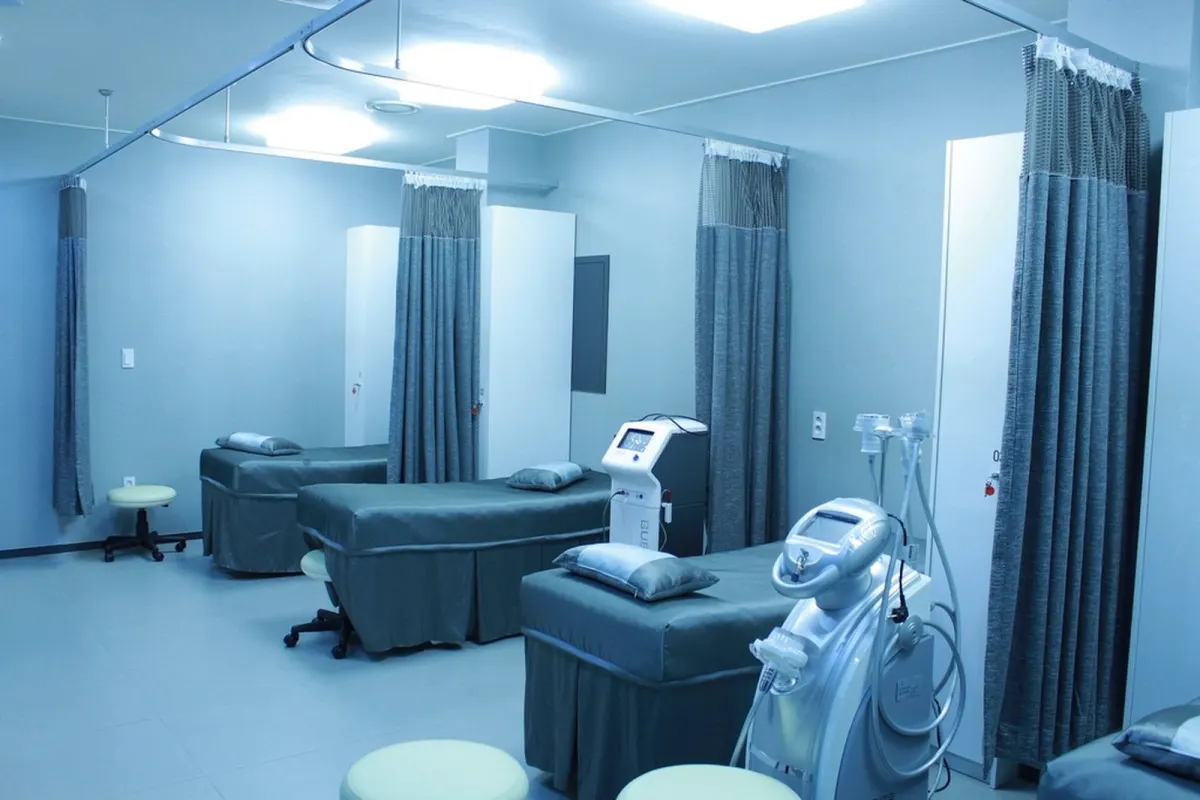
Bali’s 2025 health profile can be read through two different measures: population health and health-service capacity. The province’s life expectancy was 75.46 years, while its referral hospitals had reported capacity of 8,968 beds, equivalent to 2.04 beds per 1,000 residents, according to Bali’s provincial government, 2025.
What does Bali’s life expectancy measure?
Life expectancy is an estimate of the average length of life under the mortality conditions measured for the population. Bali’s figure reached 75.46 years in 2025, up from 75.10 years in 2024, according to the Bali provincial government’s summary of official statistics, 2025.
The measure describes population health at a broad level; it is not the age every resident will reach and does not describe the quality or availability of care for each individual.
How much referral-hospital capacity does Bali report?
Bali reported 8,968 beds in referral hospitals in 2025. The province’s government performance report gives this as 2.04 beds per 1,000 residents, based on aggregated provincial data from the health and population authorities, Bali provincial government, 2025.
The bed figure counts capacity, not the number of patients treated, occupied beds, doctors, nurses or emergency-treatment times. Those are separate indicators of health-system performance.
Why should the two numbers be read together?
Life expectancy shows a long-term outcome for the population, while hospital-bed capacity describes one part of the system intended to provide treatment. Neither number alone captures primary care, prevention, geographic access, waiting times or differences between Bali’s regencies.
The Ministry of Health says its 2025 national health profile combines routine data from the ministry, regional governments, health facilities and partner institutions, including the Central Statistics Agency and BPJS, Ministry of Health, 2025. That distinction matters because health indicators come from different administrative and statistical systems.
What is the practical reading of Bali’s 2025 data?
The two figures show that Bali’s health picture has both an outcome measure and a capacity measure: residents’ estimated life expectancy was 75.46 years, while referral-hospital capacity was reported at 2.04 beds per 1,000 residents. They should not be treated as interchangeable or as a complete scorecard for healthcare.
Sources
Read next
More on this story

Explainers & Data
Bali Assessment Places Buleleng First and Badung Last
Bali’s 2026 assessment put the average score across its nine regencies and municipalities at 77,27. Buleleng ranked highest and Badung lowest.
Most read in Explainers & Data

Related