

Indonesia’s 11 active volcanoes in 2026: why eruptions overlapped
Indonesian authorities say eruptions at multiple volcanoes in 2026, including six that erupted on the same day, reflect separate magma systems and overlapping activity cycles rather than a single shared trigger or a specific new threat to…
By Mukmin John
Editor: Mursyid Sonsang
· Event date: · 4 min read
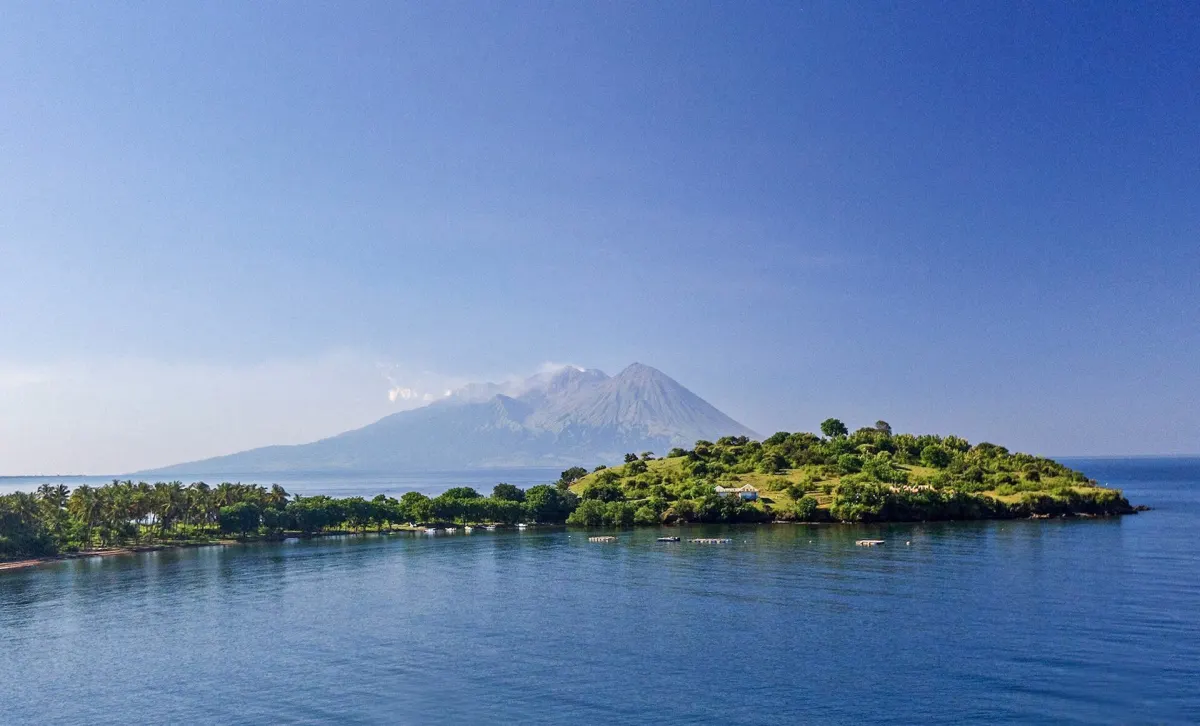
Labuan Bajo — Indonesia’s volcanology agency recorded increased activity at 11 active volcanoes during 2026, including six that erupted on the same day at the end of August, but experts say the events were not triggered by a single shared geological process.
The six volcanoes highlighted in national media coverage were Anak Krakatau in the Sunda Strait, Semeru in East Java, Ili Lewotolok and Lewotobi Laki-laki in East Nusa Tenggara, Ibu in North Maluku and Sinabung in North Sumatra.
According to statements from the Centre for Volcanology and Geological Hazard Mitigation (PVMBG) at Badan Geologi under the Energy and Mineral Resources Ministry, the simultaneous eruptions reflect separate volcanic systems whose individual activity cycles happened to overlap in time.
What the status data show
Badan Geologi data cited by several Indonesian outlets in early September reported that 11 active volcanoes had erupted at least once during 2026 and were under close monitoring.
Five of those volcanoes were reported at Level III, or Siaga (Alert), and six at Level II, or Waspada (Caution), based on PVMBG’s four-step status system ranging from Normal to Siaga.
The Level III group included Anak Krakatau, Semeru, Lewotobi Laki-laki, Merapi and Sinabung, while Ili Lewotolok and Ibu were among the volcanoes listed at Level II.
Reported counts illustrate how differently each volcano behaved over the year.
- Anak Krakatau was cited with 243 recorded eruptions in 2026.
- Ibu was reported with 25,556 eruptions over the same period.
- Other monitored volcanoes, including Semeru, Lewotobi Laki-laki, Merapi, Sinabung, Dukono and Ili Lewotolok, also showed repeated activity, but with varying numbers of events.
Volcanologists caution that such tallies are not a direct ranking of danger.
A high number of recorded eruptions at one volcano does not automatically describe the size, reach or impact of each event, and comparable hazard assessments depend on factors such as eruption column height, ash distribution, seismicity and local exposure.
Why eruptions can coincide
PVMBG officials have repeatedly stressed that simultaneous eruptions are not evidence of a single trigger affecting every volcano.
Indonesia sits along the Pacific Ring of Fire and has around 127 active volcanoes, so the agency considers overlapping activity statistically plausible even when the systems are not physically linked.
PVMBG head Rita Susilawati has been quoted explaining that each volcano has its own magma reservoir and its own conduit system toward the surface, meaning the “kitchen” of each volcano operates separately.
She said the agency has found no evidence that one geological process was responsible for all of the eruptions reported on the same day at the end of August.
Academic experts have offered similar interpretations.
Indranova Suhendro, a lecturer at Gadjah Mada University’s Faculty of Geography, told Indonesian media that the apparent clustering of eruptions should be understood mainly as a matter of timing.
He noted that some volcanoes, such as Semeru and Anak Krakatau, erupt relatively frequently, while others can remain quieter for longer periods before their cycles bring them back into activity.
When those distinct cycles overlap, several volcanoes can appear active at once, even though their magma systems and eruption mechanisms differ.
Indranova pointed out that the six named volcanoes are spread across Sumatra, Java, the Sunda Strait, East Nusa Tenggara and North Maluku.
That geographic separation makes it highly unlikely that a single eruption would directly trigger another hundreds of kilometres away, especially when monitoring data do not show a simple causal chain.
He added that local factors such as nearby earthquakes can influence individual volcanoes, but such effects need to be demonstrated case by case rather than extrapolated to a national-scale explanation.
What this means for Bali
For residents and visitors in Bali, the distinction between national volcanic activity and local hazard status is crucial.
PVMBG’s alert levels, exclusion zones and recommendations are set separately for each volcano based on its own monitoring data and observed behaviour.
A report that several volcanoes across Indonesia are erupting, or that 11 are classified as active, does not by itself show that Bali’s volcanoes are being activated or that ash and other hazards will reach the island.
At the same time, the absence of Bali-specific information in national coverage is not a guarantee of safety.
Volcanic hazards can change quickly, so people near any monitored volcano should rely on current PVMBG bulletins, local government instructions and aviation advisories rather than social-media interpretations of coinciding eruptions.
In practical terms, each volcano’s Level II or Level III designation applies to that volcano and its surrounding hazard area.
It should not automatically be treated as a warning for every island or province, but it is a reminder that Indonesia’s complex volcanic landscape requires ongoing local monitoring even when eruptions appear to coincide.
Sources
Next story
Alleged fake police scam targets Lombok hotel and travel businesses
Police in West Nusa Tenggara say a 29-year-old man allegedly posed as police officials on WhatsApp to seek money from hotel, travel and other tourism…
Related
