
Museum Bali shuts August 10 for roof works on three heritage galleries
Bali’s main provincial museum in central Denpasar has closed its exhibition spaces from Monday, 10 August 2026, for roof renovations on three historic gallery buildings.
By Mukmin John
Editor: Mursyid Sonsang
· Event date: · 4 min read Updated
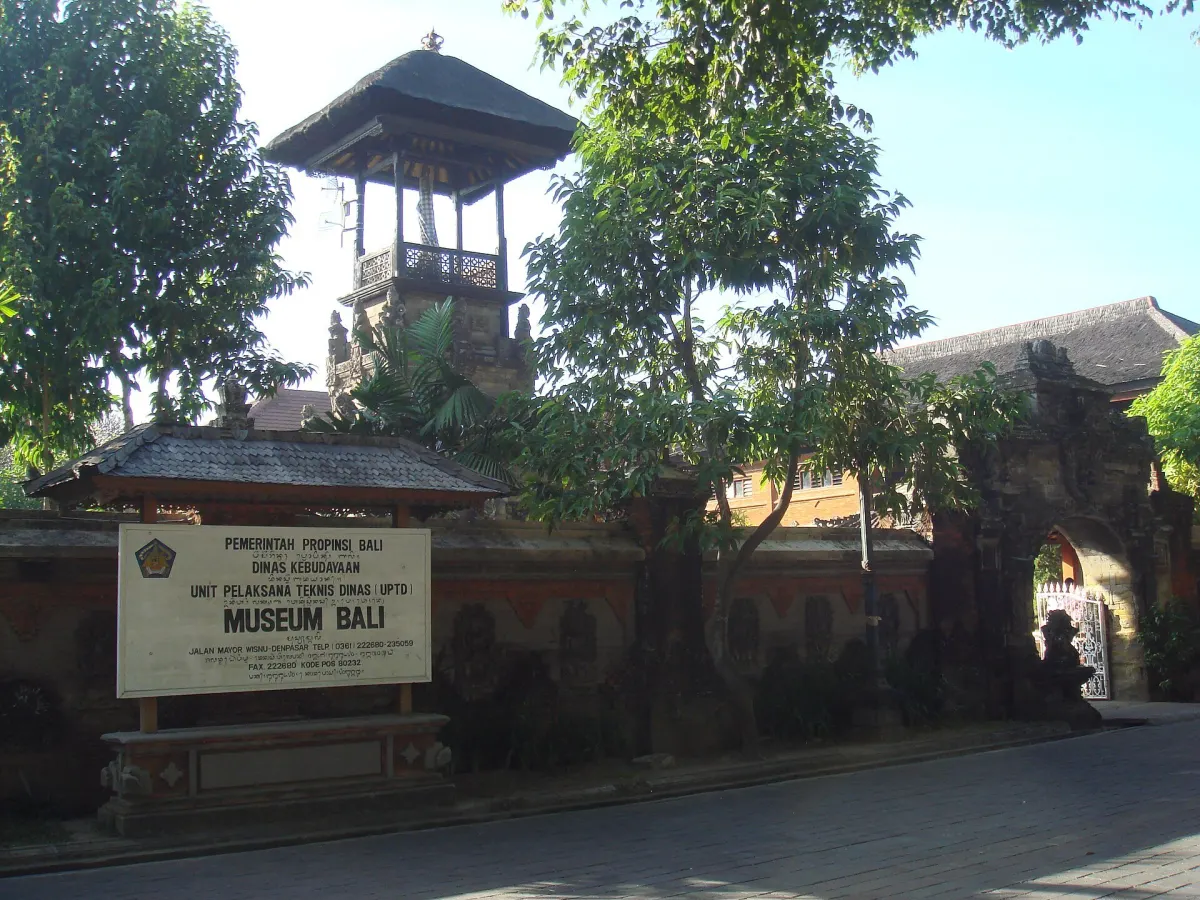
Denpasar — Bali’s main provincial museum in central Denpasar has closed its exhibition spaces to visitors from Monday, 10 August 2026, for renovation work on three historic gallery buildings, with the shutdown expected to continue until the end of November, according to the museum’s head and local tourism guides.
The museum, commonly known as Museum Bali, stands on Jalan Mayor Wisnu in the city centre and is part of the technical implementation unit of the Bali provincial Culture Office, according to official information from Bali’s cultural authorities.
Museum head Ida Ayu Made Sutariani said three exhibition pavilions — the Buleleng, Tabanan and Karangasem buildings — are undergoing renovation during the closure period.
According to her, the work will focus on replacing the roofs of the three structures with new ijuk, a traditional palm-fibre roofing material used in Balinese architecture.
Local coverage of the renovation reports that visitor recreation and touring services have been suspended for the duration of the works, but administrative services, the museum library and research facilities remain open to the public.
Historic buildings and collections
Within the museum complex, three main themed gallery buildings — Buleleng, Tabanan and Karangasem — house significant parts of the institution’s collection.
Tourism and culture guides published by Denpasar authorities describe the Buleleng building as presenting collections linked to traditional textiles and forms of currency, particularly the history and use of kepeng coins (pis bolong) in Bali.
The Karangasem building is described as displaying objects associated with cili, a representation of the rice goddess Dewi Sri and a symbol of fertility and prosperity in Balinese culture, while the Tabanan building focuses on keris and other sacred heirloom objects arranged chronologically, according to city tourism materials.
Local reporting on the museum notes that its broader collection covers categories such as ancient manuscripts, numismatics and fine art, and that not all objects are on display at one time, with non-exhibited items kept in conservation storage.
Guides to the museum’s permanent exhibition further explain that another gallery known as the East Building presents prehistoric material, religious ritual objects, agricultural implements and colonial-era items. Current renovation reports, however, focus on the Buleleng, Tabanan and Karangasem buildings and do not specify whether the East Building remains accessible to visitors during the construction period.
Budget, heritage status and visitor alternatives
Local coverage of the renovation cites a budget allocation of around Rp5 billion for the current works.
The three galleries under renovation are described in tourism reports as suspected cultural-heritage objects, meaning renovation must maintain their traditional materials and architectural character.
Sutariani has been quoted as saying that replacement materials and building dimensions must remain the same as the original structures to comply with heritage-related requirements.
She also indicated that the museum plans to introduce a new exhibition theme when the galleries reopen, although a precise reopening date beyond the projected “end of November” timeframe has not yet been announced.
Digital labels and QR-code based information are among the interpretive tools used at the museum, with some exhibits accompanied by short explainer videos. Current renovation coverage does not clarify whether these digital materials will be made available online during the closure.
For visitors seeking related prehistoric remains, local reporting notes that the original skeleton and sarcophagus associated with the Gilimanuk archaeological site are housed at Museum Manusia Purba Gilimanuk in Jembrana. The examples shown in the Denpasar museum are replicas used for educational display.
Background on Museum Bali
Official and tourism histories state that the idea for Museum Bali emerged in the early 20th century, with permanent exhibitions later established in the Tabanan, Karangasem and Buleleng buildings to present prehistoric, historical and ethnographic material, including fine art.
The museum complex, located just east of Puputan Badung Square and south of Pura Jagatnatha, presents material spanning Bali’s prehistoric era, ancient and later history, religious practice, agriculture, colonial-period objects, currency and traditional arts, according to Denpasar tourism publications.
Pre-renovation visitor information from city tourism and travel guides indicates that the museum typically charged admission fees differentiated for domestic and foreign visitors, as well as for university and school students, and that exhibition themes were periodically refreshed while non-displayed objects were conserved to prevent deterioration.
Sources
Read next
More on this story
Bali News
Bali forecast combines rain potential with haze and drought warnings
Bali’s weather outlook for 4–6 November combines light to moderate rain potential across the island with haze, fog and continued meteorological drough…
Most read in Culture & Ceremony
Today’s top story

Related