
Seasonal Plastic Tides Confirmed on Badung’s West Coast Beaches
Seasonal tides of plastic waste regularly hit Badung’s western beaches, with local authorities and community groups mounting large-scale clean-up operations.
By Pandi Muktar
Editor: Mursyid Sonsang
· Event date: · 5 min read
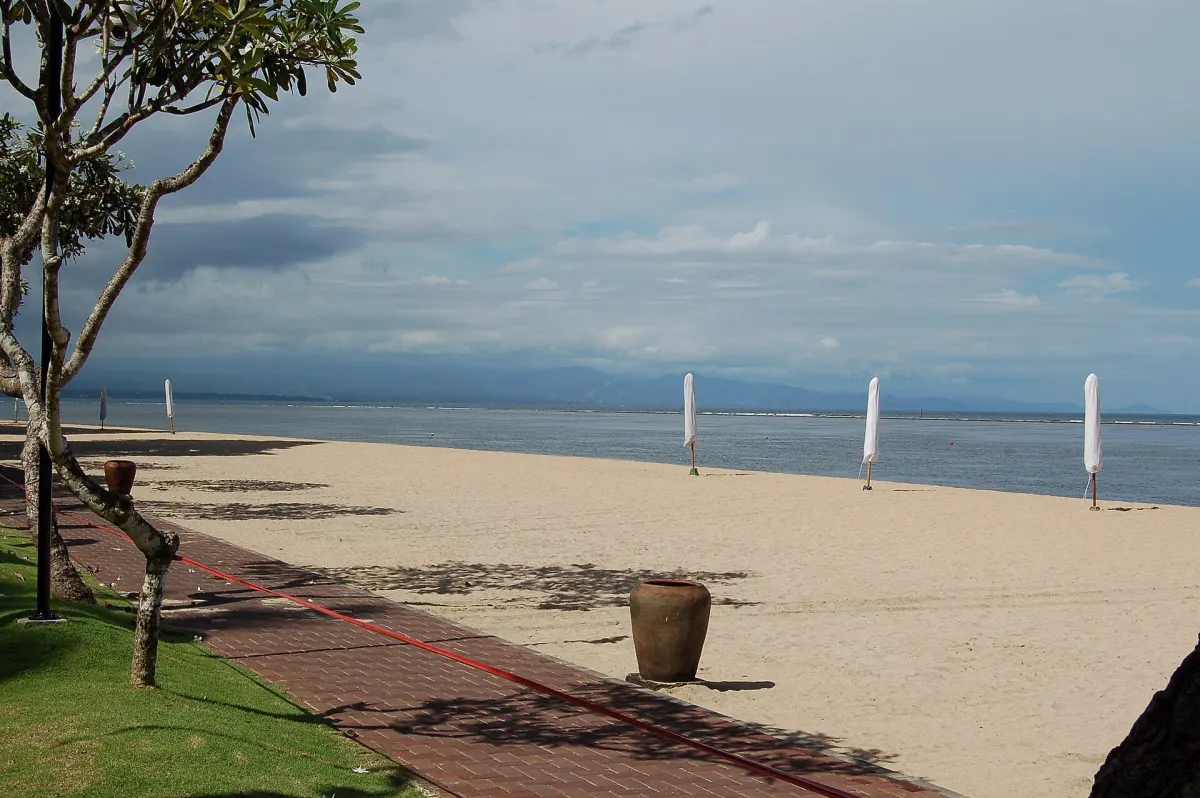
Denpasar — Bali’s western beaches in Badung Regency face a recurring seasonal influx of marine debris and plastic waste during the rainy season, prompting intensified coastal clean-up operations by local authorities and community partners. According to recent reports and official statements, thousands of tonnes of trash have been removed from the regency’s beaches since late 2025 and early 2026, but detailed long-term measurements and disposal data remain limited.
An August 18, 2026 article on Travel And Tour World describes what it calls the “Bali marine plastic pressure 2026” phenomenon on western Bali beaches and highlights a newly inaugurated task force at Kuta Beach mandated to clear newly arrived marine debris within one hour of deposition. The report states that the Badung Environment and Sanitation Agency (Dinas Lingkungan Hidup dan Kebersihan, DLHK) has deployed heavy machinery and transport trucks along tourist beaches in the early morning to restore the coastline before visitors arrive.
Earlier in the year, government and community clean-up efforts were documented along the Badung coast. A February 2026 article on the provincial tourism portal Love Bali reports a large-scale coastal clean-up at Kelan Beach, Kedonganan and Jimbaran in Badung on 6 February 2026, involving central and regional governments and local communities to safeguard Bali’s tourism image. The same outlet notes that these efforts are framed as part of wider measures to address beach cleanliness in key tourism areas.
Independent local media have also reported significant volumes of seasonal marine debris along the west coast. Coverage by The Bali Sun in early 2026 notes that every year during the height of the rainy season, tides of plastic trash and ocean debris wash up along Badung’s shores, with Jimbaran, Kuta and Legian identified as some of the worst-affected tourist beaches.
According to these reports, the Badung Environment and Sanitation Agency has deployed around 300 staff on standby during the season, supplemented by army and police personnel and school students for major clean-up operations. Local officials have cited figures of more than 3,100–3,200 tonnes of waste cleared from Badung’s coastline since the start of the monsoon period, and media coverage describes teams working from the early hours so that beaches are generally clear by mid-morning.
Seasonal waste and tourism pressures
Reports from local outlets and provincial channels consistently link the seasonal influx of plastic and other debris to the rainy season and monsoon-driven ocean currents. Officials quoted in these articles describe a pattern in which tides of waste, consisting largely of plastic and driftwood, periodically affect a stretch of west coast from Cemagi to Pecatu, including popular resorts such as Kuta, Legian, Seminyak, Jimbaran and Kedonganan.
These conditions are presented as an environmental and reputational risk to Bali’s tourism sector. Coverage emphasises that authorities aim to maintain the visual cleanliness of beaches for international and domestic visitors, with clean-up teams clearing overnight accumulations and additional community campaigns involving residents, students and volunteers.
Separately, OceanHero, an organisation focused on ocean plastic, reports volunteer clean-ups in August 2026 at Jerman Beach and Double Six Beach in Badung, where small groups of volunteers collected trash, including around 30 kilograms in one hour at Double Six. These activities illustrate ongoing civil-society engagement with the waste issue, although they represent a tiny fraction of the volumes cited by government and local media for the wider coastline.
Remaining gaps in verification
While multiple independent sources concur that seasonal tides of plastic waste affect Badung’s western beaches and that authorities have mounted large-scale clean-up responses, several aspects remain weakly documented. Available reports provide aggregate figures for tonnes of waste cleared over a season and broad descriptions of affected beaches, but they rarely specify sampling methods, spatial coverage, or the proportion of organic versus plastic material.
Similarly, detailed information on final disposal pathways for collected beach waste is limited. Some coverage references the planned closure of the Suwung Landfill in Denpasar and broader changes in Bali’s waste management system, but there is little publicly accessible documentation in these reports on how beach-cleaned material is sorted, recycled, or landfilled after collection.
Tourism-related pressures are also discussed largely in qualitative terms. Outlets and officials link the urgency of clean-ups to Bali’s status as a major global destination and growing visitor numbers, yet they do not consistently provide quantified tourism data alongside waste metrics that would allow robust analysis of causation.
Taken together, the available sources confirm that seasonal marine-plastic pressure on Badung’s western beaches is real and that government agencies and community partners are conducting regular clean-up operations along key tourist shorelines. However, the precise scale, long-term trends, and environmental outcomes of these efforts remain only partially quantified in publicly accessible reporting.
Sources
- Travel And Tour World – "Bali's Western Beaches Face Seasonal Marine Plastic Pressure as Badung Steps Up Coastal Clean-Up for Booming Tourism in 2026"
- Love Bali (Bali provincial tourism portal) – "Safeguarding Bali's Tourism Image, Government and Communities Join Hands to Clean the Coastline"
- The Bali Sun – coverage of seasonal marine waste and clean-up operations on Badung beaches in early 2026
- OceanHero – "News & Updates on Ocean Plastic Cleanup"
Next story
BTN and Simbar Segara plant 10,000 mangroves in Pemogan, Denpasar
BTN and Simbar Segara planted 10,000 mangrove seedlings in the Simbar Segara conservation area in Pemogan, Denpasar, on 7 August 2026, as part of BTN’…
Related