
Bali Governor Koster Sets Environmental Conditions for Housing Growth
Bali Governor Wayan Koster said housing plans must protect farmland, water sources, ecological areas and coastal zones while accounting for major disaster risks.
By Pandi Muktar
Editor: Mursyid Sonsang
· 2 min read
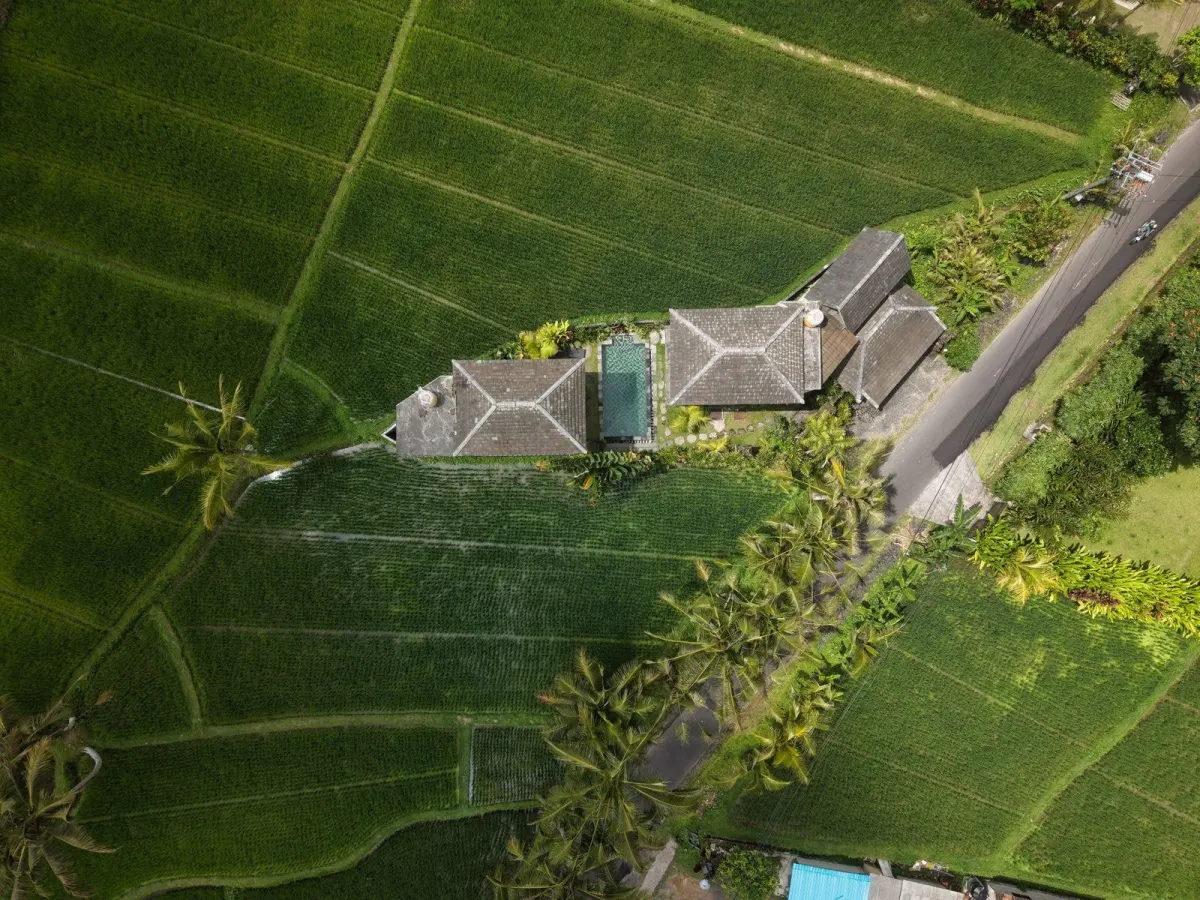
Denpasar — Bali Governor Wayan Koster said on Oct. 5 that efforts to meet the island’s housing needs must protect agricultural land, water sources, protected areas, ecological spaces and coastal zones. He also said flood, landslide, earthquake and tsunami risks must be included in housing and settlement planning.
The remarks were reported as Bali faces limited available space while demand for housing continues to grow alongside population, mobility, economic activity and tourism. Koster said planning must look beyond the immediate demand for homes and account for housing needs over the next 20, 50 and 100 years.
Why Bali’s housing policy matters to foreign residents and visitors
For foreign residents, the emphasis on spatial planning means that housing and property development is being framed not only as a construction or investment issue, but also as a question of environmental capacity and disaster safety. The reported policy position does not announce a new visa rule or a general prohibition on foreigners renting or owning property. It describes the conditions that should guide where homes and settlements are planned and built.
In practice, projects located near productive rice fields, protected areas, water sources, ecological spaces or the coast may face greater scrutiny under planning decisions that consider land-use rules and environmental capacity. The same applies to sites exposed to flooding, landslides, earthquakes or tsunamis. Koster said homes and settlements should be placed in areas that are safe and suited to the environment’s capacity, rather than pursuing housing numbers alone.
The account also links housing planning to climate resilience. It says settlement decisions should increasingly rely on risk information, environmental conditions, spatial planning and community preparedness. The stated aim is to meet Bali’s housing needs without sacrificing productive agricultural land, which the report describes as important to food sovereignty and the island’s ecological balance.
Sources
Read next
More on this story

Business & Investment
Why Bali’s investment is concentrated in tourism but not limited to it
Official figures show Bali’s investment remains tourism-led, while property-related development, services and transportation account for sizeable acti…
Latest in Business & Investment

Today’s top story

Related