

Desa Adat Mengwitani Holds Five-Year Mass Karya Yadnya With 102 Nyekah Sawa
Desa Adat Mengwitani in Badung held a scheduled mass Karya Yadnya that combined funerary and life-cycle rites, including nyekah for 102 sawa, under customary rules designed to strengthen religious observance and mutual assistance among…
By Mukmin John
Editor: Mursyid Sonsang
· Event date: · 4 min read
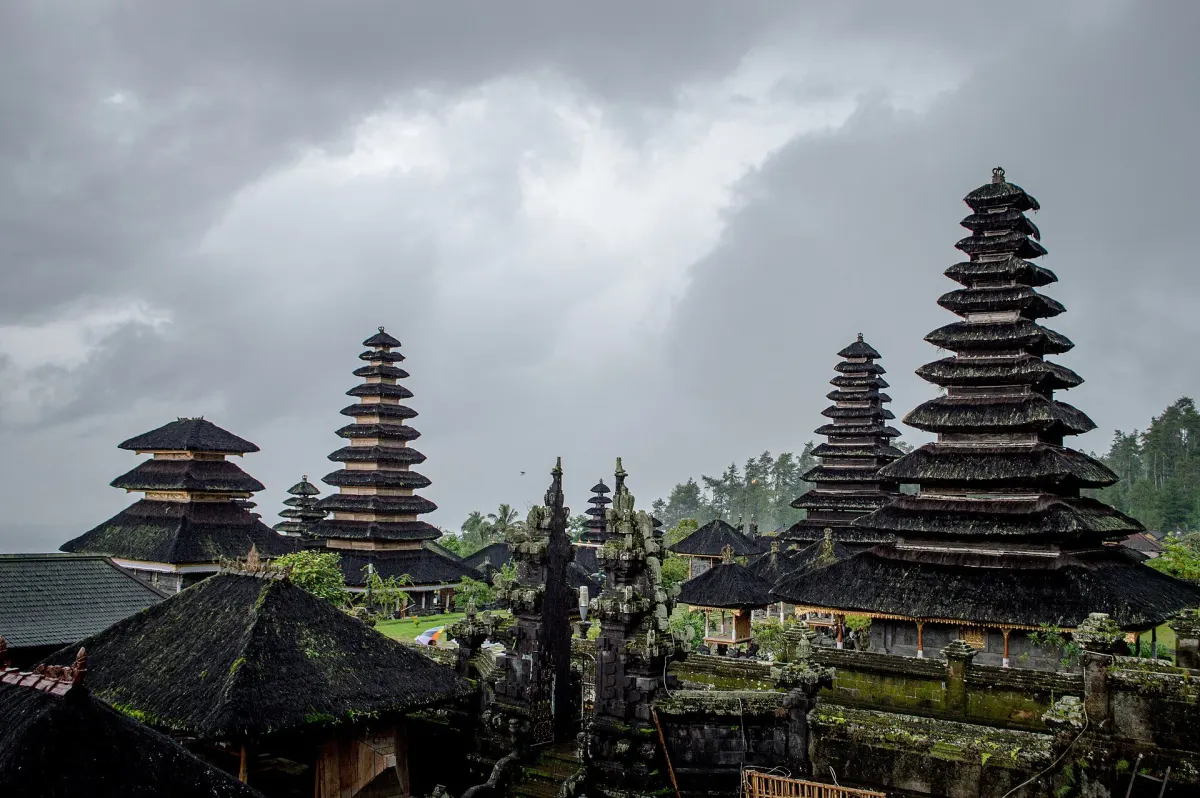
Mangupura — Desa Adat Mengwitani in Badung, Bali, has held a mass Karya Yadnya ceremony that brought together funerary and life-cycle rites, including nyekah for 102 sawa, under customary rules that schedule the event every five years according to local officials.
The series of rituals was centred in the jaba sisi, or outer courtyard, of Pura Dalem Brerong in Desa Adat Mengwitani, Mengwi sub-district, Badung. According to local media reporting, the main sequence of ceremonies took place on Tuesday, 1 September 2026, following preparations that began on 21 August, with the peak of the observance planned for 3 September 2026.
Village customary leader Bendesa Adat Mengwitani I Putu Wendra said the mass Karya Yadnya is mandated in the awig-awig, or customary regulations, of the village and is held regularly every five years, with a broader cycle every 30 years. He described the programme as both an act of religious devotion and a way to strengthen gotong royong, the tradition of mutual assistance among residents.
A combined programme of rites
The Karya Yadnya in Mengwitani integrated several types of Hindu Balinese ceremonies into one organised programme. The funerary and post-funerary rites included Karya Sawa, Atma Wedana, penglungahan and nyekah.
Local reporting from Badung detailed that this year’s Karya Sawa and Atma Wedana began with an ngaben ceremony involving two sawa, followed by penglungahan for 59 participants and nyekah for 102 sawa. The figures indicate substantial participation from village households, though officials did not publicly provide a consolidated count of families or clarify overlaps between participants in different rites.
The programme also encompassed Manusa Yadnya, or human life-cycle ceremonies. These included Mapetik, Menek Kelih, Metatah (also known as mesangih or tooth-filing) and Sanan Empeg.
According to the same report, participation in the Manusa Yadnya rites was recorded as:
- Two participants in Sanan Empeg
- 15 participants in Menek Kelih
- 57 participants in Metatah (mesangih)
- 76 participants in Mapetik
Each rite carries its own religious and customary meaning. Sanan Empeg was described by local sources as a ceremony for an individual whose older and younger siblings have died, reflecting how ritual obligations are linked to specific family circumstances.
Customary rules and collective work
Awig-awig documents for Desa Adat Mengwitani outline the role of Karya Yadnya in maintaining Hindu religious practice and Balinese cultural continuity. Provisions in the village’s customary code empower prajuru desa, or village officials, to organise major ceremonies and the supporting committees required for their implementation.
By establishing a five-year schedule, the awig-awig create a framework that goes beyond ceremonies held by individual families. The mass Karya Yadnya allows several forms of religious observance to be prepared and carried out collectively, enabling households to share tasks and resources rather than organising separate rituals at different times.
Local coverage of the Mengwitani ceremony emphasised the strong sense of solidarity among residents as they worked together before and during the rituals. Bendesa Adat I Putu Wendra also noted cooperation between the customary village and the regional government in supporting the event, reflecting wider policy in Badung to assist traditional and religious activities. Specific forms or amounts of support for the Mengwitani Karya Yadnya were not publicly detailed.
Why the ceremony matters
The 2026 mass Karya Yadnya in Mengwitani illustrates how a customary village uses shared institutions to organise complex religious observances. Its significance lies in the combination of Pitra Yadnya (rites for the deceased) and Manusa Yadnya (rites across the human life cycle), and in the collective system that schedules, finances and carries out them.
For residents, participating in a mass ceremony can consolidate ritual obligations that might otherwise fall on individual families at scattered times. The event creates a recurring opportunity to reaffirm customary and religious values, strengthen social ties and adapt long-standing traditions to current economic and social conditions.
While detailed data on household participation and finances were not disclosed, the scale of the 2026 programme — encompassing ngaben, penglungahan, nyekah and multiple Manusa Yadnya rites — underlines the continuing importance of Karya Yadnya as a focal point of communal life in Desa Adat Mengwitani.
Sources
Next story
Klungkung Opens 2026 Arts Workshop at Pemedal Agung
The Klungkung Culture Office launched a 2026 workshop and performance programme at Pemedal Agung, bringing together students from three schools for tr…